When to Add Another RV: Fleet Utilization Math
Add another RV when your own numbers say so, not because summer felt busy. Compare booked nights per unit and the demand you turned away against the break-even nights a new unit needs, and buy only when the evidence clears it comfortably.
By the RV Shop Desk team · · 7 min read
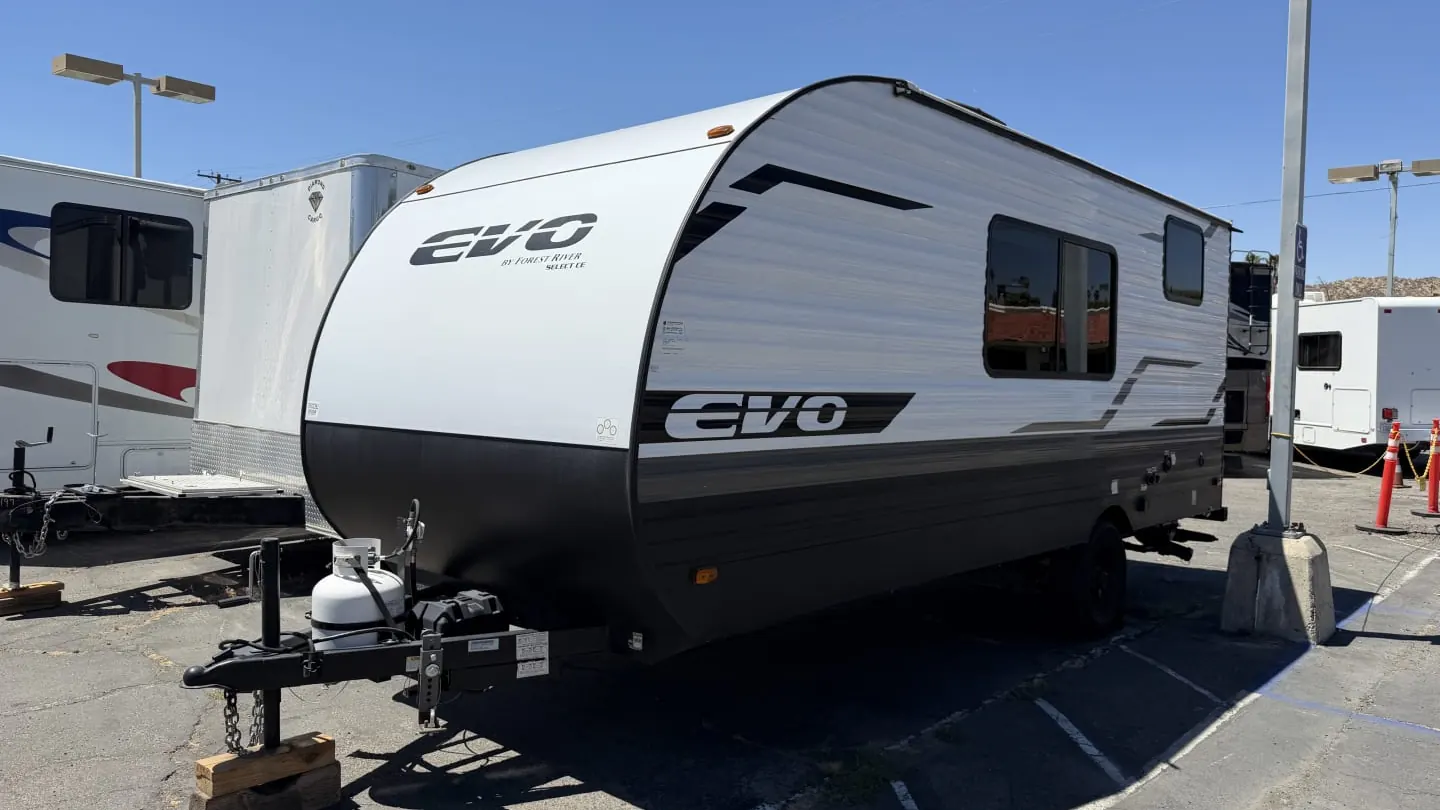
Every busy summer ends with the same thought. If I had one more unit, I could have booked all those weekends I turned away. Sometimes that is true. Other times the extra unit would have booked the same eight peak weekends and then sat from September to May. The whole time it would cost you insurance, storage and a loan payment. The numbers tell you which case you are in, and most of them are already in your booking calendar and your books.
This guide walks through the math one step at a time, with example numbers clearly labeled as examples. Plug in your own.
Start with what each unit actually does
For each unit, pull last season's figures.
- Available nights: nights the unit could have been rented. Exclude planned maintenance and the off-season if you shut down.
- Booked nights: nights with a paying renter.
- Revenue: nightly rate plus fees, mileage and add-ons, minus refunds and discounts.
- Direct costs per trip: cleaning labor, supplies, dump fees, marketplace commissions, card fees.
- Fixed costs per year: loan payment, insurance, registration, storage, planned maintenance, depreciation as your accountant calculates it.
If your books do not already split these out per unit, fix that first. The guide to bookkeeping for profit per unit shows how to set it up. Without it, you are guessing.
Utilization, and why the season matters
Utilization is booked nights divided by available nights. It is simple, but it is easy to fool yourself with it. A unit booked 90 nights out of 365 looks weak at about 25 percent. Now say those 90 nights fell in a 120-night peak season. That is 75 percent in the window that matters, and the unit is probably turning away business.
So work out two numbers per unit.
- Peak utilization: booked nights divided by available nights in your busiest months.
- Shoulder and off-season utilization: the same for the rest of the year.
High peak and low shoulder is the normal pattern. A new unit will mostly add peak capacity. So the real questions are how much peak demand you are missing, and whether a new unit can earn enough in peak to carry itself all year.
Count the demand you turned away
Turned-away demand is the strongest signal for adding a unit, and many owners never record it. Start a simple log today. Every time an inquiry comes in that you cannot fill, write down these details.
- Requested dates and number of nights
- Unit type or size requested
- Why you said no (all booked, wrong class, too short, too far out)
At the end of the season, filter to inquiries you lost only because every suitable unit was booked. Those are nights a new unit could have captured. Be honest about duplicates. The same family asking three times is one lost booking. Also, some of those people would not have booked even if you had a unit, so discount the total. For planning, some owners count only half of logged lost nights.
Missed calls count too. If you are not answering during busy hours, you are turning away demand without knowing it. Texting back missed calls captures some of it and makes the log more accurate.
Find your break-even nights
This is the number that answers the question. For a new unit, estimate two figures.
- Annual fixed cost of owning it.
- Net profit per booked night, which is average revenue per night minus direct costs per night.
Break-even booked nights equals annual fixed cost divided by net profit per booked night.
Here is an example. Say a used Class C costs an estimated $9,000 a year to own once you add up the loan payment, insurance, registration, storage and planned maintenance. Say it rents at an average of $200 a night, and cleaning, supplies, fees and wear come to about $50 per booked night. Net profit per booked night is then $150. Break-even is $9,000 divided by $150, or 60 booked nights a year.
Now compare that to your evidence. Say your current Class Cs averaged 95 booked nights, and your turned-away log shows 70 or more peak nights you could not fill. Then a new unit with a 60-night break-even looks reasonable. If your current units averaged 55 booked nights, a new one would likely lose money. The better move is to fill what you have.
| Example scenario | Existing unit booked nights | Lost nights logged | Break-even | Signal |
|---|---|---|---|---|
| A | 95 | 70 | 60 | Add a unit |
| B | 75 | 20 | 60 | Adjust pricing first |
| C | 55 | 10 | 60 | Fill existing units |
These are example figures only. Your costs, rates and season will differ, and your accountant can help you estimate depreciation and tax effects.
Try pricing before buying
If your peak weekends sell out months ahead, you may be underpriced, not short on units. Before you buy, try raising peak rates and adding minimum nights on holidays. The guide to pricing by season and add-ons covers how.
If higher prices still sell out, that is strong evidence of real demand. If bookings drop off, you found your price ceiling without buying another unit. In the same way, tightening calendar buffers and minimum nights can open up nights you were losing to gaps between trips.
Check that your operations can handle it
A unit is not just a money decision. Before you buy, ask these questions.
- Turnovers: can your current crew handle more turnovers on peak Sundays and Mondays? If not, factor in hiring help and its cost.
- Space: do you have parking and storage for another unit, in season and off?
- Maintenance: can you keep one more unit on schedule, or does it mean more repairs pushed to the last minute?
- Cash reserve: after the down payment, do you still have enough to cover a major repair and the winter months?
- Insurance: what will your insurer charge to add the unit, and are there fleet size thresholds that change your policy? Ask before you buy.
Which unit to add
The turned-away log tells you this too. If most lost inquiries asked for a Class C that sleeps six, add a Class C that sleeps six. Adding a different class because it seems interesting means starting with zero booking history for it. The guide on choosing RVs class by class covers the tradeoffs when you do want to broaden the fleet.
Tip: Buy your next unit in fall or winter, not in May. Prices and selection are often better. You also get months to inspect it, fix what needs fixing, photograph it and get it on your website before the first spring inquiry.
Mistakes that make the math lie
The formula is simple. The inputs are where owners fool themselves.
- Leaving out your own labor. If you do every turnover yourself, your per-night cost looks lower than it will once you pay someone. Price your time at what a hire would cost.
- Using the rack rate instead of the real average. Discounts, marketplace commissions and refunds pull the true nightly figure down. Use what actually landed in the bank.
- Forgetting the big-ticket repairs. Tires, batteries, roof work and appliance failures do not happen every year, but they happen. Spread an honest estimate across the years you will own the unit.
- Counting one great season as normal. Look at two seasons if you have them. A single strong year can be weather, an event nearby or luck.
- Assuming the new unit books like your best unit. A newly added unit has no reviews and no repeat renters. Plan for it to start near your average or below.
A step-by-step decision
- Pull last season's booked nights, revenue and costs per unit.
- Calculate peak and off-peak utilization per unit.
- Review the turned-away log, remove duplicates and discount it.
- Estimate the new unit's annual fixed cost and net profit per night.
- Calculate break-even booked nights.
- Compare against existing units and lost demand.
- Try pricing and calendar changes first if the signal is borderline.
- Check crew, space, maintenance capacity, cash reserve and insurance.
- Talk to your accountant about financing and tax timing.
- Buy in the off-season and prep it before spring.
Having the numbers ready
All of this is much easier when bookings, turnovers and costs sit in one system. If you set up clean records when you first started the rental business, the second, fifth and tenth unit decisions get much simpler. RV Shop Desk for rental fleets keeps bookings, the calendar, turnovers and invoices together per unit. Accounting built into RV Shop Desk puts costs next to them, so booked nights and profit per unit are there when you need them.
Grow on evidence, not on a busy July
A busy July feels like proof. The decision should come from a full season of numbers instead. Look at booked nights per unit, logged lost demand, and a break-even that your evidence clears with room to spare. When it does, add the unit that already sells out, buy it in the off-season, and keep a reserve behind it. If you are building the case for a lender, fold this math into your RV rental business plan. Then use the off-season months to get the new unit ready for its first renter.
Questions owners ask
What is a good utilization rate for a rental RV?
There is no single right number, because it depends on your season length, pricing and costs. Instead, work out your break-even booked nights per unit from your own fixed costs and nightly profit. Then compare your real booked nights against that.
How do I know if I am turning away enough bookings to add a unit?
Log every inquiry you cannot fill, with the dates and unit type requested. If a good share of those fall on dates and in a class where every unit was booked, that is real demand you are missing.
Should I buy the same kind of RV I already have or a different class?
Look at which unit type books first and which inquiries you turn away. Adding more of what already sells out is usually safer than adding a new class with no booking history.
Should I finance or pay cash for another rental RV?
It depends on your cash reserve, rates and tax situation. Run the break-even math with the real payment included, keep a reserve for repairs and winter, and talk to your accountant before you decide.