Which RVs to Buy for a Rental Fleet, Class by Class
The RV you would pick for your own vacation is rarely the best rental. Buy the unit renters ask for, can run without calling you, and that holds up to weekly turnovers. For most new fleets that means a mid-size Class C or a delivered travel trailer.
By the RV Shop Desk team · · 6 min read
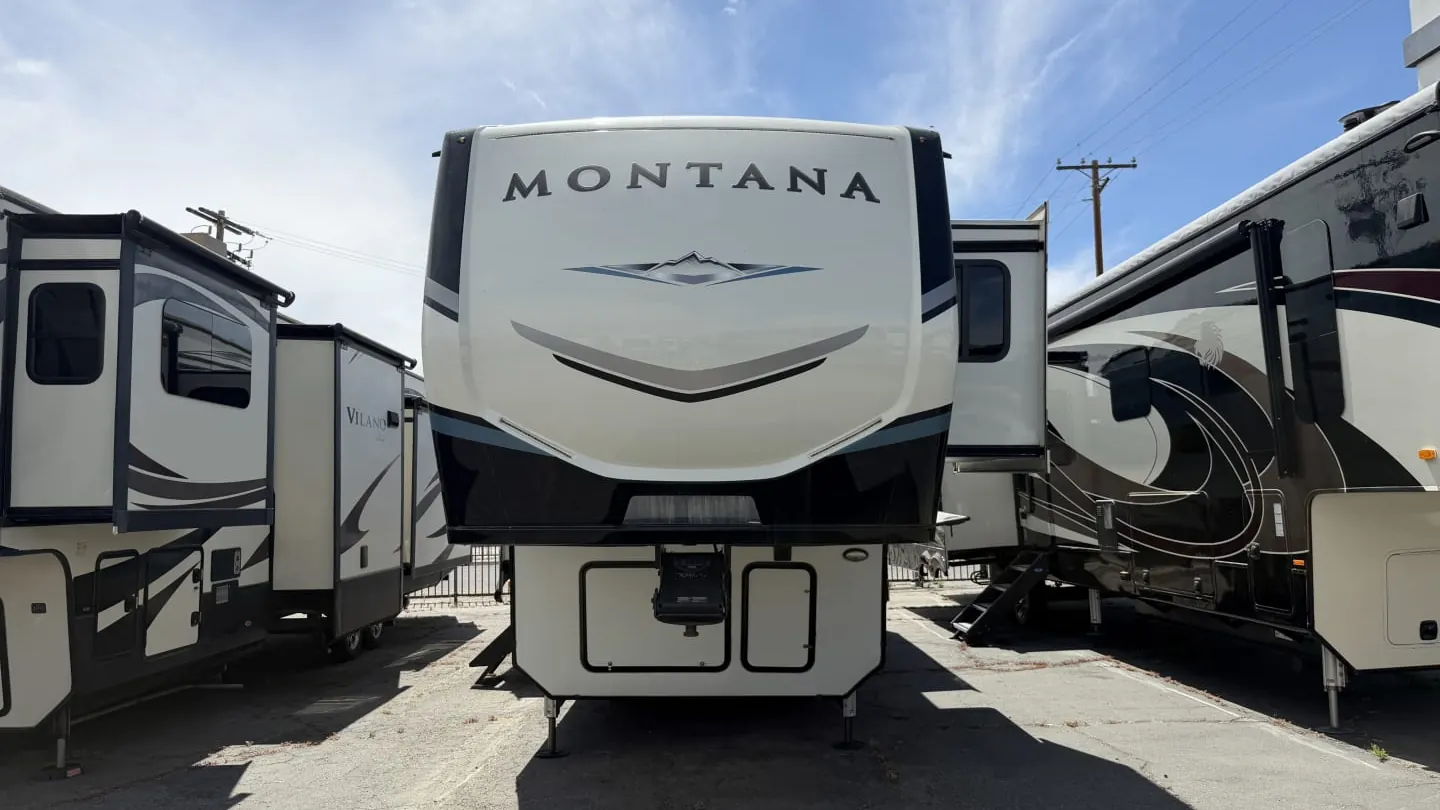
The best rental RV is not the nicest one on the dealer lot. It is the one renters ask for, can run without calling you, and that survives dozens of turnovers a year without a major repair. A unit that stays booked all summer and rarely sees the shop will out-earn a fancier one that sits two weeks waiting on a part.
Below is a class-by-class look at what works in a rental fleet, then the features and specs that matter in every class. If you are still sketching the business, read the first 90 days of an RV rental business first. The renter you target should decide the unit you buy.
Five questions to answer before looking at any unit
- Will renters drive it, tow it, or will you deliver it? This one choice narrows the field more than anything else.
- How many people are on a typical booking? Count real beds, not "sleeps 8 if two are small kids on the dinette."
- Where will it go? Mountain passes, tight state park loops and festival fields all favor shorter units.
- Who fixes it? If you or your tech know one chassis and one set of appliances well, sticking with them cuts repair time.
- What will your insurer cover? Some policies limit unit age, value or class. Check with your agent before you buy, using the questions in what to ask your insurer before your first renter.
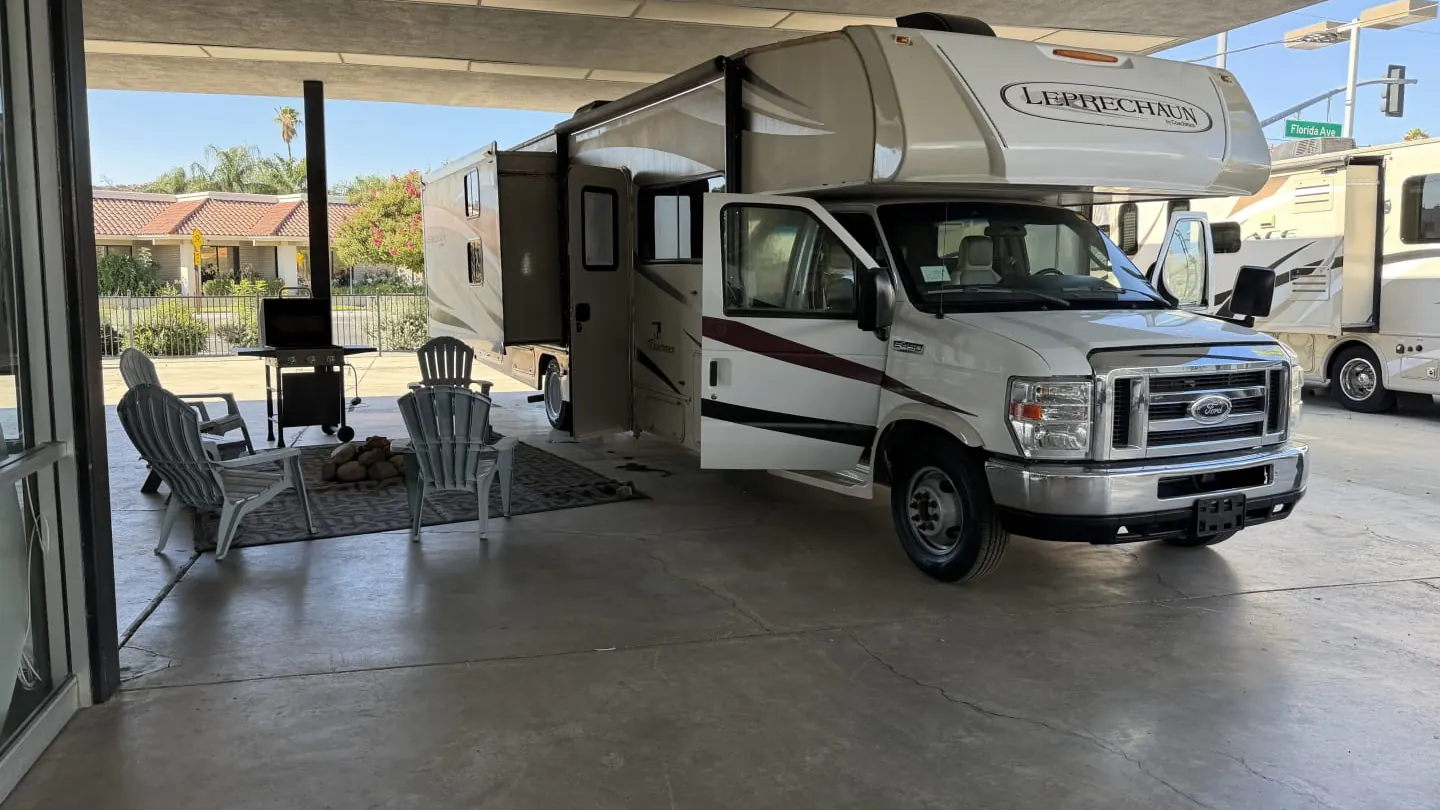
Class C motorhomes: the rental workhorse
A Class C sits on a van or truck chassis with the familiar bunk over the cab. In many rental fleets it is the core unit, and for good reason.
- Why renters want them: They drive like a big van, sleep a family and need no tow vehicle. First-time renters feel capable behind the wheel.
- Why operators like them: Chassis parts and service are easy to find. Most general repair shops will at least work on the engine and brakes.
- What to watch: The cab-over bunk is a classic leak spot, so check the front cap seal at every turnover. Longer units can feel top-heavy to nervous drivers. On a unit that sits between rentals, tire age matters more than tread.
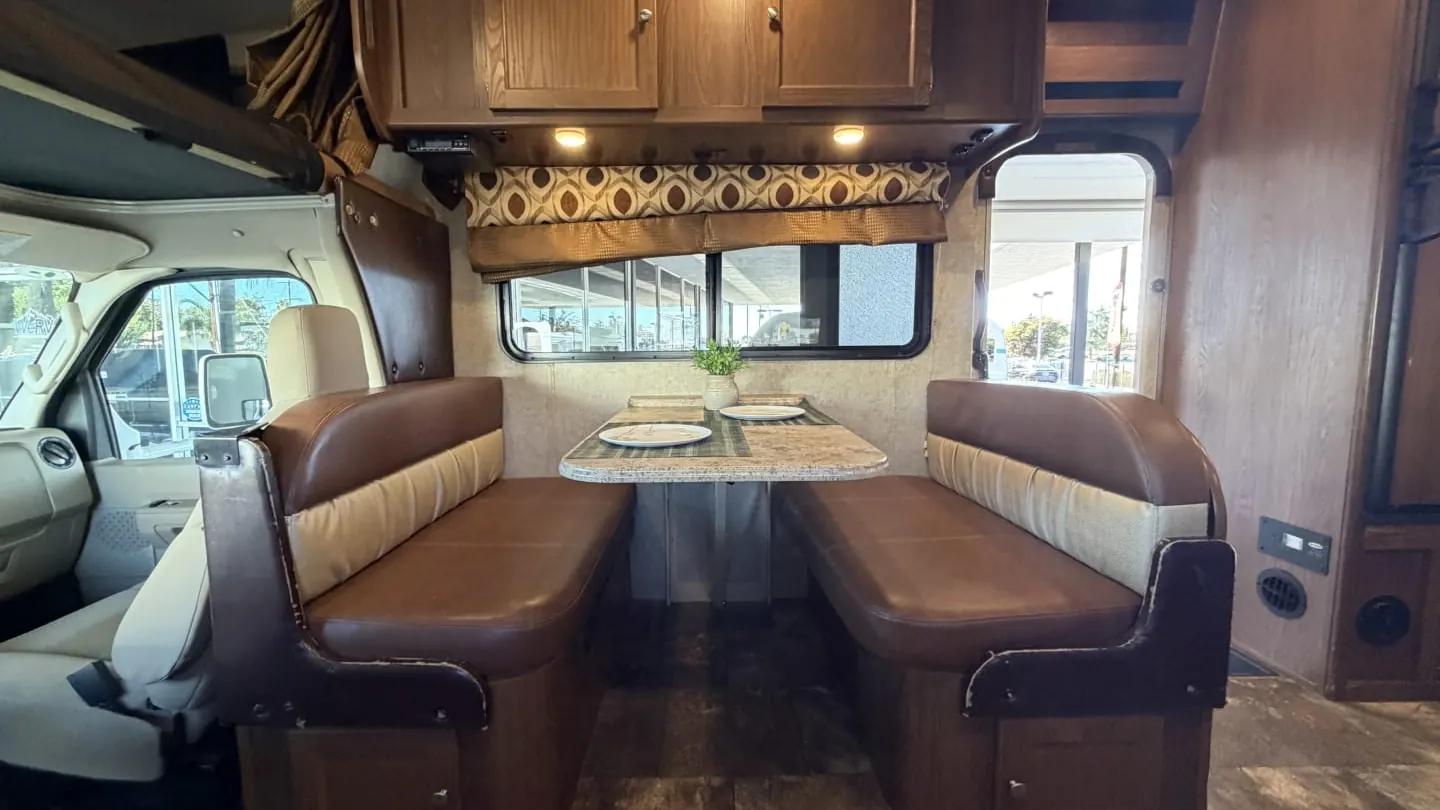
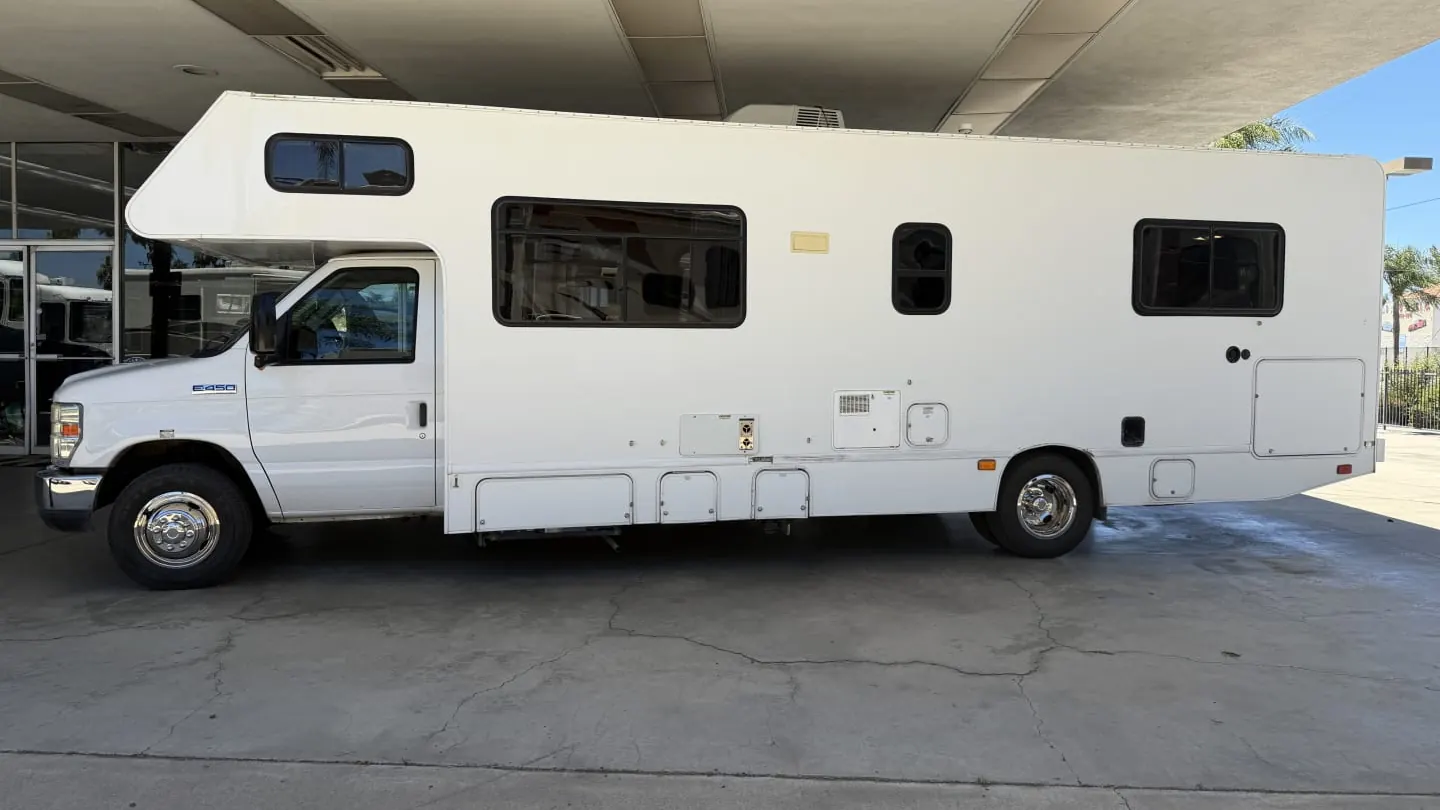
A mid-length Class C, roughly in the mid-20-foot range, makes a sensible first drivable unit. It is long enough for four people to be comfortable and short enough for most campsites.
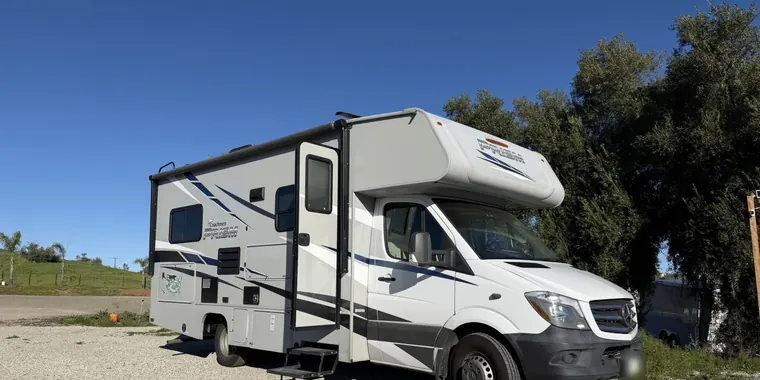
Class B camper vans: high demand, narrow audience
Camper vans appeal to couples, solo travelers and people who want to park in town. They are easy to drive and cheap to fuel next to bigger units.
- Pros: Easy handoffs, short orientations, and fewer renter mishaps with backing and clearance.
- Cons: A higher price per bed, tight bathrooms (or none), and complex electrical and water systems packed into small spaces. When something fails, getting to it can be slow.
- Fit: Strong in markets with scenic drives and city visitors. Weaker if most of your calls are families with kids.
Class A motorhomes: high rates, high stakes
A Class A earns the highest nightly rate in most fleets, and it looks great in photos. It also carries the most risk.
- Higher purchase price, insurance cost and repair bills.
- Many renters are uneasy driving a bus-sized vehicle. That shrinks your market and raises the odds of a scrape on day one.
- Air brakes on diesel pushers, leveling jacks and large generators need a renter who pays attention and a tech who knows them.
A Class A can fit a fleet with an experienced owner, a strong local repair shop and a market that asks for them. It is rarely the right first unit.
Travel trailers: the easiest entry point
Travel trailers cost less than any motorhome and have no engine or drivetrain to maintain. How you rent them matters.
Delivered and set up
You tow the trailer to a campground, level it, hook it up and pick it up at the end. The renter never tows your equipment. This is often the lowest-risk way into rentals. You get fewer towing accidents, simpler orientations and a natural delivery fee. The tradeoff is your time, your fuel and a capable tow vehicle.
Renter-towed
This opens your market to people who already own a truck, but now you depend on their hitch setup and their driving. Require proof that their vehicle is rated for the trailer. Check the hitch and brake controller at pickup, and document all of it. Your rental agreement should spell out the towing requirements.
Either way, a mid-size trailer with a simple layout and no more than one slide tends to hold up best. Bunkhouse layouts rent well to families.
Fifth wheels and toy haulers: niche but useful
Fifth wheels offer a lot of living space and suit longer stays, such as work crews or families out of their homes during repairs. They need a pickup with a fifth-wheel hitch, so rental fleets almost always deliver them.
Toy haulers draw a specific crowd of off-road riders and desert or dune trips. They can book well in the right market, but the garage takes hard use and fuel spills. Expect heavier cleaning and plan more time in your turnover routine.
Features that help or hurt in a rental
In every class, some features earn their keep and others turn into repair tickets.
| Feature | Rental verdict | Why |
|---|---|---|
| Slide-outs | Usually worth it, limit to one or two | Renters love the space, but slides get damaged when run with obstructions or out of sequence |
| Onboard generator | Depends on market | Needed for boondocking and hot climates. Track hours and bill for use |
| Automatic leveling | Mixed | Convenient, but a failure can strand the unit. Manual blocks are simpler |
| Residential fridge | Mixed | Easy for renters, but needs shore power or a strong battery setup when dry camping |
| Backup camera | Strongly recommended | Cheap insurance against rear damage on every drivable unit |
| Simple, labeled tank valves | Essential | Most black tank problems start with confused renters |
Tip: Before you buy, spend ten minutes acting like a first-time renter. Can you find the water pump switch, the tank monitors and the breaker panel without help? If it takes you a while, it will take them longer, and they will call you at night. The 30-minute renter orientation helps, but a simple unit helps more.
New or used, and how old is too old
New units look great in listings and come with a warranty. But they lose value fast in the first few years, and warranty work can pull a unit out of service in peak season. A lightly used unit a few years old often hits the right balance of price, condition and renter appeal.
Older units can work, especially as budget rentals, but check these first.
- Roof condition and every seam. Water damage is the most expensive surprise in a used RV.
- Tire date codes. Replace old tires no matter the tread.
- Chassis service history on motorhomes.
- Appliance age. Replacing the furnace, fridge and water heater on an older unit adds up fast.
- Insurer age limits, which vary.
Have a qualified RV tech inspect any used unit before you buy. Then put it on the schedule in preventive maintenance for rental RVs from day one.
Build a fleet, not a collection
Once you own more than one unit, matching them pays off. Two units with the same chassis, water heater and awning mean one set of spare parts, one orientation script, and a tech who knows where everything is. Mixing classes gives you range, but repeat the core systems where you can.
Think about how your units cover the calendar, too. A trailer you deliver to local campgrounds may keep booking into the shoulder season. A camper van might fill midweek dates a big Class C misses. The off-season guide covers which units can keep earning in winter.
Match pricing to the class
Each class has its own rate range, minimum stay and add-ons. A delivered trailer might carry a delivery and setup fee instead of mileage. A Class C needs a mileage policy and a generator-hour charge. Work it out with the RV rental pricing guide, then track what each unit really earns with profit-per-unit bookkeeping.
In a mixed fleet, keeping each unit's bookings, walk-around photos and turnovers in one place makes them easier to compare. RV Shop Desk for rental fleets tracks that per unit, and every account includes basic repair tracking so the service history stays with the unit.
Buying the next unit
Your first unit teaches you what your market actually rents. Track the inquiries you turn away, the group sizes that call and the dates that go unbooked. That data should pick your second unit, not a dealer's end-of-season sale. When you are ready, use the fleet utilization math for adding another RV to decide when. Then revisit your business plan's fleet section so the numbers stay tied to real bookings.
Questions owners ask
What is the best RV class for a rental business?
For drivable rentals, Class C motorhomes are usually the most requested. They sleep a family and drive like a large van. For towables, a mid-size travel trailer delivered to a campground is often the easiest and cheapest place to start.
Should I buy new or used RVs for rentals?
Both can work. A lightly used unit a few years old often skips the steepest early depreciation and still looks current to renters. Have any used unit fully inspected, and ask your insurer about age limits before you buy.
Are slide-outs a problem on rental RVs?
Renters like the space slide-outs add, but slides are a common repair item when they are run the wrong way. If your units have slides, teach them in the orientation and check the seals and mechanisms at every turnover.
Is a Class A motorhome a good rental?
It can earn a higher nightly rate, but it costs more to buy, insure and repair, and many renters are nervous driving one. It fits owners with experience and a market that asks for it.