How to Start an RV Rental Business: The First 90 Days
Settle your business type, insurance, first unit, paperwork and booking setup in that order, and you can go from idea to first paid trip in about 90 days. Most new operators lose their first season to things they could have settled in a month.
By the RV Shop Desk team · · 8 min read
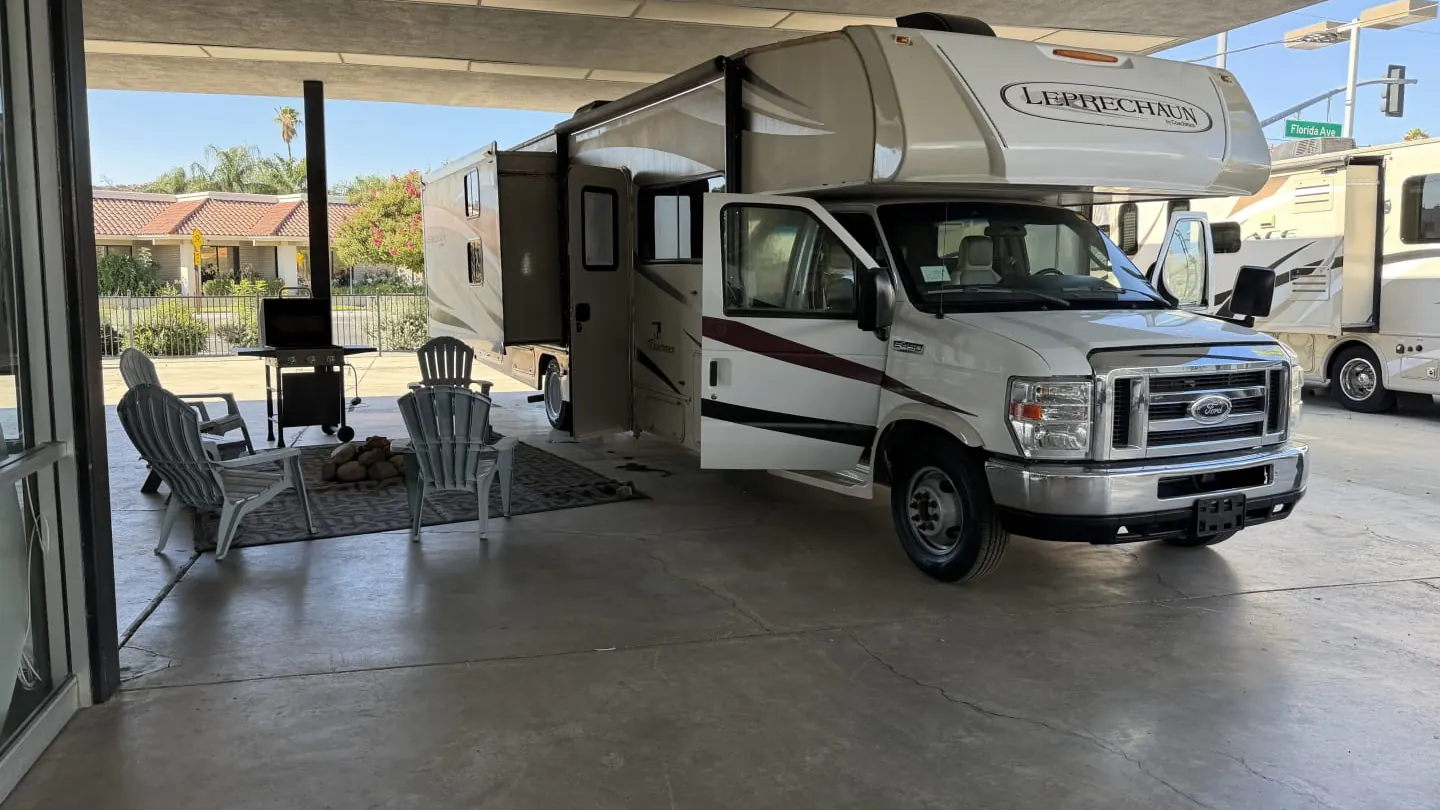
Starting an RV rental business looks simple from the outside. Buy an RV, list it, hand over the keys. People who have done it know the real work is everything around the handoff. You need insurance that actually covers a stranger driving your unit and an agreement that holds up when something breaks. You need a turnover routine that does not eat your weekend, and a way for renters to find and book you without five phone calls. This guide lays out the first 90 days in the order that saves you the most rework.
The plan assumes you are starting with one to five units and have some time before the season you want to rent in. If you already run a dealership, the steps are similar, but read how dealers add a rental program alongside sales for the parts that differ.
Days 1 to 15: Decide what kind of rental business you are
Before you spend money, answer four questions in writing. They shape every decision after this.
- Drivable or towable? With a motorhome, you rent the whole vehicle, engine and all. With a towable, you either need renters with a capable tow vehicle or you deliver and set up at a campground. Delivery-only towable rentals are often the easiest way to start, because the renter never drives your equipment.
- Who is your renter? Families on a first trip, festival crowds, contractors who need housing, tailgaters and cross-country travelers all want different units, trip lengths and levels of hand-holding.
- Where do trips start? From your home, a storage lot, or a campground you deliver to. This affects zoning, insurance and how many hours you spend driving.
- How many units by the end of year one? One unit is a side business. Five units need a turnover process and probably a weekend helper.
Write your answers on one page. That page becomes the core of your RV rental business plan, which you will want anyway if a lender is involved.
Days 1 to 30: Legal setup and money
Do these alongside the questions above. None of them is hard, but each one takes a few days of waiting on someone else.
- Form the business entity. Talk to an attorney or accountant about whether an LLC or another structure fits your situation. Rules and fees vary by state.
- Get your tax ID and any local business licenses. Ask your city and county whether vehicle rental from a home address is allowed. Some areas restrict it, and you do not want to learn that from a neighbor's complaint.
- Open a business bank account and card. Run every deposit, fuel receipt and part purchase through it from day one. Mixing personal and business money is a common reason small operators cannot tell whether a unit makes money.
- Ask your accountant about sales, rental and lodging taxes. Some states and localities tax vehicle rentals or overnight stays differently. Get the answer before you set prices, so taxes do not come out of your margin.
- Set up bookkeeping. Track income and expenses by unit, not just for the whole business. The guide to profit-per-unit bookkeeping shows the category setup that makes this painless.
Days 10 to 40: Insurance before anything else is final
Insurance is the step that most often delays a launch, and you cannot shortcut it. A personal RV policy usually does not cover renting the unit to someone else. Many operators find this out when they file their first claim.
Start calling agents early. Ask about rental use, liability limits, physical damage and roadside coverage. Also ask what the policy requires from you, such as renter age minimums, driver's license checks, signed agreements and inspection records. The questions are laid out in detail in what to ask your insurance agent before your first renter. Confirm everything with your agent in writing, because coverage rules vary by state and by insurer.
Tip: Get insurance quotes before you buy a unit. The class, age and value of the RV can change what coverage you can get and what it costs. It is far cheaper to learn that a 20-year-old motorhome is hard to insure before you own it.
Days 20 to 50: Choose and prepare your first units
If you already own an RV, you have your first unit. If you are buying, pick for rentability, not for what you would like to camp in. Renters value easy driving, simple systems, beds that match their group, and a clean, current interior. They do not pay extra for features that break.
For the full breakdown of motorhome classes, trailers and what holds up under renter use, read which RVs to buy for a rental fleet. Here is the short version for a first unit.
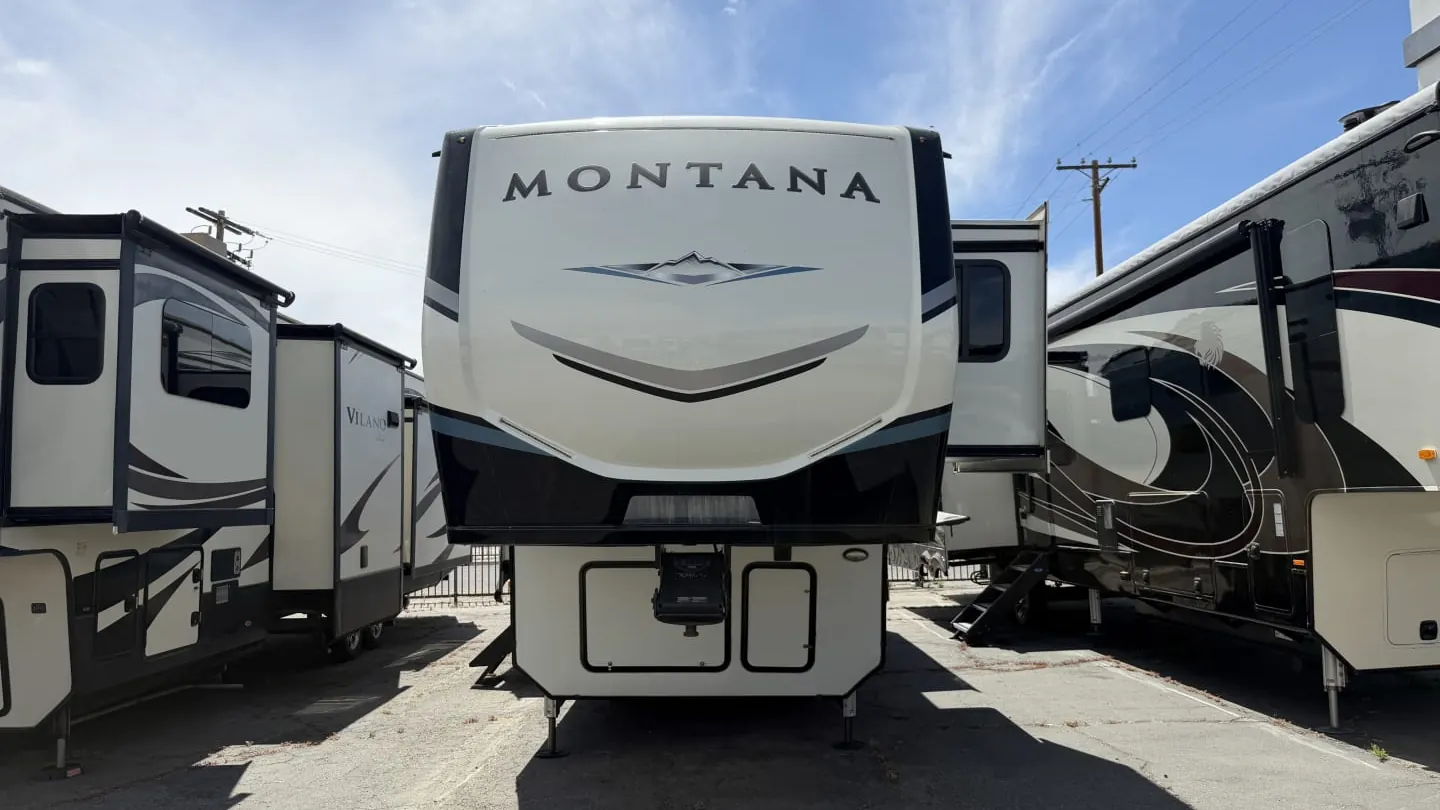
- A mid-length travel trailer for delivery rentals is usually the lowest-cost, lowest-risk starting point.
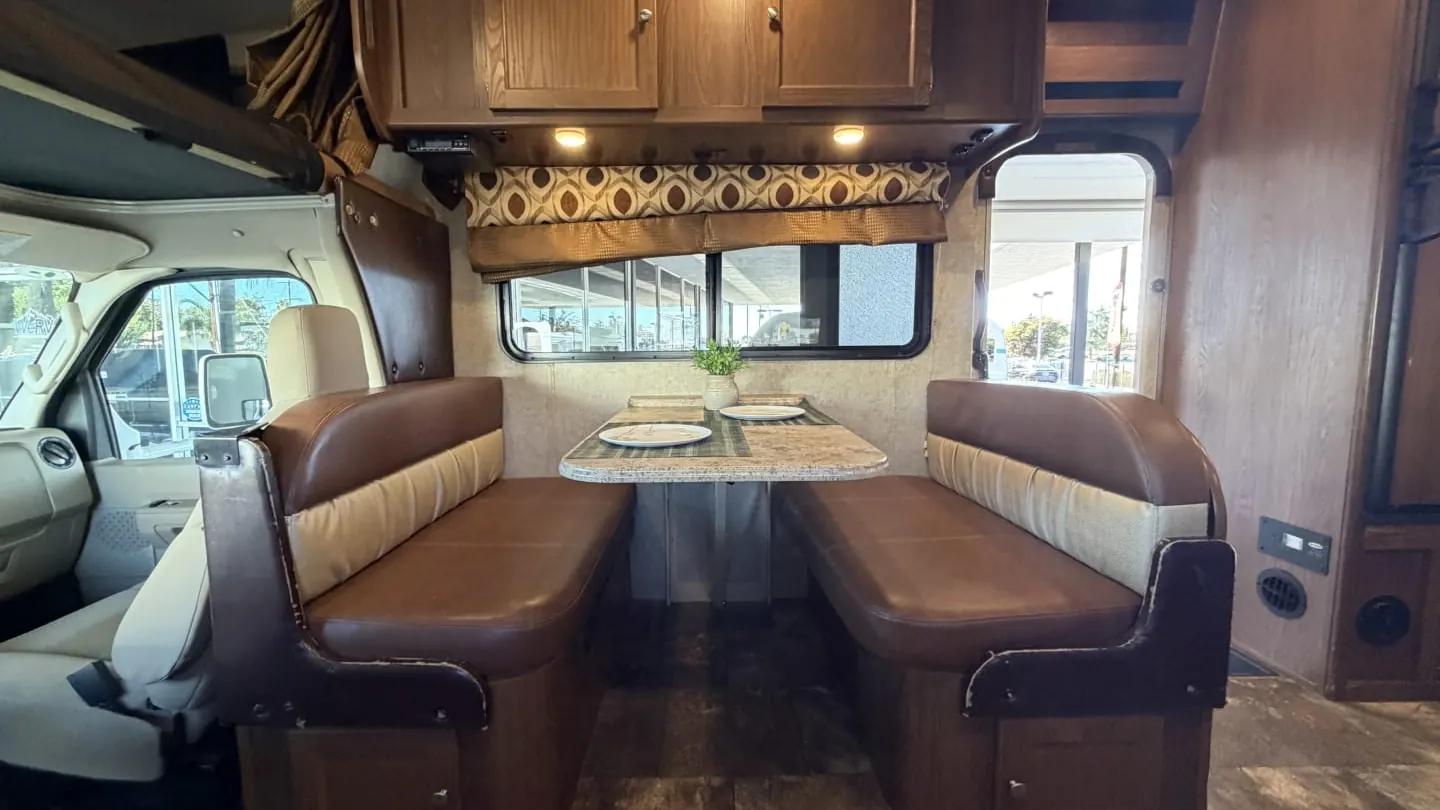
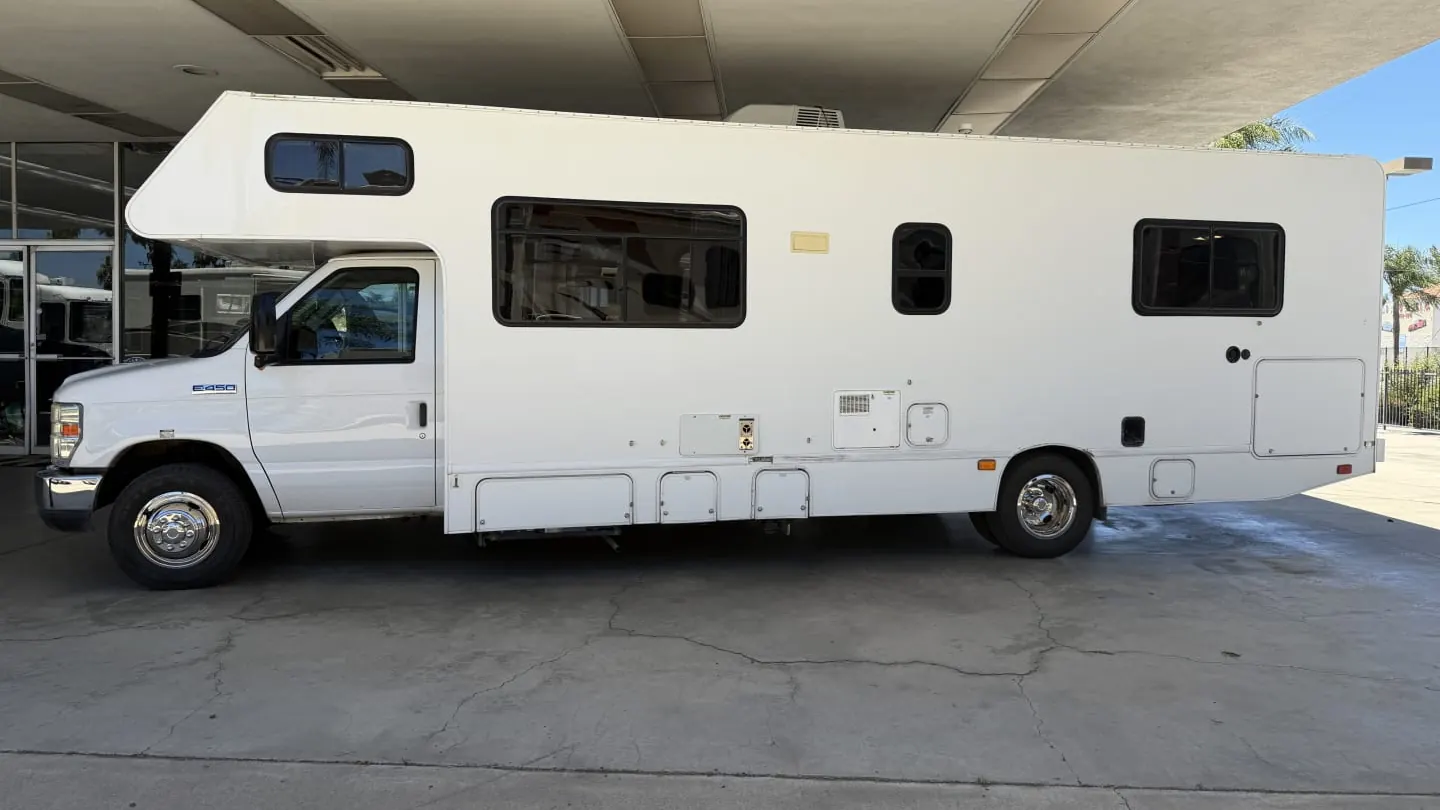
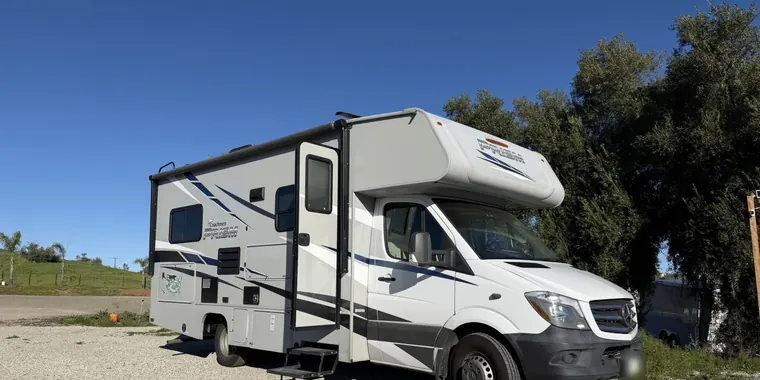
- A Class C motorhome is the most requested drivable unit for families and first-time renters.
- Avoid units with slide-outs, generators or leveling systems that already have problems. Renters will find every weak spot.
Once you have the unit, give it a full service before anyone rents it. Check the roof and seals, tires (date codes, not just tread), brakes, batteries, water heater, furnace, fridge, air conditioner, propane system, and the generator if it has one. Then put it on your preventive maintenance schedule for rental units so you are not reacting to breakdowns mid-season.
Stock the unit like a renter will use it
Decide what comes with the rental and what is an add-on. The minimum is a basic kitchen kit, a sewer hose with gloves, a water hose, leveling blocks, wheel chocks, a fire extinguisher, a first aid kit and a printed quick-start guide. Label the bins so your turnover person can check them in a minute.
Days 30 to 60: Paperwork, policies and prices
This is where you decide how the business actually runs. Write it down now, because making up policy on the phone with an upset renter goes badly.
Your rental agreement
Your agreement covers who can drive, where the unit can go, mileage and generator hours, pets, smoking, cleaning, late returns, cancellations and what happens when something is damaged. Have an attorney review it for your state. The rental agreement checklist lists every clause worth including.
Deposits and damage
Decide your security deposit amount, when you take it and how you handle claims. The fastest way to avoid deposit fights is dated, time-stamped photos at pickup and return. Read how to handle deposits and damage claims fairly, and build your pickup and return photo walk-around before your first renter arrives.
Pricing
Set a nightly rate, a minimum stay, seasonal adjustments, any mileage or generator fees, and a short menu of add-ons. For example, a unit that rents at $180 a night in peak summer might cost less in the shoulder months, with a shorter minimum stay. The full method, including how to work backward from your costs, is in how to price RV rentals by night, season and mile.
Calendar rules
Decide how many hours or days you need between trips for cleaning and inspection, and whether you hold dates for unpaid bookings. These rules seem minor until you double-book a holiday weekend. See running the booking calendar with buffers and holds.
Days 45 to 75: Make it easy to find you and easy to book
You have two broad paths for bookings. Peer-to-peer rental marketplaces bring traffic but take a cut and set some rules. Direct bookings come through your own website and phone. Most small operators use both at first. The tradeoffs are covered in balancing rental marketplaces and direct bookings.
For direct bookings, you need these at minimum.
- A website with real photos, clear prices, availability and a way to book or request dates. See what an RV rental website needs to take bookings.
- A Google Business Profile set up for an RV rental, with photos, hours, service area and a phone number you answer.
- A plan for reviews. A new business with zero reviews is a hard sell. Ask every early renter in person, and read how to get a review after every trip.
- A way to handle calls you miss. Renters shopping on a Saturday will call the next business on the list. A text back within a minute or two often keeps the lead.
Once you are live, use the marketing plan for a small fleet for a broader month-by-month approach.
Days 60 to 90: Rehearse, then run your first trips
Before a paying renter shows up, do a full dry run with a friend playing the renter. Time each step.
- Send the booking confirmation and agreement. Can they sign it on their phone without calling you?
- Collect the deposit and balance. Does the payment flow work?
- Do the pickup walk-around with photos of every side, the roof if you can reach it, the tires, the interior and all gauges.
- Run the orientation. Keep it to about 30 minutes with the approach in the renter orientation that prevents 2 a.m. calls.
- Do the return inspection and compare photos.
- Turn the unit over completely with a written cleaning and systems turnover checklist, and time it.
You will find gaps. Maybe the orientation runs long, the dump valve handle is stiff, or the fridge takes too long to cool. Fix them now. Also write a one-page breakdown plan with your roadside number, your mobile tech's number, and what you will refund or replace if a trip is cut short. The mid-trip breakdown playbook is a good template.
Mistakes to avoid in the first season
- Launching without written confirmation that your insurance covers rental use.
- Saying yes to back-to-back bookings with no turnover buffer.
- Skipping photos because the renter seems trustworthy.
- Pricing to match the cheapest listing nearby instead of your actual costs.
- Keeping bookings in a notebook, a spreadsheet and a marketplace calendar at the same time.
That last one is where software earns its keep. RV Shop Desk keeps bookings, the calendar, agreements the renter signs on their phone, walk-around photos, turnovers and payments in one place. It costs $9 per rental unit a month with a five-unit minimum (smaller fleets can email [email protected]). The details are on the RV rental software page.
After day 90: Measure, then decide on unit number two
Once you have a few trips behind you, look at the numbers per unit. Check nights booked, revenue, turnover hours, repairs and insurance. If one unit is booked solid and turning away dates, that is a signal, not a decision. Work through the math in when to add another RV based on utilization, and plan for the slow months with the off-season guide to winterizing and winter bookings. The operators who last grow on evidence from their own fleet, not on one good summer.
Questions owners ask
How much money do I need to start an RV rental business?
It depends mostly on whether you buy units with cash or finance them, and on the class of RV. Build a budget that covers the units, insurance, registration, a starting parts and supplies kit, a website, and at least three months of payments with no bookings.
Can I start an RV rental business with one RV?
Yes. Many operators start with one or two units, often ones they already own. Treat even a single unit as a business from day one, with a separate bank account, proper commercial or rental coverage, and a written agreement for every renter.
Do I need a special license to rent out RVs?
Requirements vary by state, county and city. Check with your state and local business licensing offices, and ask an attorney whether your location or zoning allows vehicle rentals from your property.
How long does it take to get the first booking?
If your paperwork, insurance and listing are ready, the first booking often comes down to how fast people can find you and how easy it is to book. Plan on roughly 90 days from decision to first trip if you are starting from scratch.