Rental Marketplaces or Direct Bookings? How to Balance Both
Use both. Marketplaces bring renters you could never reach alone, and they take a real cut for it. Direct bookings keep more of the money but take work to earn, so most healthy fleets balance the two on purpose.
By the RV Shop Desk team · · 6 min read
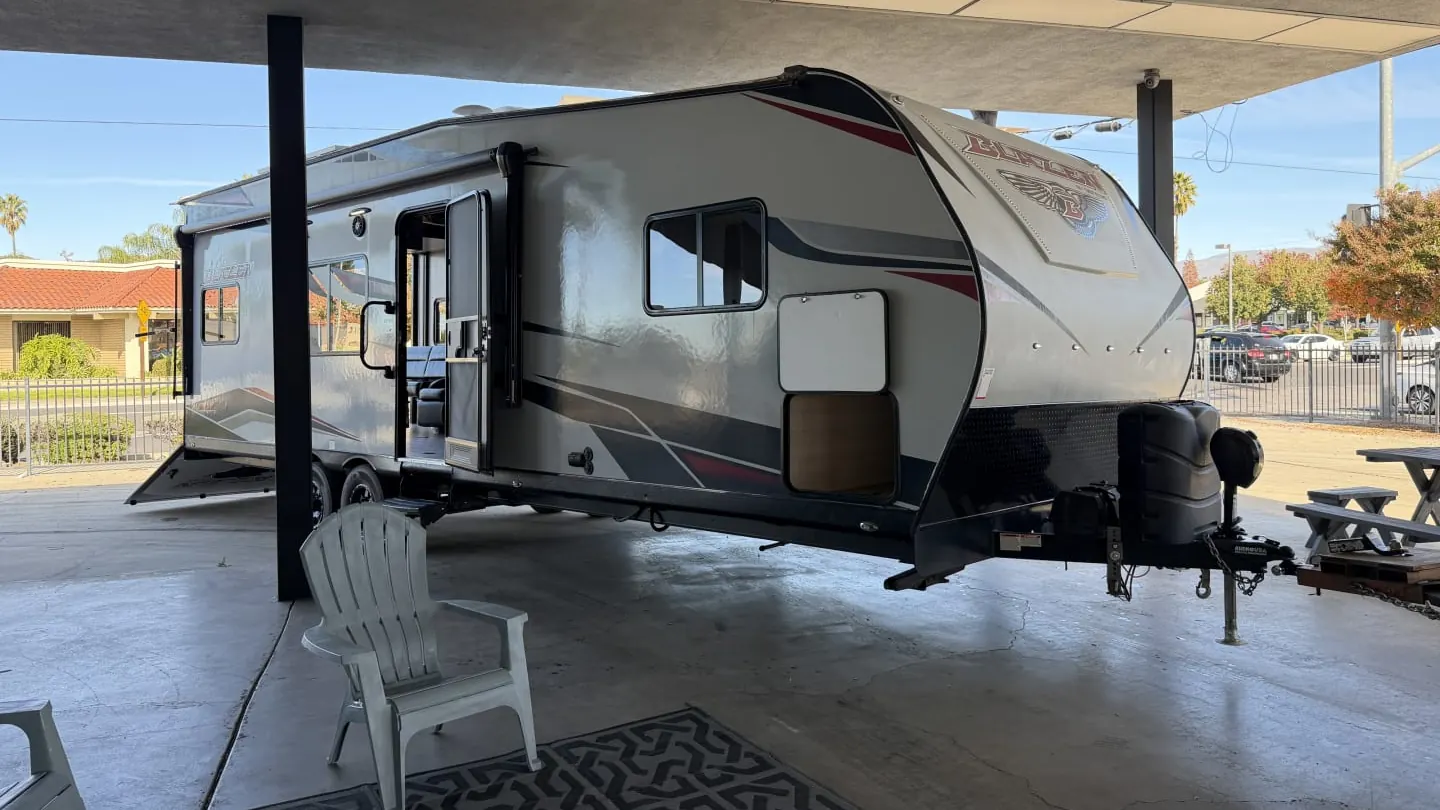
Almost every RV rental owner hits the same question in year one. Do you list on peer-to-peer rental marketplaces, build your own direct booking channel, or both? For most fleets the honest answer is both, in a balance that shifts as you grow. Marketplaces are a fast way to get your first bookings and your first reviews. Direct bookings are where you keep more of the money and control more of the experience. This guide shows what each channel truly costs, what it gives you, and how to run both without letting either one run you.
What marketplaces actually give you
A marketplace does several jobs that are hard to do yourself when you are starting out.
- Demand you cannot reach alone. Renters shopping on a marketplace are already planning a trip. You do not have to sell them on RV travel. You just have to be the best listing on the page.
- Trust by default. A first-time renter may hesitate to hand a deposit to a business they have never heard of. The marketplace's brand builds that trust for you.
- Payments and some protections. Many marketplaces collect payment and offer some form of coverage or damage process for trips booked through them. Read the details closely, because they vary widely.
- A review engine. Early reviews on a marketplace help your listing rank and give you social proof to point to.
What marketplaces cost you
The obvious cost is the fee. Marketplaces usually take a percentage from you, the renter, or both. The exact numbers vary by platform and change over time, so read the current terms before you set prices. For planning, what matters is the total share of the rental you give up. Count service fees charged to the renter too, because they make your price look higher to the shopper.
The hidden costs matter just as much.
- Your rules become their rules. Cancellation policies, deposit handling, messaging, and sometimes damage claims all run through the platform's process, not yours.
- You do not own the customer. Many marketplaces limit how you can contact renters outside the platform. The relationship belongs, at least partly, to them.
- Price comparison is instant. Your unit sits next to a dozen others. That pushes prices down, especially for common unit types.
- Algorithm dependence. Your bookings depend on ranking rules you do not control and that can change without notice.
What direct bookings give you, and cost you
A direct booking comes through your own website, your phone, a search listing, a referral or a repeat customer. You keep the whole rental total minus card processing. You set your own agreement, deposit and cancellation terms. You own the customer's contact details and can invite them back next season.
The catch is that you have to earn every direct booking. You need a website that can take bookings, a strong local search presence, reviews on your own profile, and fast replies to calls and messages. You also carry the full load of screening renters, collecting deposits and handling damage, backed by your own insurance. Confirm with your insurance agent how coverage works for bookings you take directly. Our guide to RV rental insurance questions is a good place to start that talk.
A side-by-side example
The numbers below are for illustration only, to show the shape of the comparison. Plug in your own marketplace's current fees and your own costs.
| Example: 5-night trip at $200 a night | Marketplace booking | Direct booking |
|---|---|---|
| Rental total | $1,000 | $1,000 |
| Channel fee (example: 20% on marketplace) | $200 | $0 |
| Card processing (example: 3% on direct) | Often included in fee | $30 |
| Marketing cost to win the booking | Low | Varies (website, ads, time) |
| You keep before operating costs | $800 | $970, minus marketing |
The gap in this example is $170 per trip. For an example fleet doing 150 trips a season, that adds up fast. But the direct column only wins if you can actually fill the calendar direct. An empty night earns nothing on either channel.
The right balance by stage
Starting out (first season)
Lean on marketplaces. You need bookings, reviews and real-world experience fast. At the same time, lay the groundwork for direct. Set up your Google Business Profile, get a simple website live, and make sure every phone call gets answered. A new fleet like the one in the first 90 days of an RV rental business will usually be mostly marketplace in year one, and that is fine.
Growing (second and third season)
Push your direct share up on purpose. Ask every renter for a review on your own profile. Invite past customers back with early access to summer dates. Build out the website so it shows real availability and takes deposits. Track what share of your booked nights came direct each month.
Established
Many established fleets use marketplaces to fill gaps, not as their main source. Think shoulder season weeks, last-minute openings, or unit types that sell better there. Direct becomes the core.
Track booked nights and net revenue by channel every month, not just total bookings. A channel that brings lots of short, low-margin trips can look busy while it earns less than a channel with fewer, longer bookings.
Questions to ask before you list anywhere
Before you create a marketplace listing, read the platform's terms end to end and write down the answers to a few questions. Who sets the cancellation policy, and can you choose between options? How and when are payouts made, and what happens to your payout if a renter disputes a charge? What is the process and deadline for a damage claim, and what proof does it require? Can you require your own rental agreement on top of theirs? Are there rules about listing the same unit elsewhere or pricing it lower elsewhere? Get these answers up front. Then you will not build your operation around a rule you only find after your first bad return.
Running both without double booking
The biggest risk of running several channels is two renters holding the same dates. Prevent it with a strict process.
- One master calendar. Every booking, from every channel, lives there. Everything else is a copy.
- Block immediately. When a booking lands on one channel, block those dates everywhere else within minutes. Use calendar sync where a platform supports it, and test the sync to prove it works.
- Same buffers everywhere. Your turnover gap and minimum nights should match across channels. Our guide to buffers, minimum nights and holds shows how to set them.
- Consider dedicating units. Some fleets list only certain units on marketplaces and keep others direct-only. That makes syncing simpler and makes channels easy to compare.
Keeping the experience consistent
A renter who books through a marketplace is still your renter. They get the same clean unit, the same renter orientation, and the same walk-around photo inspection at pickup and return. Where the marketplace has its own process for check-in photos or damage claims, follow it exactly. Claims that break the platform's rules are often denied. Keep your own photos too.
Keep your pricing consistent in spirit, though not always identical. Some owners price direct a bit below the marketplace total, since a direct renter pays no service fee. Check each marketplace's terms first, because some have rules about pricing elsewhere.
Growing direct bookings the right way
Do not try to pull a current marketplace booking off the platform. It usually breaks the platform's terms and puts your listing at risk. Instead, make yourself easy to find next time.
- A clear business name in the unit's welcome book, and a website renters will find when they search it.
- A strong local search profile with recent reviews.
- A website that takes bookings with real availability and online deposits, so a returning renter can book in minutes.
- Fast replies. A renter who calls and gets voicemail will go back to the marketplace. Our guide to what missed calls cost and how to text back covers this.
RV Shop Desk's website and marketing is included in the plan. You get a website built and hosted for you, a managed Google profile, review requests after each trip, a network listing, and missed-call text back. It is one way to build the direct side without taking on a second job.
Balance is a decision, not an accident
Decide on purpose what role each channel plays in your fleet this season, and measure it every month. Use marketplaces for reach and reviews, build direct for margin and relationships, and keep one calendar that tells the truth. When you plan your year, fold channel goals into your RV rental marketing plan. Track net revenue by channel in your bookkeeping by unit so you know which bookings actually pay the bills.
Questions owners ask
Is it better to list my RV on a rental marketplace or rent directly?
Marketplaces are usually better for early bookings and reviews when nobody knows your name yet. Direct bookings usually keep more of each rental and give you more control. Most fleets use marketplaces for reach and grow direct bookings steadily over time.
Can I list the same RV on a marketplace and my own website?
Usually yes, as long as the marketplace's terms allow it and you keep calendars in sync so dates never double book. Read each marketplace's terms closely, because some limit how you can contact the renters they send you.
How do I get marketplace renters to book direct next time?
Deliver a great trip and make it easy to find you afterward through your own website, reviews and search listing. Stay within each marketplace's rules about contacting renters, and do not try to move a current booking off the platform.
Does marketplace insurance replace my own RV insurance?
Do not assume it does. Coverage offered through a marketplace may apply only to trips booked there and may have limits and exclusions. Confirm with your insurance agent what covers direct bookings and what covers marketplace bookings.