Writing an RV Rental Business Plan a Lender Will Actually Read
Show the lender that each unit pays for itself, that you know your real costs, and that you have planned for what goes wrong. Lead with unit math and monthly cash flow, and keep the rest short and specific.
By the RV Shop Desk team · · 7 min read
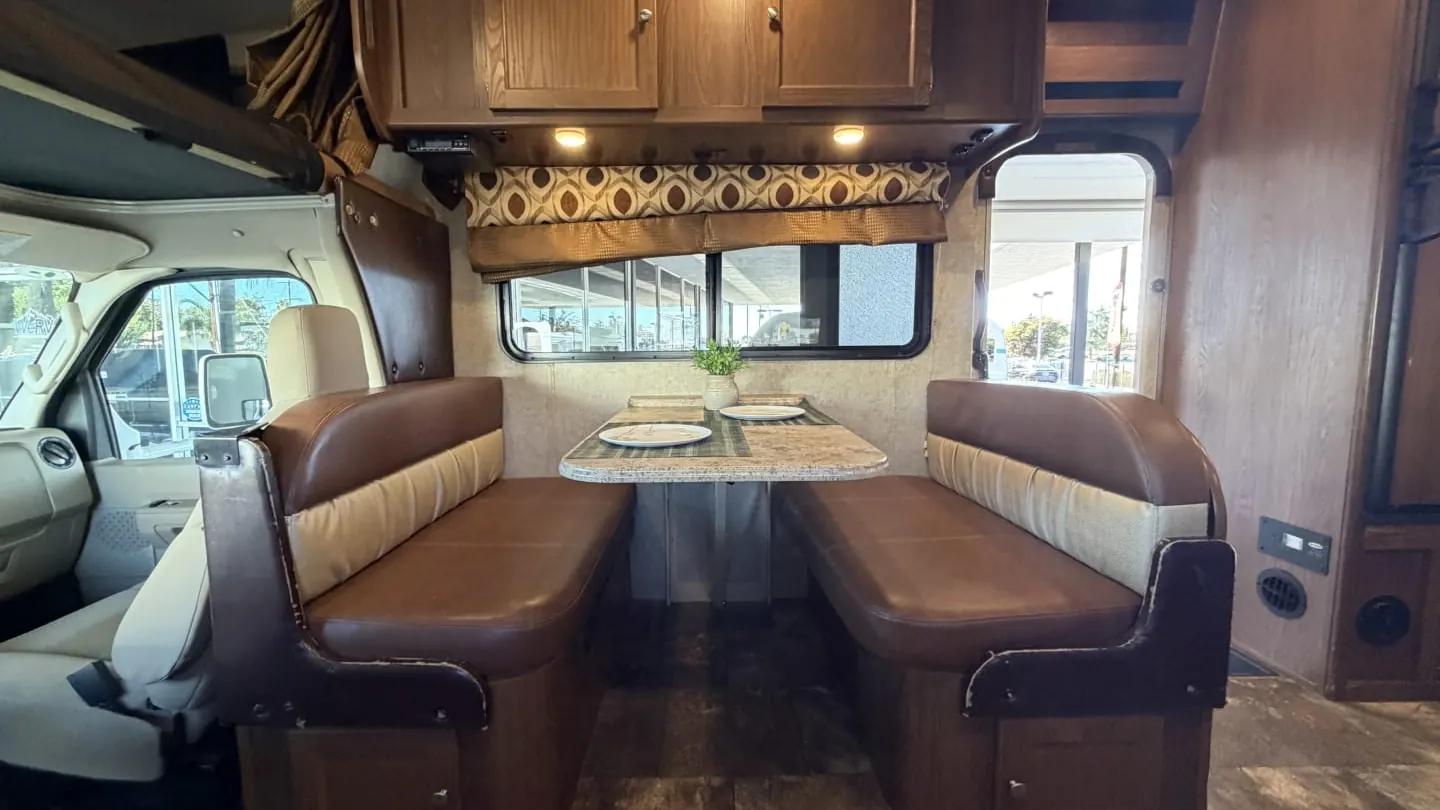
Many lenders give a business plan only a few minutes at first. They flip to the numbers and check whether a believable amount of rental income covers the payment on the unit. They look for your own money in the deal. Then they decide whether to read the rest. Write the plan with that quick first read in mind. You will end up with a better plan, and you will understand your own business better too.
This guide walks through the sections that matter, in the order a lender reads them, with example numbers you can swap for your own. Every figure below is an illustration, not a benchmark. Your market, units and costs are what count.
Start by asking the lender what they want
Before you write a word, call two or three lenders. Try your own bank, a local credit union, and anyone who finances recreational vehicles for business use. Ask them directly:
- Do you lend on RVs used for rental, and do you treat them as vehicles, equipment or something else?
- What down payment and term do you typically require for a new business?
- Do you need a personal guarantee, and do you want tax returns or a personal financial statement?
- What do you want to see in a projection? Monthly, quarterly, one year or three years?
Their answers tell you what to put first. If a lender wants monthly cash flow for 24 months, give them exactly that on page two, not buried in an appendix.
The one-page summary
This is the page that gets read. Keep it to five short paragraphs:
- What you do. "We rent Class C motorhomes and delivered travel trailers to families within about two hours of our location." One sentence, specific.
- What you are asking for. The loan amount, what it buys, and how much of your own money is going in.
- Why it works. The unit-level math in two lines. Show expected monthly revenue per unit against the monthly payment and running costs.
- Why you. Your relevant experience, such as owning and maintaining RVs, running a business, mechanical skills, customer service and any rental history you already have.
- How the loan gets repaid if things go slower than planned.
If you already have a unit renting, lead with its real history. Six months of actual bookings beats any projection.
Market and renter: be specific, skip the industry hype
Lenders have read every sentence about how popular RVing has become. What they have not read is a clear picture of your renters. Describe who books, when and why. For example, you might serve families from the nearby metro area taking one-week summer trips to state parks, plus weekend bookings for two regional events. List the campgrounds, parks and events within your delivery range and the months they draw visitors.
Then describe how renters will find you. Most small fleets use peer-to-peer rental marketplaces, their own website, a Google Business Profile and referrals. The tradeoffs of each are in choosing between rental marketplaces and direct bookings, and the plan for getting found is in a marketing plan built for a small fleet. You do not need all of it here. A paragraph on each channel shows the lender you have a plan beyond "list it and wait."
The fleet section
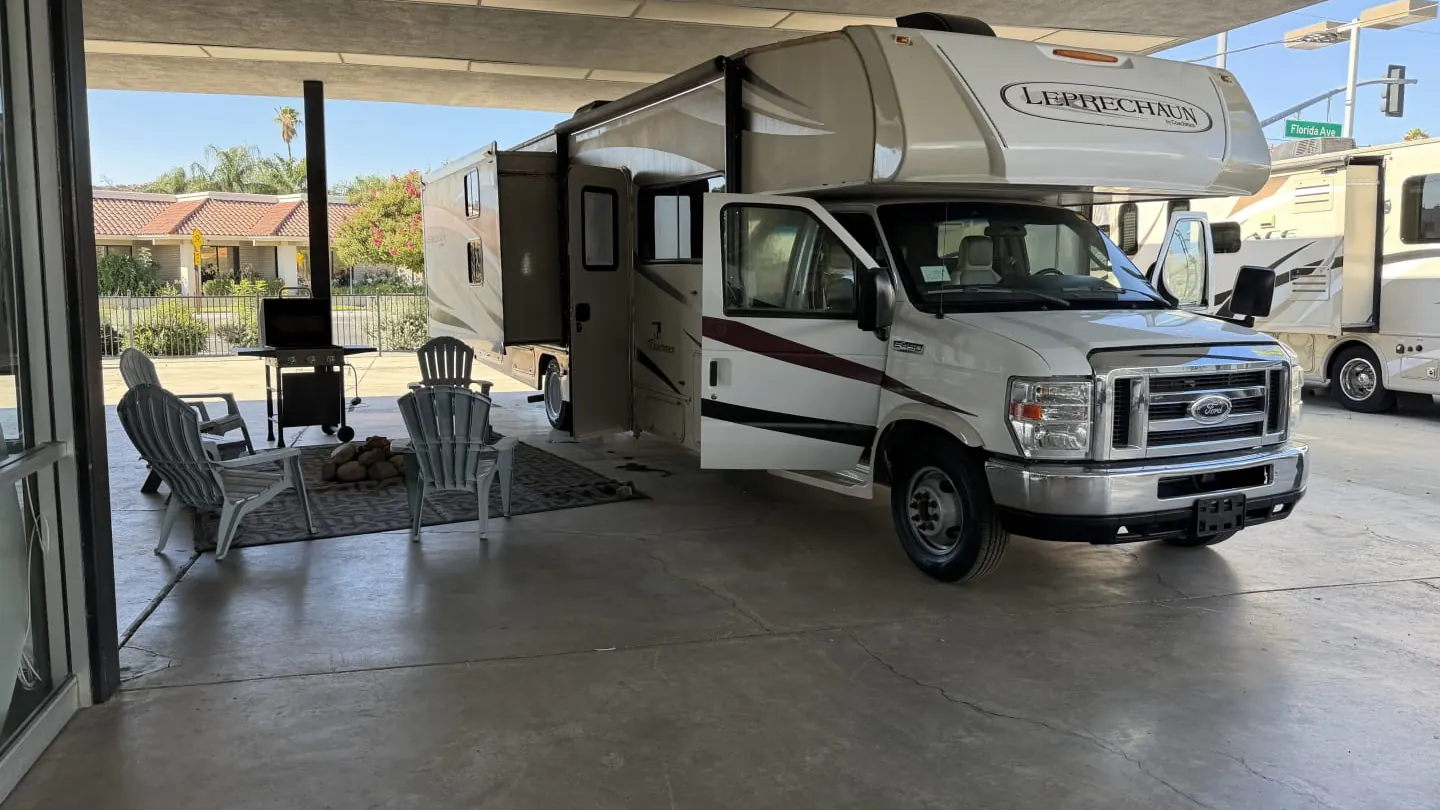
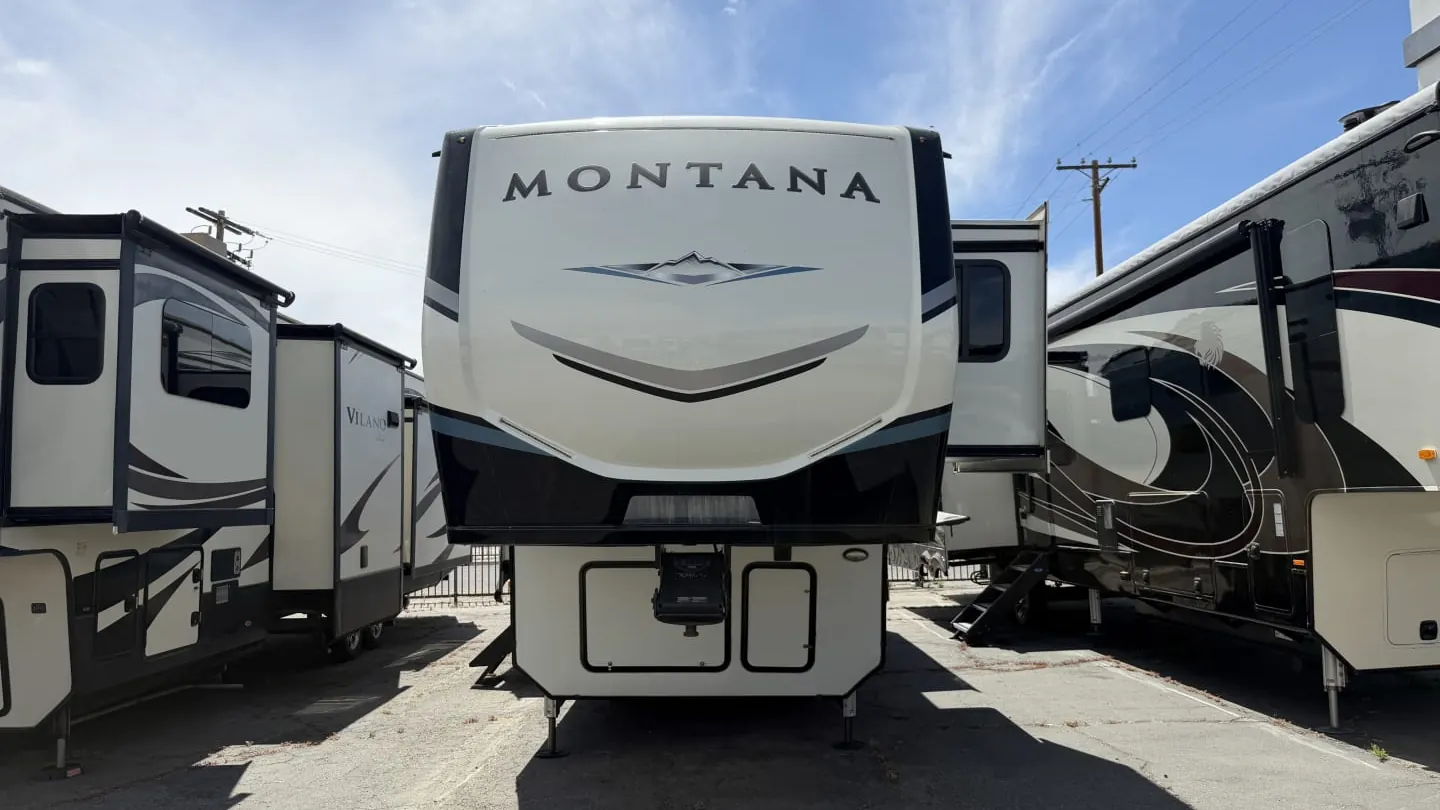
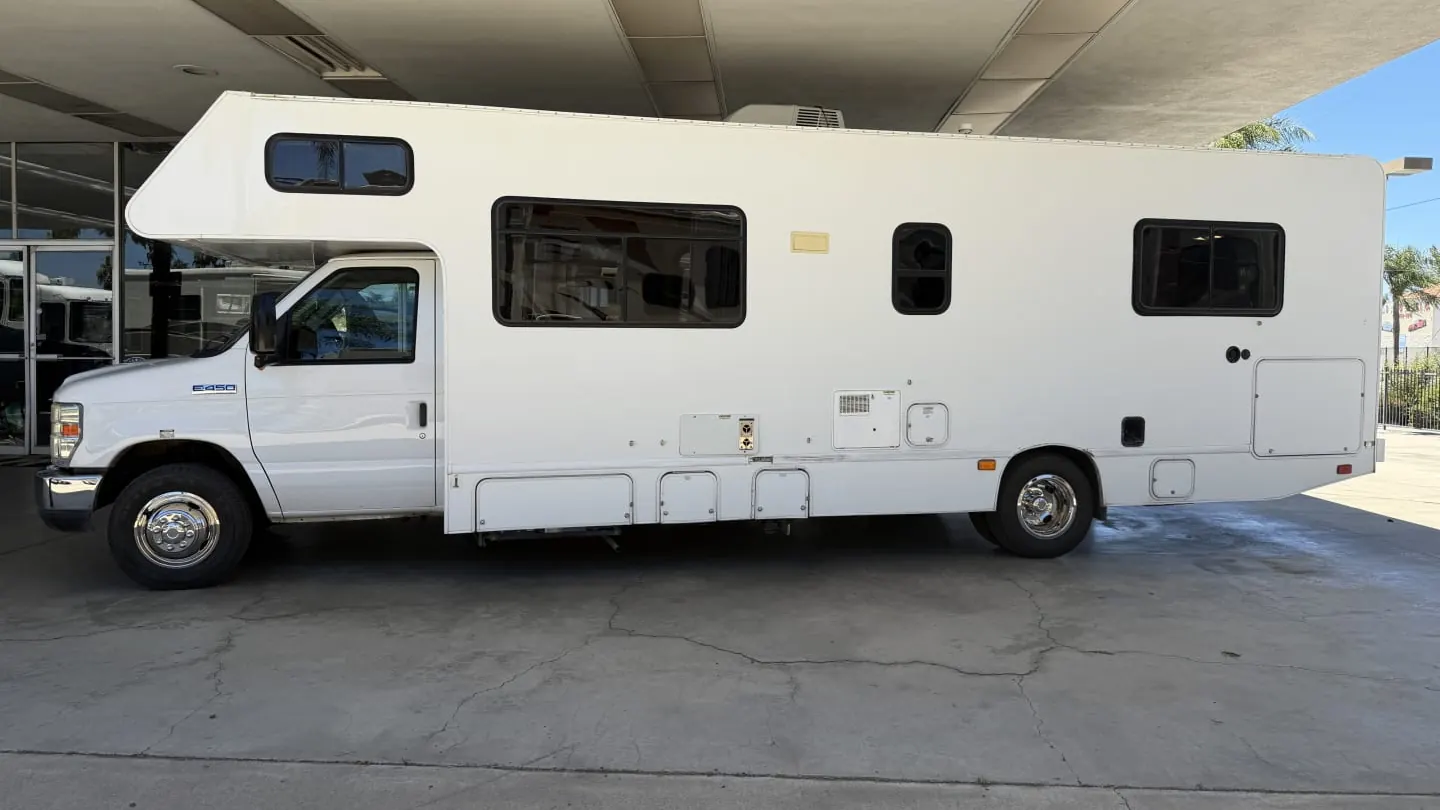
List each unit you own or plan to buy. Give its class, length, sleeping capacity, model year range and expected purchase price, and say whether it is financed. Explain why you chose it. A lender wants to hear that you picked units renters ask for and that are easy to maintain, not the unit you liked best. If you have not decided yet, the class-by-class guide to rental RVs will help you justify the choice.
Cover the maintenance plan in one paragraph. Say who services the units, how often, and how you budget for it. Pointing to a written preventive maintenance schedule for rental RVs quietly tells the lender you will protect the collateral.
Unit economics: the page that decides the loan
Build a profit and loss for a single unit over a year. Keep every assumption visible so the lender can change one and see what happens. Here is an example layout with illustrative numbers for one motorhome. Replace every figure with your own quotes and research.
| Line (example unit, one year) | Assumption | Example amount |
|---|---|---|
| Nights booked | Peak, shoulder and off-season nights estimated separately | 90 nights |
| Average nightly rate | Blended across seasons | $175 |
| Rental revenue | Nights times rate | $15,750 |
| Add-ons, mileage and cleaning fees | Average per trip times trips | $2,000 |
| Marketplace or payment fees | Share of bookings by channel | ($1,400) |
| Loan payment | From lender quote | ($7,200) |
| Insurance | From agent quote | (your quote) |
| Maintenance, repairs, tires | Per-trip and annual reserve | ($2,000) |
| Cleaning and turnover labor | Hours per turnover times wage | ($1,200) |
| Storage, registration, software, supplies | Monthly and annual items | ($1,500) |
A few rules make this page credible:
- Get real quotes for insurance and financing. Do not guess these. Get insurance quotes before the plan is final, using the questions in the RV rental insurance guide, and confirm the figures with your agent.
- Estimate nights by season, not as one annual number. A unit that books most weekends in summer may sit for months in winter. Show the lender you know that. The RV rental off-season guide covers what those months tend to look like.
- Tie your rate to a pricing method. Explain how you set your nightly rate, minimum stays and add-ons, following a structured approach to RV rental pricing.
- Count turnover labor even if you do it yourself. Your time has a cost, and if you grow you will pay someone. The turnover checklist helps you estimate hours per trip.
Tip: Add a small sensitivity table under the unit P&L. Show results at your base-case nights and at about two-thirds of that. If the unit still covers its payment in the low case, say so plainly. If it does not, explain what cash reserve covers the gap.
Monthly cash flow for the first two years
Annual profit can look fine while you run out of cash in February. Lay out every month. Include bookings, deposits collected, the loan payment, insurance (monthly or annual), maintenance and your draw, if any. Show when you expect your first positive month and how much cash you will hold at the lowest point.
Put your opening cash reserve at the top. Lenders often ask, "What happens if you get half the bookings you expect in year one?" Your cash flow should answer that without a follow-up call.
If you plan to add units over time, show each one as a separate step with its own trigger. For example, add a second unit when the first is booked for most available peak weekends for a full season. The reasoning behind that kind of trigger is in the utilization math for adding another RV.
Operations: show the lender a real process
Keep this section short and concrete. Describe what happens from booking to return:
- Booking and payment: how renters book, and when you collect deposits and balances.
- Screening: driver's license checks, age minimums required by your insurer, and your agreement. List the major clauses from what belongs in an RV rental agreement.
- Pickup: a photo walk-around and a renter orientation.
- During the trip: who answers the phone, your roadside plan, and your mobile tech.
- Return: inspection, deposit handling and damage claims.
- Turnover: cleaning, systems check and restock before the next renter.
A lender reading this wants to know you will catch damage early, bill for it properly and keep the collateral in good shape. Pointing to a photo-based walk-around at pickup and return and a written deposit and damage claims policy answers that directly.
Records and bookkeeping
State that you keep separate business accounts and track income and costs per unit. Lenders ask for financials at renewal, and a clean per-unit view makes the next loan easier. Setting this up from day one is covered in bookkeeping for profit per unit. If you want the books and payroll in the same system as your bookings, RV Shop Desk includes built-in accounting and payroll. Pulling per-unit numbers for a lender then comes down to running a report.
Risks, named honestly
Lenders trust plans that name their own weak points. Pick the four or five that apply to you and give each one a sentence on how you handle it:
- Slow first season. A cash reserve covering several months of payments, and a plan to build reviews quickly.
- Major damage or a total loss. Insurance coverage confirmed in writing, a deposit policy, and a unit that is not over-financed.
- Mid-trip breakdowns. Preventive maintenance, a roadside plan and a written breakdown playbook.
- Owner unavailable. A backup person trained on pickups, returns and turnovers.
- Local rules. Zoning or licensing confirmed with your city and county, with your attorney's review where needed. Rules vary by location.
Where the plan goes after the loan
Once the loan closes, keep the plan open. Compare actual nights, revenue and costs to your projections every month, and update next year's numbers from real data. That habit makes your second loan faster and keeps you honest about growth. If you have not started yet, pair this plan with the first 90 days of starting an RV rental business, which turns the operations section into a week-by-week launch schedule.
Questions owners ask
What should an RV rental business plan include?
Include a one-page summary, your market and renter type, the fleet and how you finance it, and pricing. Add a unit-level profit and loss, a monthly cash flow projection, operations, insurance, and the risks with your plan for each. Lenders care most about the unit math and the cash flow.
What utilization should I assume in an RV rental business plan?
Use a conservative number you can defend from your own market research. Show a low case as well as a base case. Assume a slow first season while you build reviews, and account for the off-season in colder regions.
Do banks lend to new RV rental businesses?
Some do, often with a bigger down payment, a personal guarantee or the RV itself as collateral. Talk to more than one lender. Ask what they need to see before you write the plan, so you can answer it directly.