RV Rental Insurance: The Questions to Ask Before Your First Renter
A personal RV policy is not a rental business policy, and many personal policies exclude rental use. Before a renter gets your keys, put the questions below to a licensed agent and get the answers in writing.
By the RV Shop Desk team · · 6 min read
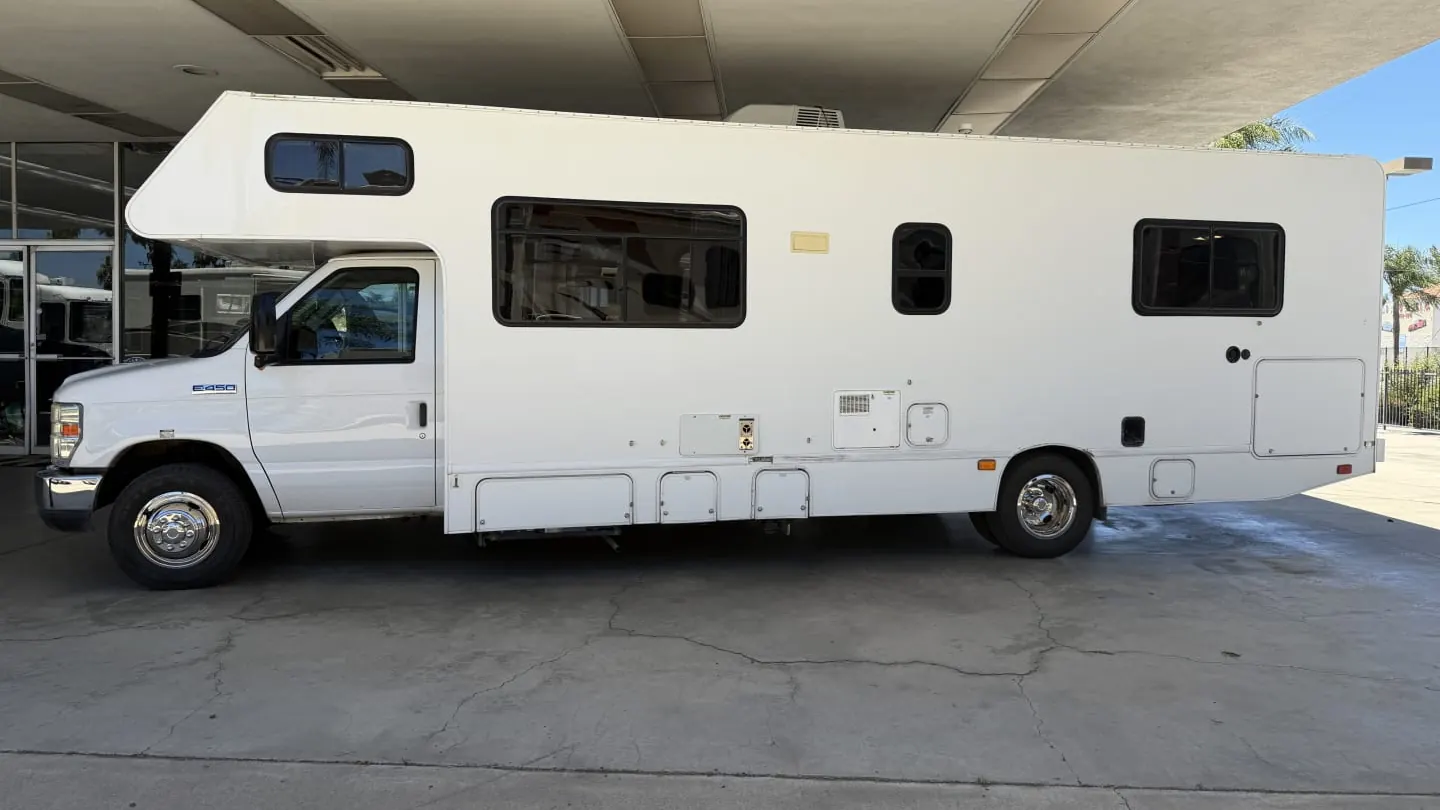
Insurance is the part of an RV rental business owners most want to skip. It is also the part that decides whether one bad trip is a hassle or the end of the business. The catch is that most coverage problems stay hidden until a claim. A policy can look complete on paper and still exclude rental use, drivers under a certain age, or a trip across a state line.
This guide does not tell you what coverage to buy or what it costs. That depends on your state, your insurer, your units and how you rent, and only a licensed agent can quote it. What you get here is the list of questions that force straight answers, plus the habits that make claims go smoothly. Rules vary by state, so confirm every point with your agent. Have your attorney review how your agreement lines up with your policy.
Before you call: know how you will rent
Agents quote more accurately when you give them specifics. Have these ready:
- Each unit's class, year and value, and whether it is financed (your lender may have coverage rules too).
- Whether renters drive or tow the units, or whether you deliver and set up.
- Where trips start and how far renters usually travel, including whether they cross state or national borders.
- Whether you book through peer-to-peer rental marketplaces, directly, or both.
- How many trips you expect per year and your minimum renter age.
- Where units are stored between rentals.
If you have not settled these yet, the first 90 days of starting an RV rental walks through the decisions. Choosing RVs for a rental fleet covers how unit class affects risk.
Questions about whether rental use is covered at all
Start here, because nothing else matters if the answer is no.
- Does this policy cover the unit while it is rented to someone else for money? Ask for the exact wording. Words like "personal use only," "livery" or "commercial use exclusion" matter.
- Does coverage differ between trips booked through a marketplace and trips booked directly with me?
- Is the unit covered while it sits in storage, while I am delivering it, and while I or an employee am driving it to service?
- Is there a limit on the number of rental days or trips per year?
Tip: Ask your agent to email a short summary of each answer, even if they explained it on the phone. When a claim comes in months later, a written answer from your agent beats your memory of a phone call.
Questions about liability
Liability covers injury and property damage your unit causes to others. It is where the biggest claims tend to come from.
- What liability limits are available for rental use, and what do you recommend for my fleet size?
- Does liability follow the renter as the driver, or does it depend on the renter's own auto policy?
- Is there separate coverage for injuries that happen while the unit is parked, such as someone falling on the entry steps at a campsite?
- Do I need a separate general liability policy for my business location, delivery work or customers visiting my lot?
- Does an umbrella policy make sense at my size?
Questions about damage to your units
Physical damage coverage protects the RV itself. This is where deductibles, exclusions and wear-and-tear language cause most disputes.
- What is the deductible per claim, and is it different for collision, weather, theft and vandalism?
- How is the unit valued in a total loss? Is it actual cash value, agreed value or replacement, and what happens if I still owe more than that value?
- Are awnings, slide-outs, roofs and generators covered, or treated as wear items?
- Are interior contents, including linens, kitchen kits and add-on equipment, covered?
- Is water damage covered, and how is it treated if it developed slowly?
- Is loss of rental income covered while a unit is in the shop after a claim?
That last one catches plenty of owners off guard. A unit out of service for weeks in peak season can cost you more in canceled bookings than the repair itself. Ask whether the coverage is available and under what conditions.
Questions about drivers and renters
Insurers often set conditions on who may drive. Your process has to match them exactly.
- What is the minimum renter and driver age?
- Do you require a driving record check, and how recent does it need to be?
- Can additional drivers be added, and do they need to be named in the agreement?
- Are international licenses or foreign renters covered?
- For towables, what do you require from the renter's tow vehicle and hitch?
- Are pets, smoking, off-road use or specific destinations excluded?
Every condition your insurer names belongs in your rental agreement. Use the rental agreement checklist to make sure the clauses are there, and have your attorney confirm the wording.
Questions about roadside and mid-trip problems
- Is roadside assistance included, and does it handle vehicles of this size and weight?
- Does it cover towing to a shop that can actually work on RVs, and how far?
- Does it cover the renter's lodging or trip interruption, or is that my responsibility?
- Who does the renter call first? Roadside, me, or the insurer?
Write the answers into your breakdown playbook for mid-trip problems. Cover the roadside number in the renter orientation, so nobody is hunting for it on the shoulder of a highway.
Questions about your business, not just the units
Once you have a helper, a delivery truck or a lot where renters pick up, your exposure goes beyond the RVs. Ask:
- Is my tow vehicle covered while pulling a rental trailer to a campground, and while I am setting it up on site?
- Are employees or contractors covered when they drive units, and do you need their names and driving records?
- Do I need workers' compensation once I hire, and when does it start to apply in my state?
- Is equipment I rent separately, such as bikes, kayaks or generators, covered under the same policy?
If you are close to hiring, hiring your first crew in an RV business covers the payroll side. The insurance questions above still belong on your agent's list before the first shift.
Questions about claims
How claims actually work matters as much as what is covered.
- What documentation do you need from me for a claim? Photos, the signed agreement, the renter's license, inspection records?
- How quickly must a claim be reported?
- Can I collect from the renter's security deposit and also file a claim, and how do the two interact?
- Will you pursue the renter for amounts above the deductible?
- How does a claim affect my renewal?
Your records are your side of the claim
An insurer and a renter will both ask what the unit looked like when it left. If you cannot show them, the argument drags on. Build these habits from the first trip:
- Time-stamped photos of every side, the roof if you can reach it, tires, windshield, awning and interior at pickup and return. Follow the pickup and return photo checklist.
- A signed agreement and a copy of each driver's license for every trip.
- Maintenance records showing the unit was in good working order. A written preventive maintenance schedule helps here.
- A clear, written security deposit and damage claims policy that the renter agreed to.
RV Shop Desk keeps agreements signed on the renter's phone and walk-around photos attached to each booking. You can bill damage from those photos, so the file for a claim is already put together. See the RV rental software page for how that works.
Mistakes that leave owners uncovered
- Assuming the marketplace covers everything. Marketplace coverage, if any, usually applies only to trips booked there, under their terms. A renter who rebooks directly with you next year may not be covered by it.
- Not telling the agent about a change. Adding a unit, starting deliveries or letting a new employee drive can all matter. Call first.
- Letting the agreement and policy drift apart. If your agreement allows 21-year-old drivers and your policy requires 25, you have a gap.
- Skipping photos on repeat renters. The friendly returning customer is exactly who you will not want to argue with later.
- Budgeting a guess. Get real quotes before you finalize pricing or your business plan.
Put insurance into your prices and your routine
Once you have quotes, divide the yearly cost per unit by the nights you honestly expect to rent it. That per-night figure belongs in your rate, as covered in how to price RV rentals. Review coverage with your agent at least once a year, and any time you add a unit or change how you rent. Paired with a solid rental agreement, the right policy turns the worst trip of the year into paperwork instead of a crisis.
Questions owners ask
Does my personal RV insurance cover renting it out?
Often it does not, and some personal policies exclude rental or commercial use outright. Ask your insurer directly and get the answer in writing before you rent to anyone.
Do peer-to-peer rental marketplaces provide insurance?
Some marketplaces include coverage during trips booked through them, but the terms, limits and deductibles vary. Read the coverage documents. Then ask your own agent how it fits with your policy, especially for trips booked directly with you.
What insurance does an RV rental business need?
Typically you need coverage that clearly allows rental use, including liability and physical damage. You often need general business liability as well. The exact mix depends on your state, your units and how you rent, so work it out with a licensed agent.
Should renters buy their own insurance?
Some operators require or offer renter coverage, and some renters' personal auto policies extend partly to RVs. Do not assume it. Confirm with your insurer what you can rely on and what your agreement should require.