Starting an RV Rental Business With One RV
Yes, you can start an RV rental business with one RV, and many operators do. Pick a unit that rents easily, set it up as a real business from the first day, and track every trip so the numbers tell you when to grow.
By the RV Shop Desk team · · 6 min read
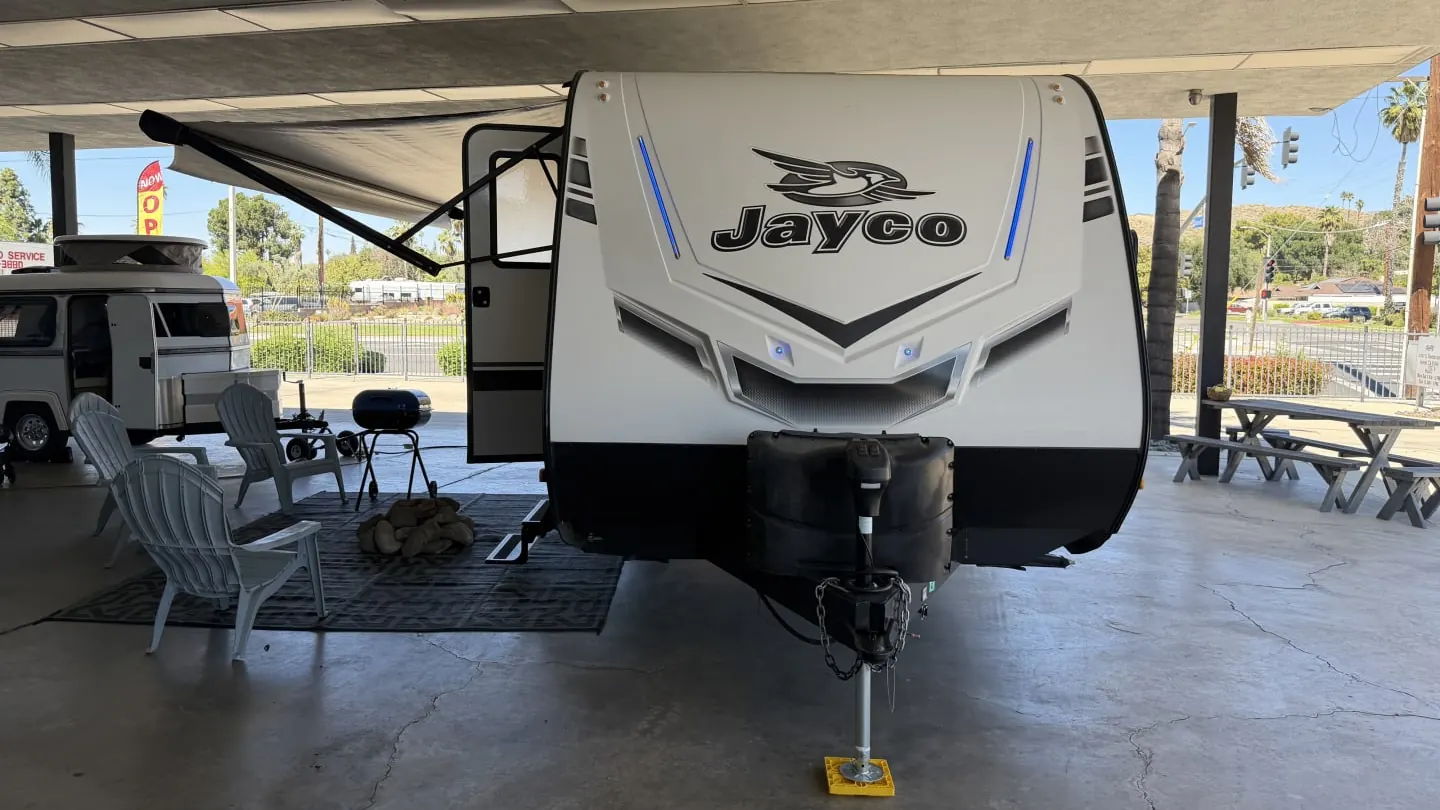 Real rental fleet photo
In this guide
You can start an RV rental business with one RV, and it is the safest way to learn the work. One unit lets you test your market, your prices and your routine before you put more money at risk.
The catch is that one RV still needs everything a fleet needs. It needs insurance that covers renters, a written agreement, a clean handoff and a way to take bookings. This guide shows how to run one unit well, what it can earn, and how to tell when it is time for a second. For the full startup timeline, read how to start an RV rental business in 90 days.
Which Single RV Rents Best?
With one unit, the unit is the whole business. Pick for renters, not for how you like to camp. Most owners end up choosing between two paths.
A Towable You Deliver
A travel trailer that you deliver and set up at a campsite is often the easiest start. The renter never tows or drives it. You control the setup, and you see the site before you leave. Trailers also cost less to buy, insure and fix than motorhomes.
The tradeoff is your time. You need a tow vehicle, and each trip means two drives, one to drop off and one to pick up. If the campgrounds are far away, the driving adds up fast.
A Class C Motorhome
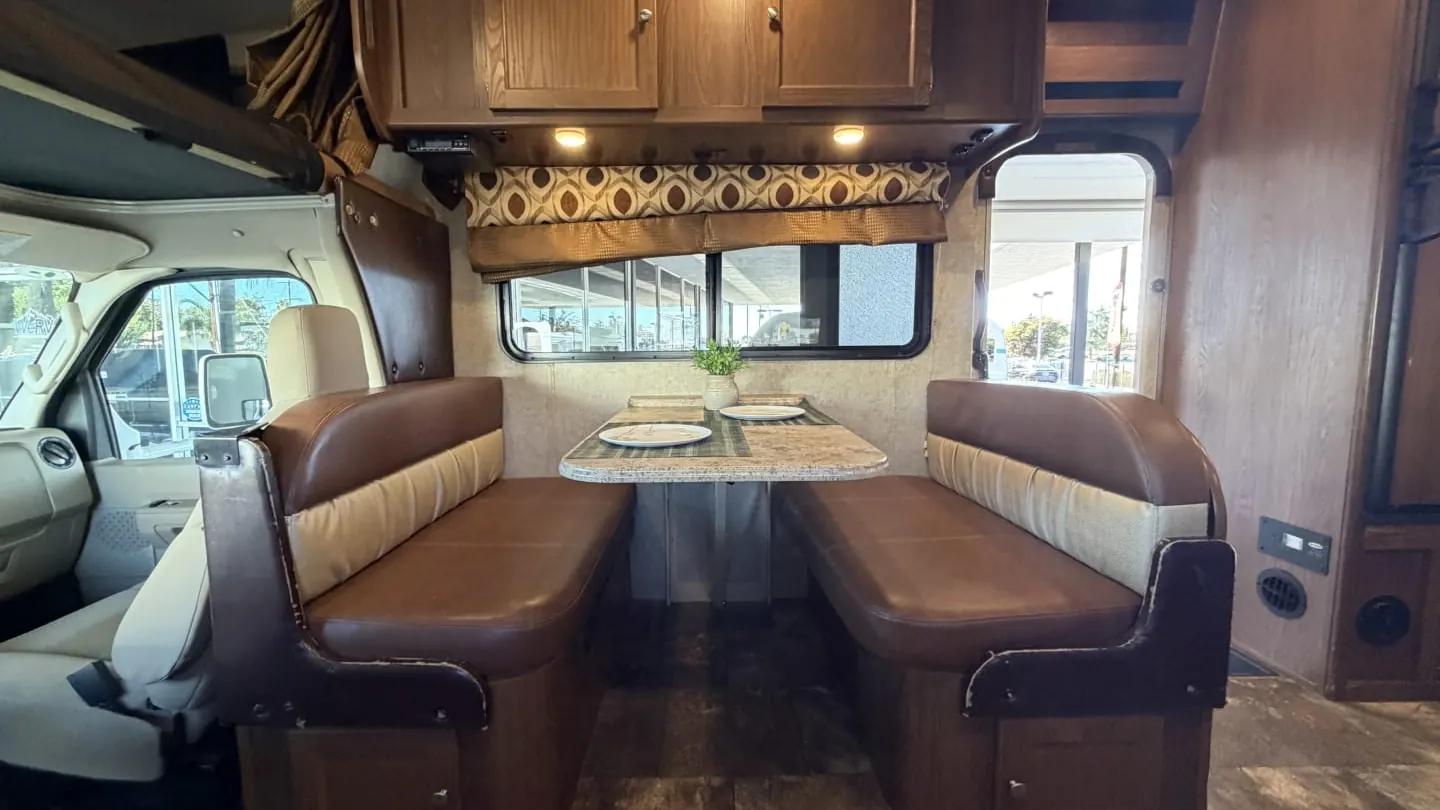
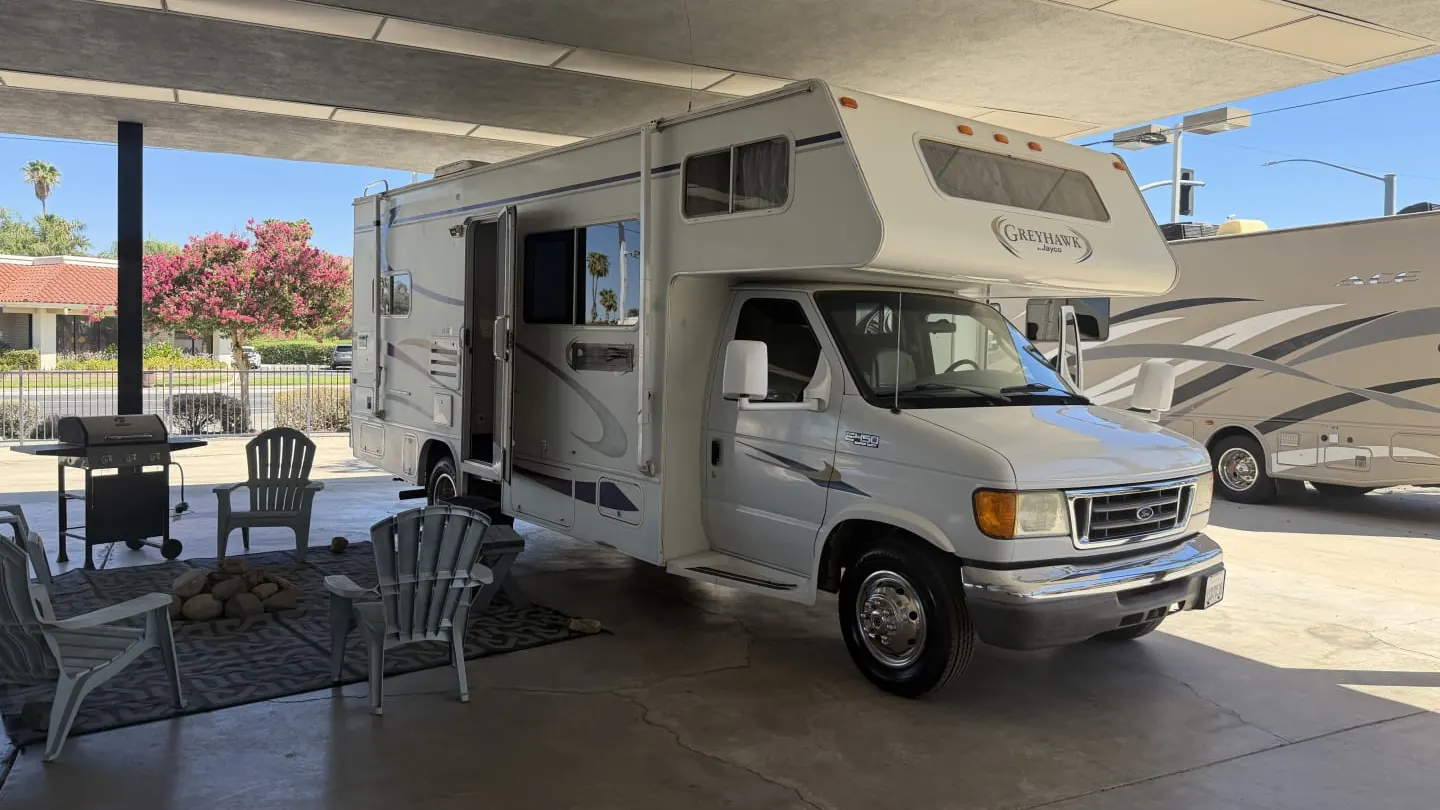
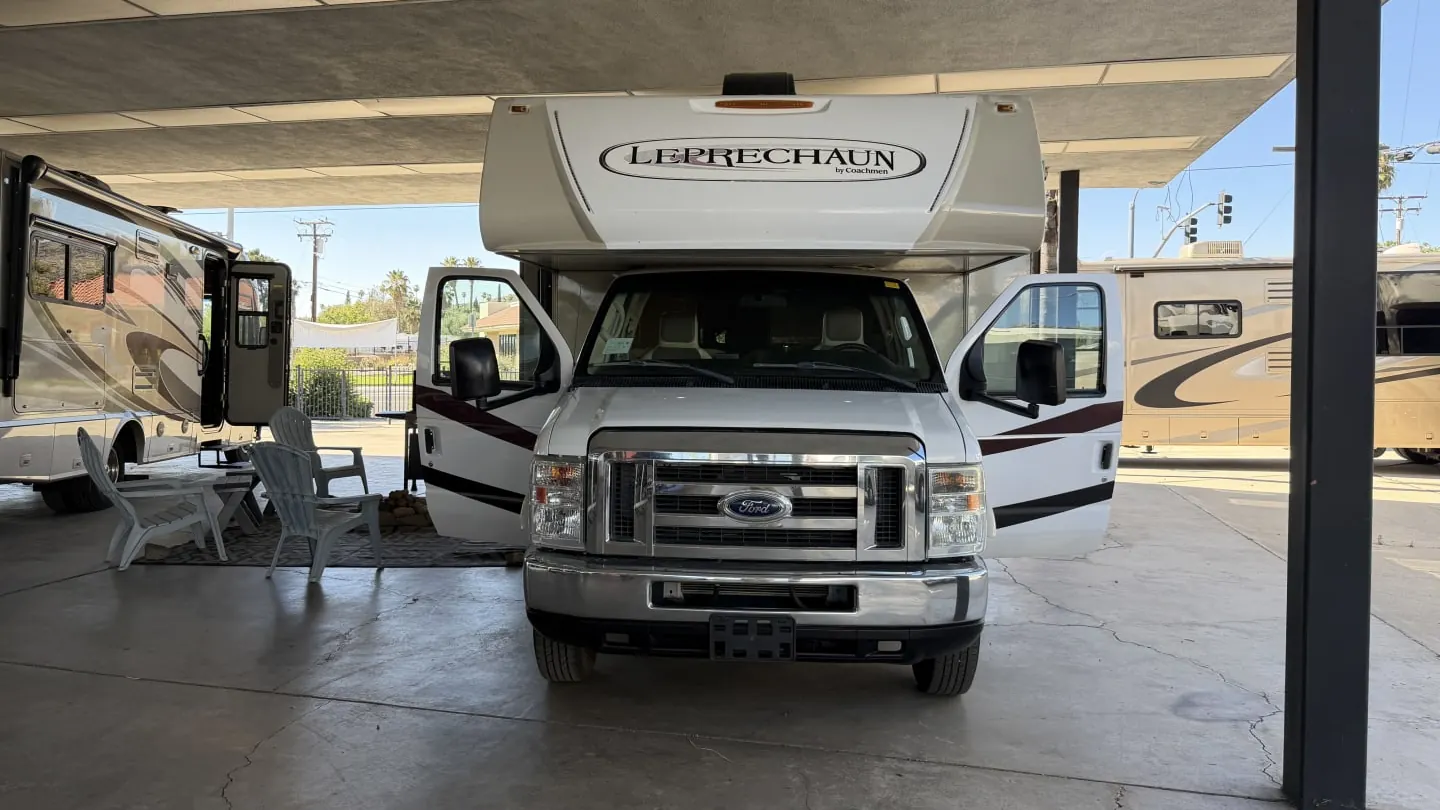
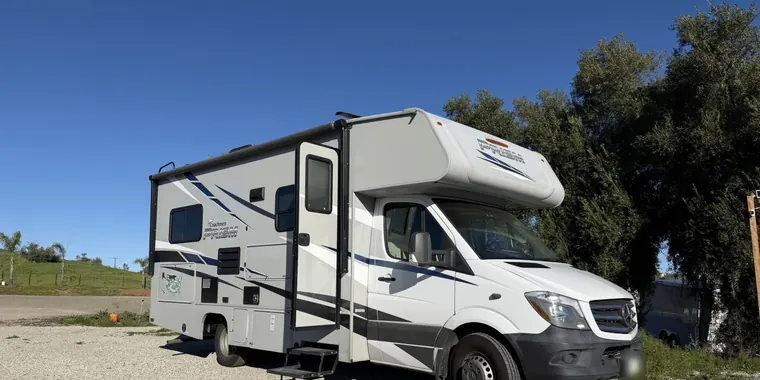
A Class C is the drivable unit most families ask for. It is small enough for most people to handle and has a bed over the cab. Renters pick it up and drive away, so your time per trip is lower.
But a stranger is now driving your engine, brakes and tires. Insurance tends to cost more, and wear shows up faster. Engine and chassis repairs can also take the unit off the market for weeks. The guide to choosing RVs for a rental fleet compares each class in more detail.
Tip: Get an insurance quote on the exact unit before you buy it. Age, class and value can change what coverage you can get. It is much cheaper to learn that before you own it.
Run It as a Real Business From Day One
One RV feels like a side project. Treat it like a business anyway. The owners who struggle are often the ones who mixed the rental with their personal life and could not tell what it earned.
- Separate money: Open a business bank account and card. Every deposit, fuel receipt and part goes through it.
- Proper coverage: A personal RV policy usually does not cover renting to strangers. Ask your insurance agent about rental use in writing. The insurance basics guide lists what to ask.
- A written agreement: Every renter signs one, even a friend of a friend. Use the rental agreement checklist and have an attorney review it for your state.
- Licenses and taxes: Ask your city, county and state what applies to you. Ask an accountant about business structure and rental taxes. The guide to licenses, LLCs and taxes lists who to call.
- Photos every time: Take dated photos at pickup and return. They settle most damage questions before they turn into arguments.
What One RV Can Realistically Earn
Earnings depend on your market, your season and what you paid for the unit. So here is a worked example, not a promise. Swap in your own numbers.
Example only. Say a Class C rents for $180 a night. It books 60 nights in a year, mostly in summer and on holiday weekends. That brings in $10,800 before any costs.
| Example Line | Example Amount |
|---|---|
| 60 nights at $180 | $10,800 |
| Marketplace and card fees at 15 percent | minus $1,620 |
| Insurance for the year | minus $2,400 |
| Repairs, tires and service | minus $1,500 |
| Cleaning, supplies and propane | minus $900 |
| Storage and registration | minus $1,200 |
| Left before any loan payment and your time | $3,180 |
Every figure in that table is made up to show the math. Your insurance, fees and repairs could be much higher or lower. If you owe money on the unit, the loan payment comes out of what is left. The example also does not pay you for your hours. It does not count wear that lowers the resale value either.
The lesson is simple. Nights booked matter more than the nightly rate. Ten more nights in this example adds $1,800 of income but only a little more cost. For a deeper look, read whether an RV rental business is profitable.
How Much Time Each Trip Takes
Plan on more hours than you expect, at least at first. Here is a rough list for one trip with a drivable unit.
- Before the trip: Answer questions, confirm dates, send the agreement and take payment. About an hour, spread over a few days.
- Pickup: Walk-around photos and the renter orientation. About an hour.
- During the trip: A call or two about the awning or the water heater. Keep your phone on.
- Return: Return photos and a check for damage. About 30 to 45 minutes.
- Turnover: Clean, dump tanks, restock and test the systems. Three to five hours.
A delivered towable adds the drive both ways. Time your first few trips and write the numbers down. The turnover checklist helps you get faster without skipping steps.
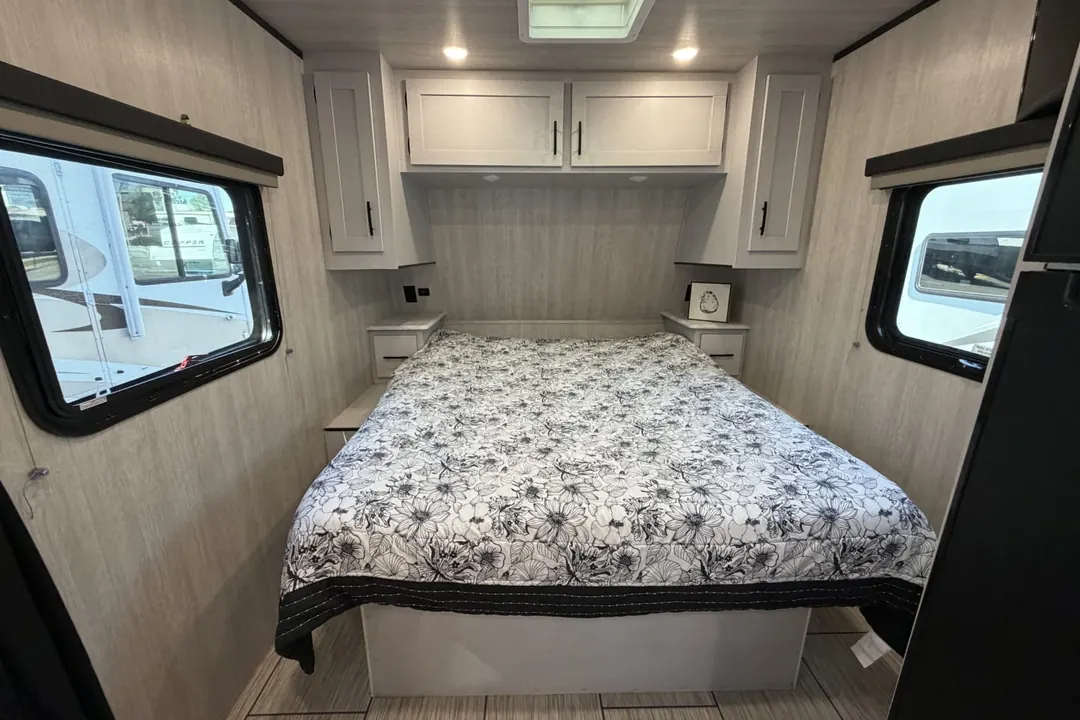
How to Fill the Calendar With One Unit
One unit has a small number of weekends to sell. Losing one to a slow reply hurts more than it would for a big fleet.
- Start where renters already look. A peer-to-peer rental marketplace brings early bookings and reviews. Read marketplaces vs direct bookings for the tradeoffs.
- Build your own name too. Set up a Google Business Profile with real photos. Ask every happy renter for a review.
- Answer fast. A renter who calls and gets voicemail calls the next listing. A quick text back often saves the lead.
- Fill the gaps. Offer a lower midweek rate or a shorter minimum stay in the shoulder months.
- Book repeat renters. Keep a list of past renters and reach out before next season.
The Systems Even One RV Needs
You do not need a big setup. You do need a few habits that do not depend on memory.
- One calendar: A single place that shows every booking, hold and turnover day. Two calendars lead to a double booking.
- Signed agreements: Sent and signed before pickup, stored where you can find them.
- Photo records: A set walk-around at every pickup and return. The walk-around checklist shows what to shoot.
- Payments and deposits: Taken before the keys leave your hand.
- Books by unit: Income and costs tracked for the RV, so you know what it earns.
Many one-unit owners run this on a phone, a notebook and a marketplace inbox. That works until it does not. RV Shop Desk keeps bookings, the calendar, agreements renters sign on their phone, walk-around photos, turnovers and payments in one place. It is priced per unit with a five-unit minimum, so a one-RV owner can email [email protected] to talk it over. The details are on the RV rental software page.
Mistakes That Sink a One-Unit Business
With one RV, a single bad month can wipe out a season. These are the mistakes that do the most harm.
- No cash cushion: A blown tire or a broken fridge can cost a lot and cancel a trip. Keep money set aside for repairs before you need it.
- Back-to-back bookings with no buffer: One late return or one messy unit and the next renter waits in your driveway.
- Skipping photos for a nice renter: Damage claims are about records, not trust.
- Pricing to match the cheapest listing: Your costs are your own. Price from them, not from a stranger's guess.
- No backup plan for breakdowns: Know who you will call and what you will refund. The breakdown playbook is a good start.
Also plan for the slow months. Your one unit still costs money in winter for insurance, storage and upkeep. Decide early whether you will winterize it or chase cold-weather trips.
Signs It Is Time for a Second RV
A great summer is not enough reason to buy. Look for signs that last.
- You turn away dates most weekends in your busy season.
- Your unit books well outside peak months too.
- Your per-unit books show a steady profit after repairs and insurance.
- Your turnover routine runs the same way every time.
- You have the time, or a helper, for twice the handoffs.
If most of these are true, work through when to add another RV. If you would need a loan, read financing RVs for a rental business first. Grow from your own numbers, and the second unit starts on firm ground.
Questions owners ask
Can I rent out my RV while I keep my day job?
Yes, and many one-unit owners do. The work bunches up around pickup and return days, so plan trips to start and end when you are free. A booking system that sends the agreement and takes payment for you keeps the weekday work small.
Should I buy an RV just to rent it out?
Run the numbers before you buy. Get an insurance quote on the exact unit, check what similar units rent for near you, and plan for slow months. If the math only works in a perfect summer, wait or pick a cheaper unit.
Is it better to list my one RV on a marketplace or book direct?
Most owners with one unit start on a peer-to-peer rental marketplace because it brings renters fast. Direct bookings keep more of each trip but take time to build. Many owners use both and move toward direct as reviews pile up.
Do I need an LLC for just one RV?
That is a question for an attorney or accountant, because the answer depends on your state and your situation. Ask them before your first renter, not after. Either way, keep a separate bank account for the rental.
How many nights a year does one RV need to rent to pay off?
It depends on your costs, your rate and whether you owe money on the unit. Add up your yearly fixed costs, then divide by what you keep from each night after trip costs. That tells you how many nights cover the year before you earn anything.
- How to Start an RV Rental Business: The First 90 Days
- Writing an RV Rental Business Plan a Lender Will Actually Read
- RV Rental Insurance: The Questions to Ask Before Your First Renter
- How to Rent Out Your RV: Marketplace, Direct or Both
- What It Costs to Start an RV Rental Business
- RV Rental Business Licenses, LLCs, Permits and Taxes