RV Rental Business Licenses, LLCs, Permits and Taxes
An RV rental business usually needs a business structure, a tax ID and the right state and local licenses, and it may owe rental or lodging taxes. The rules change by state, county and city, so the job is to ask the right offices the right questions before your first renter. This guide lists them.
By the RV Shop Desk team · · 6 min read
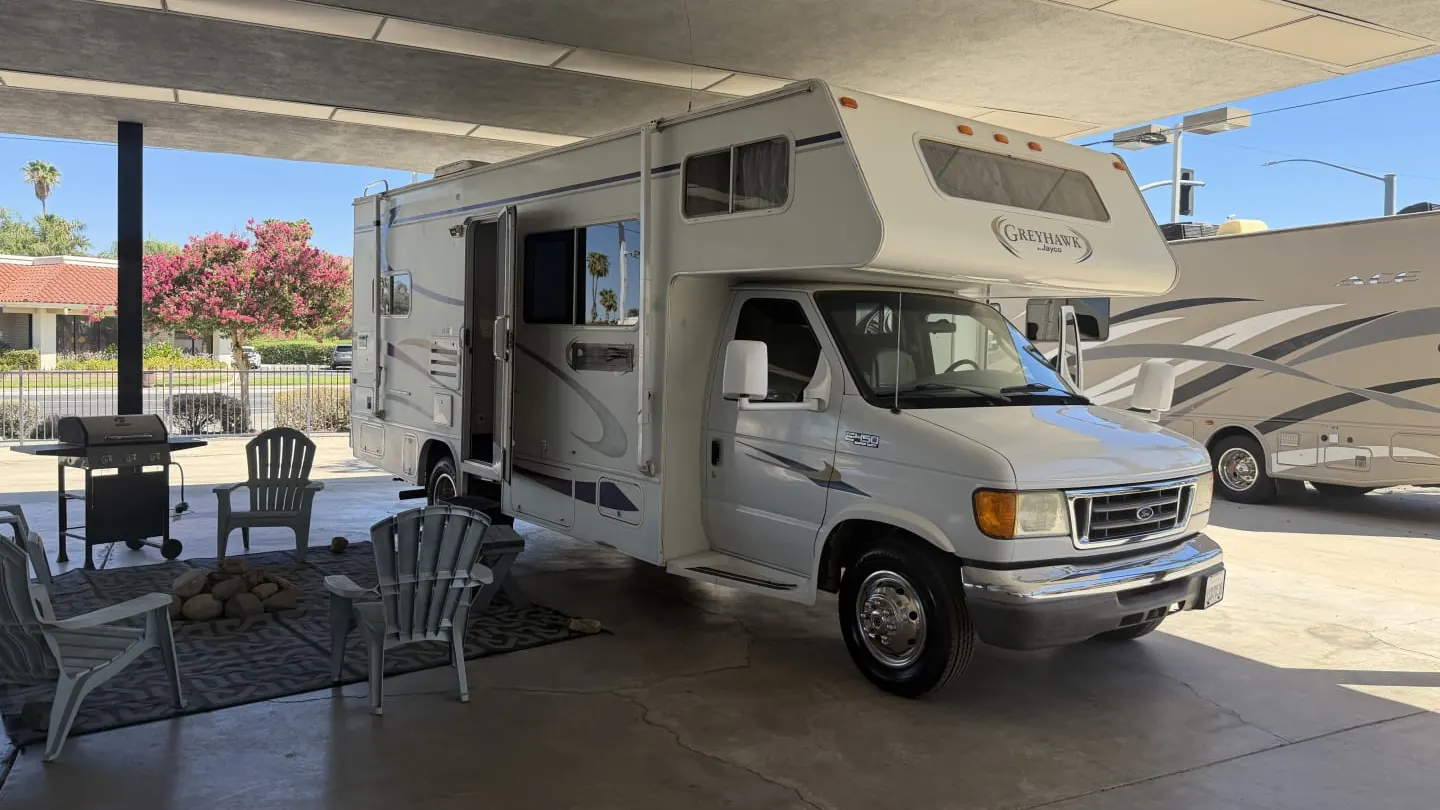
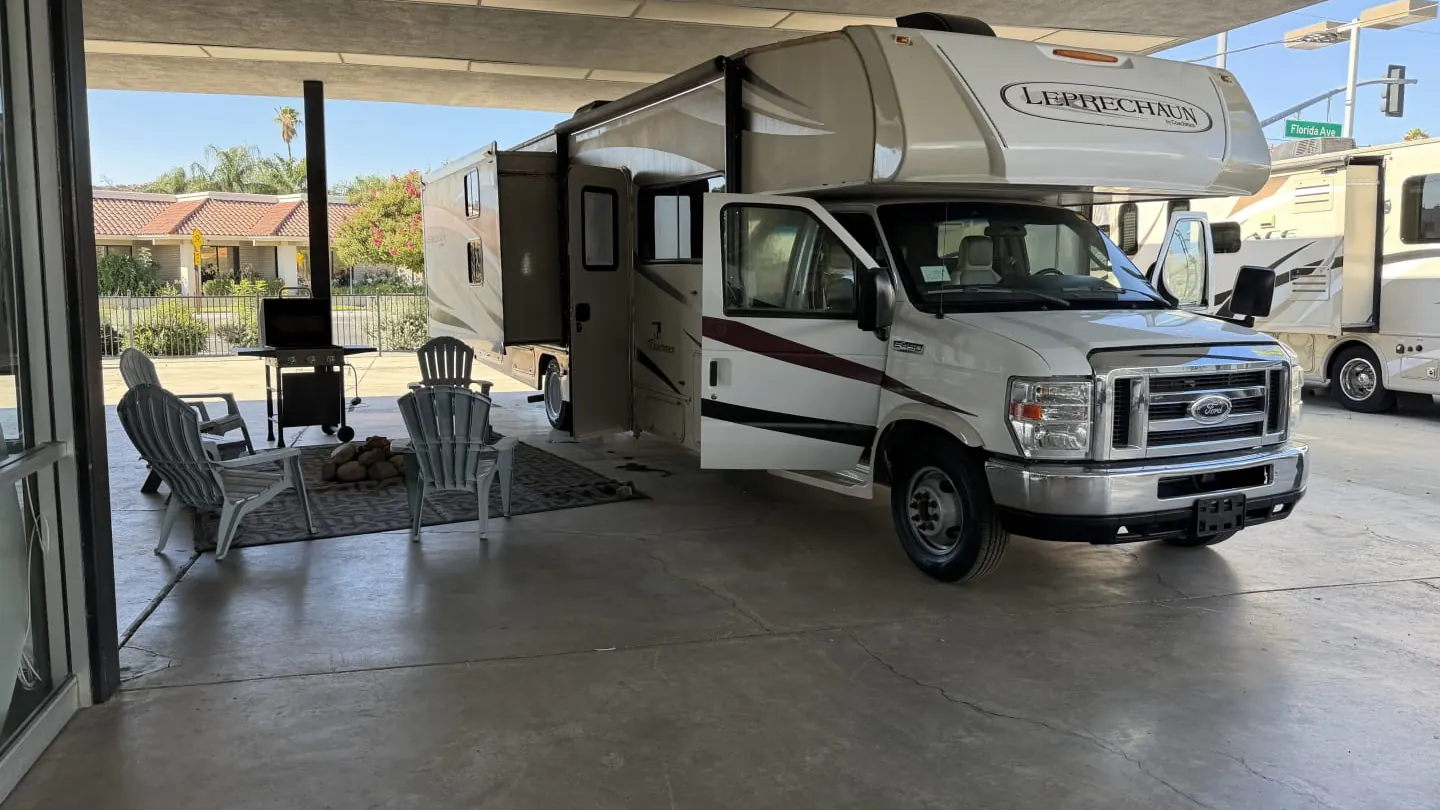
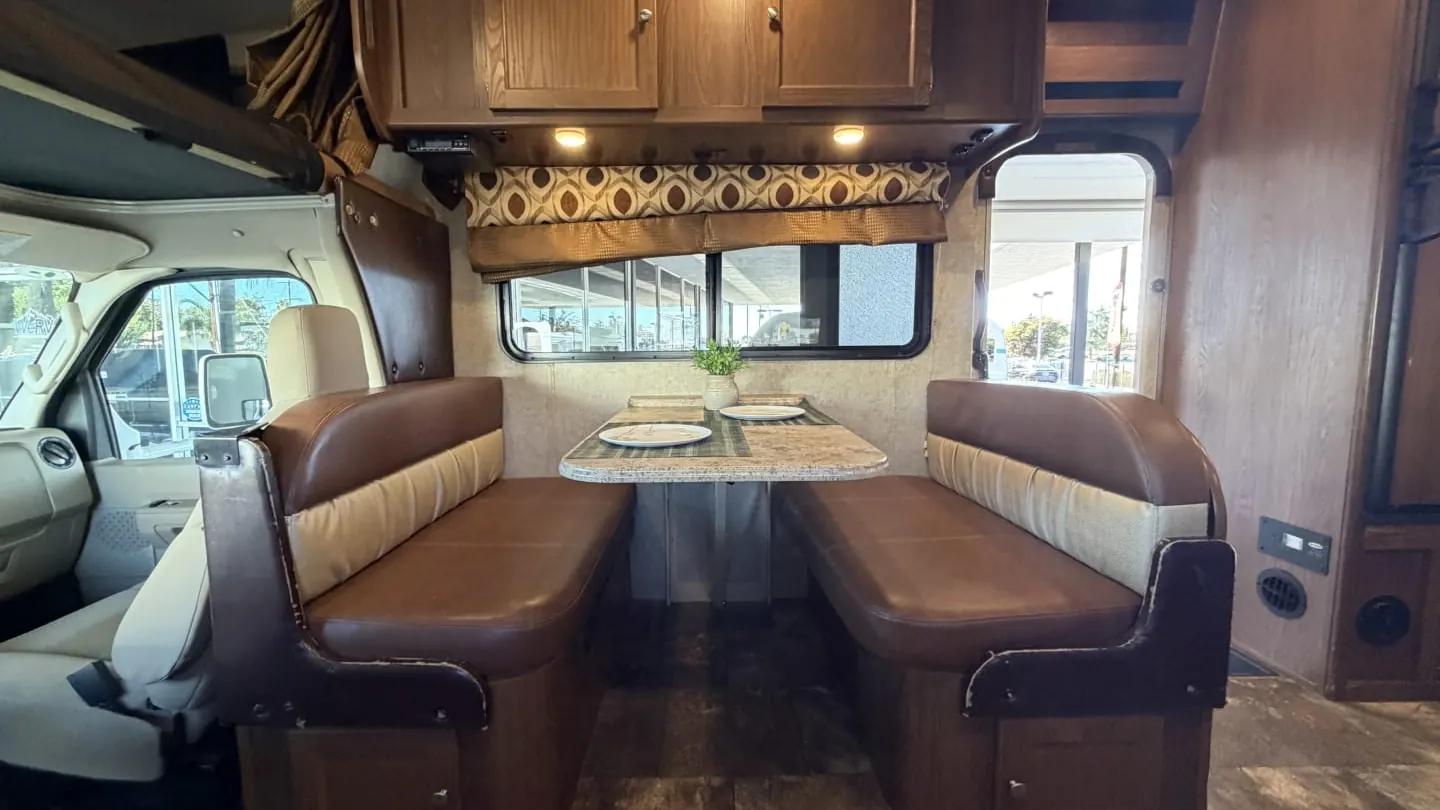
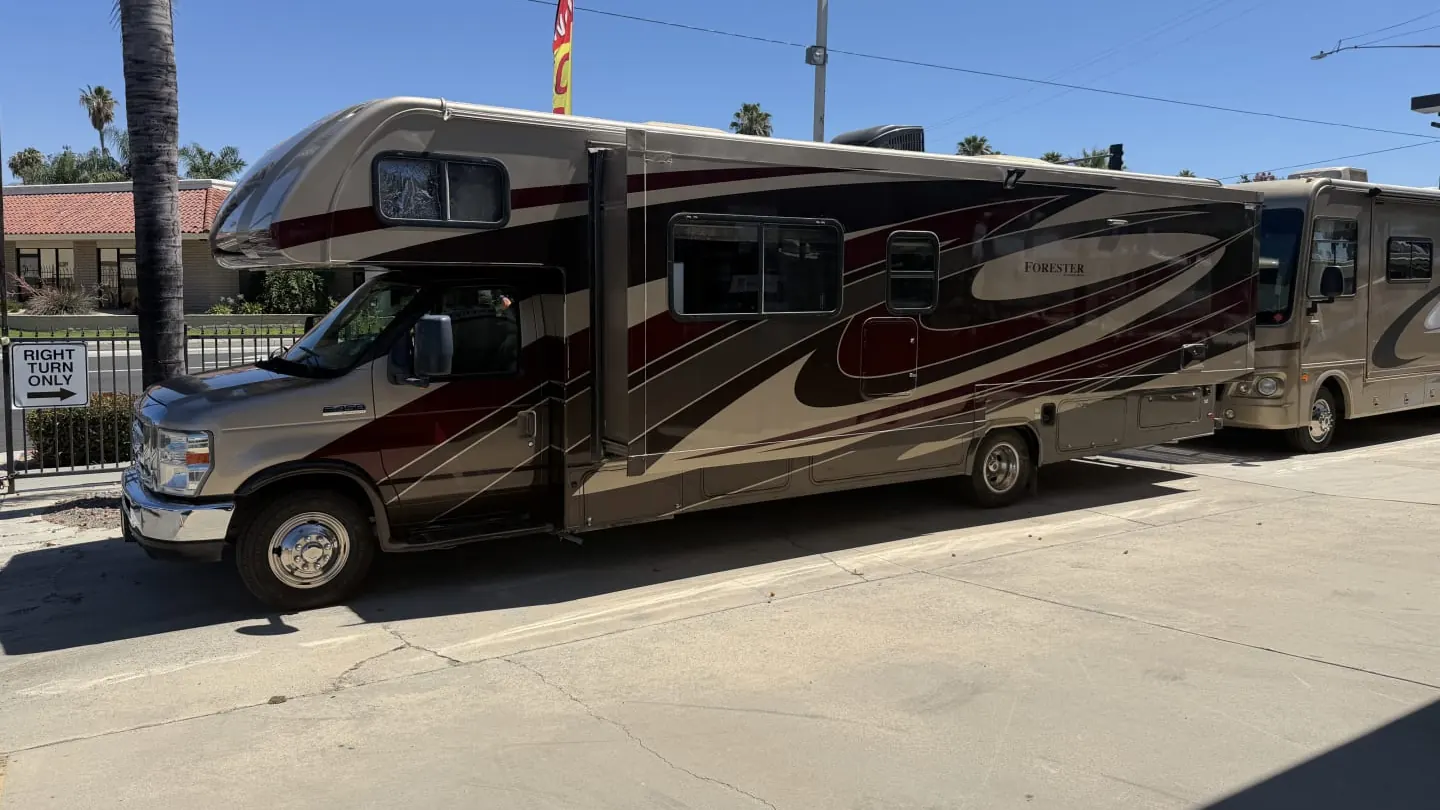 Real rental fleet photo
In this guide
- Choosing a Business Structure
- Getting a Tax ID
- State and Local Business Licenses
- Zoning and HOA Rules for Renting From Home
- Registration and Title Questions
- Sales, Rental and Lodging Taxes
- Income Tax and Depreciation Questions
- Record Keeping That Makes Tax Time Easy
- Check Again Every Year
- Who to Call and What to Ask
- Questions
Before you rent to anyone, sort out four things. You need a business structure, a tax ID, the licenses your state and town require, and a clear answer on which taxes apply to you. None of it is hard, but the rules change from place to place, so you have to ask.
This guide does not give legal or tax advice. It tells you what questions to ask and who can answer them. Your attorney, your accountant and your state and local offices have the final word for your location. For the full startup order, see how to start an RV rental business.
Choosing a Business Structure
Many RV rental owners form an LLC. Others run as a sole owner, a partnership or a corporation. Each choice changes how you pay taxes, what paperwork you file and how your personal money is protected. Which one fits you is a question for an attorney and an accountant.
Bring these questions to that meeting.
- Protection: What does each structure protect, and what does it not protect?
- Taxes: How will each option be taxed in my state, and what forms will I file?
- Cost: What does it cost to form and keep up each year?
- Ownership of the RV: Should the business own the unit, or should I own it and rent it to the business?
- Partners: If someone else puts in money, how should that be written down?
Tip: Ask your insurance agent the same question about who owns the RV. The name on the title can change what coverage you can get. Settle it with your attorney and agent together.
Getting a Tax ID
Most businesses get a federal tax ID number, called an EIN. You use it to open a business bank account, file business taxes and pay any workers. Ask your accountant whether you need one for your structure and whether your state wants its own number too.
Once you have it, open a business bank account right away. Run every rental payment and every expense through it. The bookkeeping guide shows how to track money by unit.
State and Local Business Licenses
Many states, counties and cities require a general business license. Some also have rules for vehicle rentals. You may need more than one license if you store units in one town and hand them off in another.
Call or visit these offices and ask.
- State business office: What do I need to register my business here?
- County clerk: Is there a county license or a name filing I need?
- City licensing office: Do I need a city business license, and does it cover vehicle rentals?
- Every office: How often do I renew, and what does it cost?
Write down who you spoke with and the date. If a rule changes later, you will know what you were told and by whom.
Zoning and HOA Rules for Renting From Home
Running rentals from your driveway is where many small owners get surprised. Some zoning rules limit businesses at a home address. Some limit how long an RV can sit in a driveway. An HOA may have its own rules on top of that.
Ask your city or county planning office these questions.
- Can I run a vehicle rental business from my home address?
- Can renters come to my home to pick up and drop off?
- Are there limits on parking or storing an RV on my property?
- Do I need a home business permit?
If you live in an HOA, read the rules and ask the board in writing. If the answers are no, a storage lot or delivery to the campsite may solve it. The guide to starting with one RV covers the delivery option.
Registration and Title Questions
An RV used for rentals may be treated differently from one used only for your own trips. Some states have commercial or rental registration rules. Some lenders limit how a financed RV can be used. Your insurer may also care whose name is on the title.
- Motor vehicle office: Does renting this RV change how it must be registered or plated?
- Lender: Does my loan allow rental use? Read the terms and ask in writing.
- Insurance agent: Does the name on the title match what the policy needs?
- Attorney: Should the title move into the business name?
If you are still shopping for a loan, read financing RVs for a rental business. For coverage questions, see what to ask your insurance agent.
Sales, Rental and Lodging Taxes
Some states and towns charge tax on vehicle rentals. Some charge lodging or stay taxes on places people sleep. Others charge neither. An RV is both a vehicle and a place to sleep, so the answer is not always clear. Do not guess.
Ask your state tax agency and your accountant these questions.
- Do I need a sales tax or rental tax permit?
- Is my rental taxed as a vehicle, as lodging, as both or as neither?
- Does it matter where the renter picks up, or where they camp?
- Are delivery fees, cleaning fees and add-ons taxed too?
- If a marketplace collects tax on some bookings, what is still on me?
- How often do I file, and when is it due?
Get these answers before you set prices. If a tax applies, you need to know whether to add it on top or build it in. The pricing guide shows how to work from your real costs. And the marketplaces vs direct bookings guide explains how the two booking paths differ.
Income Tax and Depreciation Questions
Rental income is income, and an RV is a large purchase that loses value over time. How that shows up on your taxes is a question for your accountant. Bring these to your first meeting.
- How should I report rental income for my structure?
- Can I depreciate the RV, and over how many years?
- What happens if I also use the RV for my own trips?
- Which costs can I count, such as insurance, repairs, storage and fees?
- Should I pay estimated taxes during the year?
- What happens to my taxes when I sell the unit?
Personal use is worth a careful talk. Mixing your family trips with rental use can change how things are treated. Ask before your first summer, not after.
Record Keeping That Makes Tax Time Easy
Good records make every question above easier to answer. They also help if anyone ever asks you to prove a number.
- Every booking: Dates, renter, price, fees, taxes collected and payment method.
- Every expense: A receipt, the date, the unit it was for and what it was.
- Every trip: Miles, generator hours and a signed agreement.
- Personal use: Dates you used the RV yourself, written down as they happen.
- Licenses and permits: Copies, renewal dates and who you spoke with.
Keep damage photos with the trip too. The walk-around checklist shows a photo routine that holds up. If you hire help, read hiring and payroll for RV businesses before the first paycheck.
RV Shop Desk keeps bookings, signed agreements, walk-around photos and payments in one place, with accounting and payroll built in. It costs $9 per rental unit a month with a five-unit minimum, and smaller fleets can email [email protected]. See the accounting and payroll page for how the books fit in.
Check Again Every Year
Rules and rates change. A town can add a new tax, and a state can change how it treats rentals. Your own setup changes too, when you add a unit, hire help or move where you store the RVs.
Set a date each year, before your busy season, to renew licenses and ask your accountant what has changed. Ask again any time you grow into a new town or add a new kind of unit.
Who to Call and What to Ask
Use this table as your checklist. Work through it before your first renter, and keep notes on every answer.
| Who to Call | What to Ask |
|---|---|
| Attorney | Which business structure fits me, and should the business own the RV? |
| Accountant | How will I be taxed, can I depreciate the RV, and what records do you need? |
| State business office | How do I register the business here? |
| State tax agency | Do I need a sales, rental or lodging tax permit? |
| County clerk | Is there a county license or name filing? |
| City licensing office | Do I need a city license for vehicle rentals? |
| Planning or zoning office | Can I run rentals from my home address? |
| HOA board | Do our rules allow an RV rental business here? |
| Motor vehicle office | Does rental use change registration or plates? |
| Lender | Does my loan allow rental use? |
| Insurance agent | Does my policy cover rental use, and whose name must be on the title? |
Once these answers are in hand, write them into your RV rental business plan and your startup cost budget. Then set up your agreement with the rental agreement checklist.
Questions owners ask
Can I just use my own name and skip the paperwork?
Some people start that way, but it can leave your personal money exposed and make taxes harder. Ask an attorney what risk you carry without a separate entity. Ask an accountant how it changes your taxes before you decide.
Do I charge renters tax on top of the rental price?
It depends on where you operate and how the rental is set up. Some places tax vehicle rentals or overnight stays and some do not. Ask your state tax agency and your accountant, and get the answer before you set prices.
Does a peer-to-peer rental marketplace handle the taxes for me?
Some marketplaces collect certain taxes in certain places, and some do not. Read the marketplace terms and ask your accountant what is still on you. Direct bookings are almost always your job to handle.
When should I talk to an accountant?
Before you buy a unit if you can, and at least before your first renter. Choices about the entity, how you buy the RV and how you track costs are easier to set up right than to fix later.
What happens if I rent out an RV without a license?
That depends on your city, county and state, so ask them directly. Fines, back taxes or a forced pause are all possible in some places. It is far easier to ask first than to explain later.
- How to Start an RV Rental Business: The First 90 Days
- Writing an RV Rental Business Plan a Lender Will Actually Read
- RV Rental Insurance: The Questions to Ask Before Your First Renter
- How to Rent Out Your RV: Marketplace, Direct or Both
- What It Costs to Start an RV Rental Business
- Starting an RV Rental Business With One RV