What It Costs to Start an RV Rental Business
Starting an RV rental business can cost a few thousand dollars with an RV you already own, or tens of thousands for a small fleet. The units, insurance and a cash reserve are the big costs. Everything else is smaller, but it adds up fast.
By the RV Shop Desk team · · 6 min read
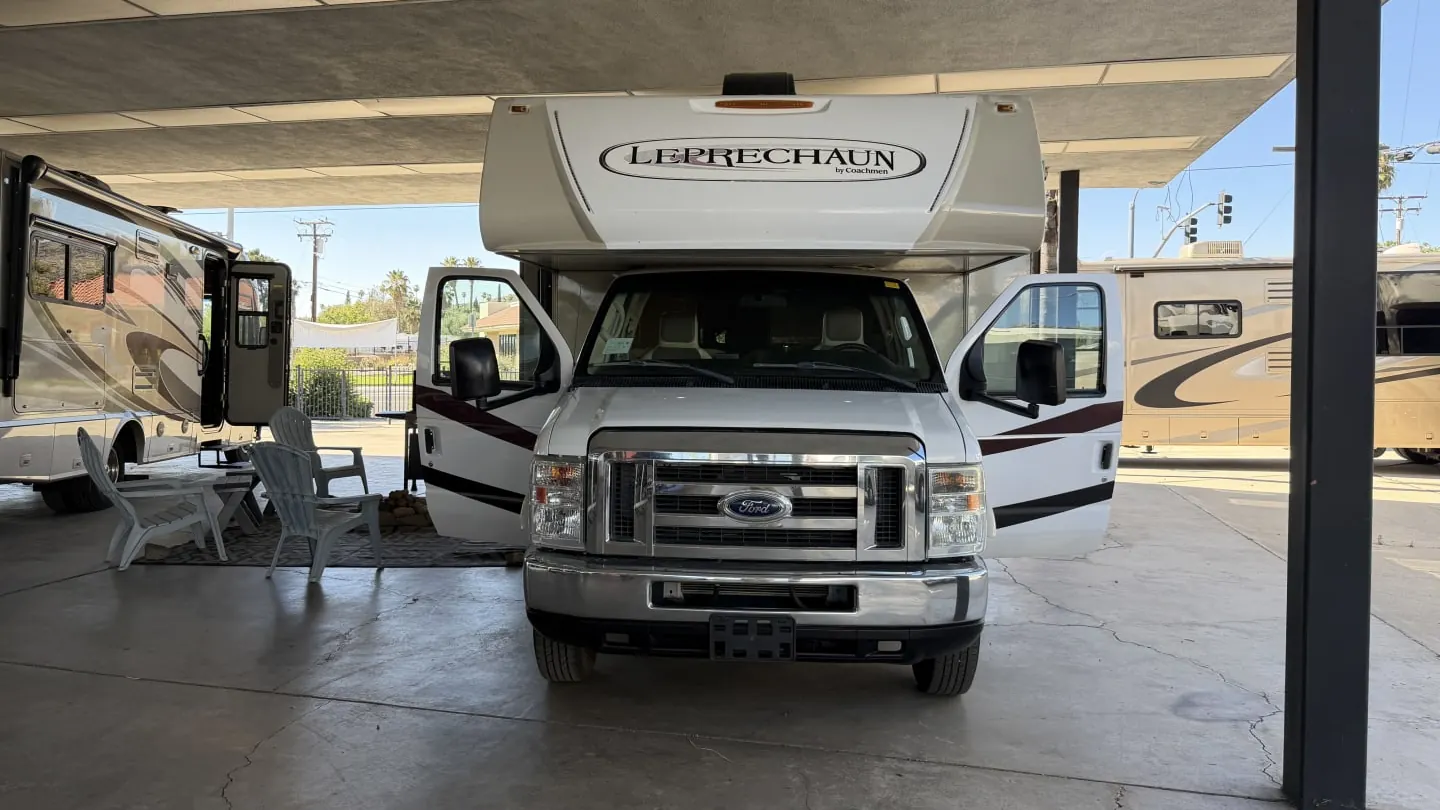 Real rental fleet photo
In this guide
- The Units Themselves
- Rental Insurance
- Registration and Title
- Business Entity and Licenses
- First Service and Repairs
- A Supplies Kit for Each Unit
- Cleaning
- Storage or a Lot
- Website and Marketing
- Software
- A Cash Reserve for Slow Months
- An Example Startup Budget
- How to Keep Startup Costs Down
- What to Do Next
- Questions
Starting an RV rental business can cost a few thousand dollars if you already own the RV, or tens of thousands for a small fleet. The units, insurance and a cash reserve are the big costs. The rest are smaller, but they add up.
This guide goes through each cost in turn, then puts them together in an example budget. The numbers are examples only. Real costs vary a lot by region, RV class, age, and your lender and insurer. Use the list to build your own budget with real quotes. If you have not planned the business yet, start with how to start an RV rental business.
The Units Themselves
The RVs are the biggest cost by far. You can pay cash, finance them, or start with one you already own. Each choice changes how much you need on day one.
- Paying cash: The whole price comes up front, but no monthly payment eats into your margin.
- Financing: You need a down payment, often a real share of the price. Then you owe a payment every month, booked or not.
- Using your own RV: This is the lowest startup cost. You still need rental coverage and a full service.
Class matters too. A used travel trailer often costs far less than a used Class C motorhome. It has no engine to fix. But you may need a truck to deliver it. Ask your lender whether rental use is allowed under the loan. Financing RVs for a rental business covers the questions to ask. Which RVs to buy for a rental fleet helps you pick units that hold up.
Rental Insurance
Insurance is often the second biggest cost, and the one that surprises people most. A personal RV policy usually does not cover renting to strangers. You need a policy written for rental or business use. The price depends on the unit's class, age and value, your state, and your claims history. Some insurers will not cover older units at all.
Get quotes before you buy a unit. Ask what the first payment is and whether you can pay monthly. The questions to ask are in what to ask your insurance agent before your first renter.
Registration and Title
Buying a unit means a title transfer, registration and plates. In many states you also pay sales tax on the purchase. On a motorhome that tax can run into the thousands. Some states charge different fees for vehicles used in a business. Call your state's motor vehicle office and ask what applies to a rental unit.
Business Entity and Licenses
Most owners form an entity to keep the business apart from their personal life. State filing fees vary. Add the cost of an attorney to set it up and review your rental agreement. Then check for local licenses. Your city or county may require a business license. Some areas limit vehicle rentals from a home address. Ask your state and local licensing offices. Have your accountant check for sales, rental or lodging taxes. The guide to RV rental licenses and taxes lists who to call.
First Service and Repairs
Every unit needs a full service before its first renter. Even a clean used RV can hide worn tires, weak batteries or a slow roof leak. Budget for tires by date code, not just tread. Check the brakes, seals, water heater, fridge, furnace and air conditioner. A motorhome also needs engine and generator work.
Keep a repair cushion on top of this. Something will turn up. Then follow a maintenance schedule for rental units so small problems stay small.
A Supplies Kit for Each Unit
Renters expect some gear to come with the RV. Plan one kit per unit.
- Setup gear: Sewer hose, gloves, water hose, pressure regulator, leveling blocks and wheel chocks.
- Safety: Fire extinguisher, first aid kit and road flares.
- Kitchen: Pots, pans, dishes, cups and basic utensils.
- Extras: Bedding, towels and camp chairs, whether you include them or rent them as add-ons.
- Spares: Fuses, bulbs and a small tool bag.
Cleaning
Each unit needs a deep clean before its first trip. After that, you clean between every rental. Budget for supplies, and for paid help if you will not do it yourself. Time spent cleaning is a real cost even when you do the work. Your turnover checklist shows how long each clean takes.
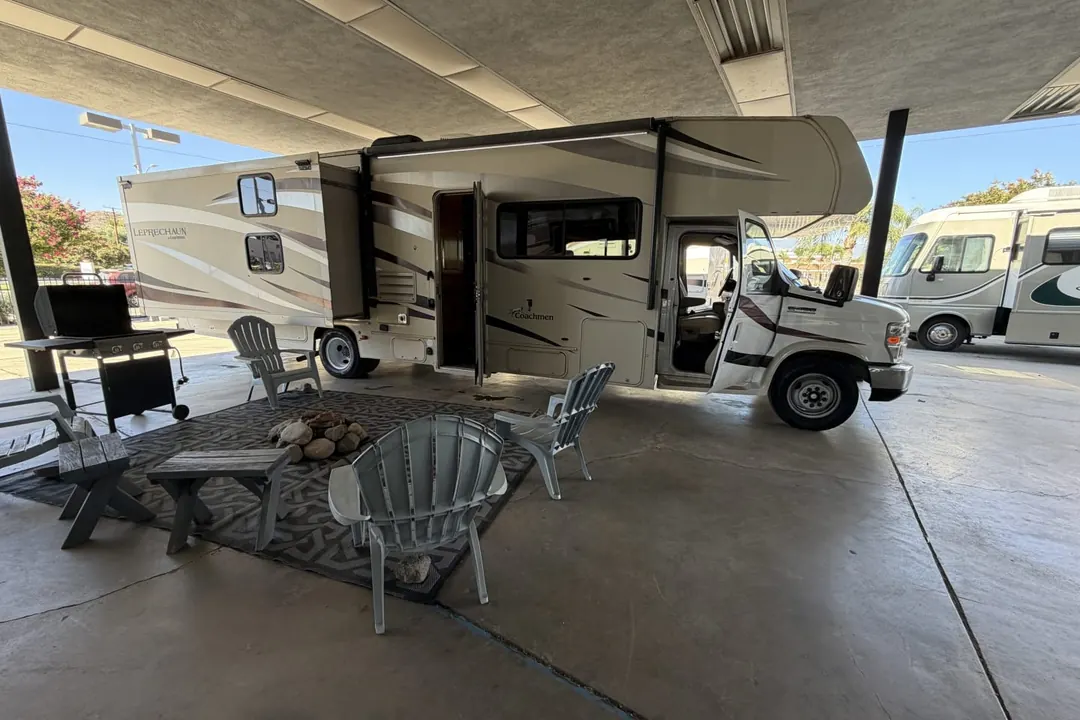
Storage or a Lot
You need a place to keep the RVs between trips. Your own land is cheapest if zoning allows it. Otherwise you will pay monthly for a storage lot. Covered spots cost more but save wear on roofs and seals. Ask the lot whether renters may pick up there. Some lots do not allow it.
Website and Marketing
Renters need a way to find you and book. That means a website that takes bookings, good photos, and a free business profile in local search. A marketplace listing costs nothing up front, but it takes a share of each booking. Some owners pay a photographer for their first photo set. That money usually comes back in bookings.
Software
You can start with a notebook and a spreadsheet. Most owners outgrow that fast. Rental software keeps the calendar, agreements, photos and payments together. You stop double booking and chasing paperwork. Monthly prices vary a lot, and some tools charge per unit. How to choose RV rental software lists what to compare.
A Cash Reserve for Slow Months
This is the cost people skip, and it is the one that sinks new businesses. Bookings rarely start strong. The first season may be slow while you earn reviews. Winter may bring almost nothing in many areas. Your loan, insurance and storage bills still come due.
Set aside enough to cover several months of payments, insurance and storage with no bookings at all. Three to six months is a common target. Keep it in its own account. Do not spend it on upgrades.
An Example Startup Budget
Here is an example for a small start with two used units. One is a travel trailer bought with cash. The other is a Class C motorhome with a loan. The ranges are wide on purpose. They are not a promise or a quote. Your numbers depend on your region, the class and age of your units, and your lender and insurer.
| Cost | Example range | What drives it |
|---|---|---|
| Units (trailer paid in cash, down payment on a Class C) | $15,000 to $40,000 | Class, age, condition, loan terms |
| Rental insurance, first payment | $1,500 to $5,000 | Unit value and age, state, coverage limits |
| Registration, title and sales tax on purchase | $500 to $4,000 | State rules and purchase price |
| Entity, licenses and attorney review | $500 to $2,500 | State fees and local rules |
| First service and repairs | $1,000 to $5,000 | Tires, batteries, roof, engine work |
| Supplies kits for two units | $600 to $1,600 | What you include and add-ons |
| Cleaning supplies and first deep clean | $200 to $800 | Doing it yourself or hiring help |
| Storage, first three months | $300 to $1,500 | Your own land, open lot or covered spot |
| Website, photos and first marketing | $500 to $3,000 | Doing it yourself or hiring it out |
| Software, first months | $0 to $300 | Free trials and pricing per unit |
| Cash reserve, three to six months | $3,000 to $12,000 | Loan payments, insurance and storage |
| Example total | About $23,000 to $76,000 | Region, class, age and how much you do yourself |
The low end assumes older, cheaper units and doing most of the work yourself. The high end assumes newer units, paid help and more marketing. Get real quotes for each line before you commit. Then put the totals into your RV rental business plan.
How to Keep Startup Costs Down
- Start with one unit, ideally one you already own. Starting an RV rental business with one RV shows how.
- Get insurance quotes before you buy, so you never own a unit you cannot cover.
- Buy units that are simple to fix and common in your area.
- Do the first deep clean and build the supplies kits yourself.
- List on a peer-to-peer rental marketplace first while you build your own site and reviews.
Tip: Before you buy, ask your insurance agent to quote the exact year, make and class you plan to buy. A cheap older unit is not cheap if nobody will insure it for rentals.
What to Do Next
Startup cost is only half the question. The other half is whether the units will earn it back. Work through whether an RV rental business is profitable with your own numbers before you buy.
When you are ready to run trips, RV Shop Desk keeps bookings, the calendar, agreements renters sign on their phone, walk-around photos, turnovers and payments in one place. It costs $9 per rental unit a month with a five-unit minimum, and the first 30 days are free. Smaller fleets can email [email protected]. The details are on the RV rental software page.
Questions owners ask
Can I start an RV rental business with no money down?
It is hard. Lenders usually want a down payment, and insurers want the first premium up front. The lowest-cost start is renting an RV you already own, once your insurance covers rental use.
Is it cheaper to start with a travel trailer or a motorhome?
A travel trailer usually costs less to buy, insure and repair, because it has no engine. You may need a truck to deliver it. A motorhome costs more but rents to people who do not own a tow vehicle.
Should I buy RVs new or used for a rental fleet?
Used units cost less up front but may need more repairs, and some insurers limit coverage on older units. New units cost more and lose value fast in the first years. Get insurance quotes on the exact unit before you choose.
How much cash should I keep in the bank when I start?
A common target is enough to cover three to six months of loan payments, insurance and storage with no bookings at all. That carries you through a slow start or a big repair. Your accountant can help you set the right number.
What startup costs do new owners forget?
Sales tax and registration on the purchase, the first round of repairs, and a supplies kit for each unit are the usual surprises. Many also forget storage and the slow months before bookings pick up.
- How to Start an RV Rental Business: The First 90 Days
- Writing an RV Rental Business Plan a Lender Will Actually Read
- RV Rental Insurance: The Questions to Ask Before Your First Renter
- How to Rent Out Your RV: Marketplace, Direct or Both
- Starting an RV Rental Business With One RV
- RV Rental Business Licenses, LLCs, Permits and Taxes