How to Rent Out Your RV: Marketplace, Direct or Both
Yes, renting out your RV can pay its own way if you settle insurance first and price from your real costs. List on a peer-to-peer rental marketplace to get found, add direct bookings to keep more of each trip, and run every rental with an agreement, a deposit and photos.
By the RV Shop Desk team · · 7 min read
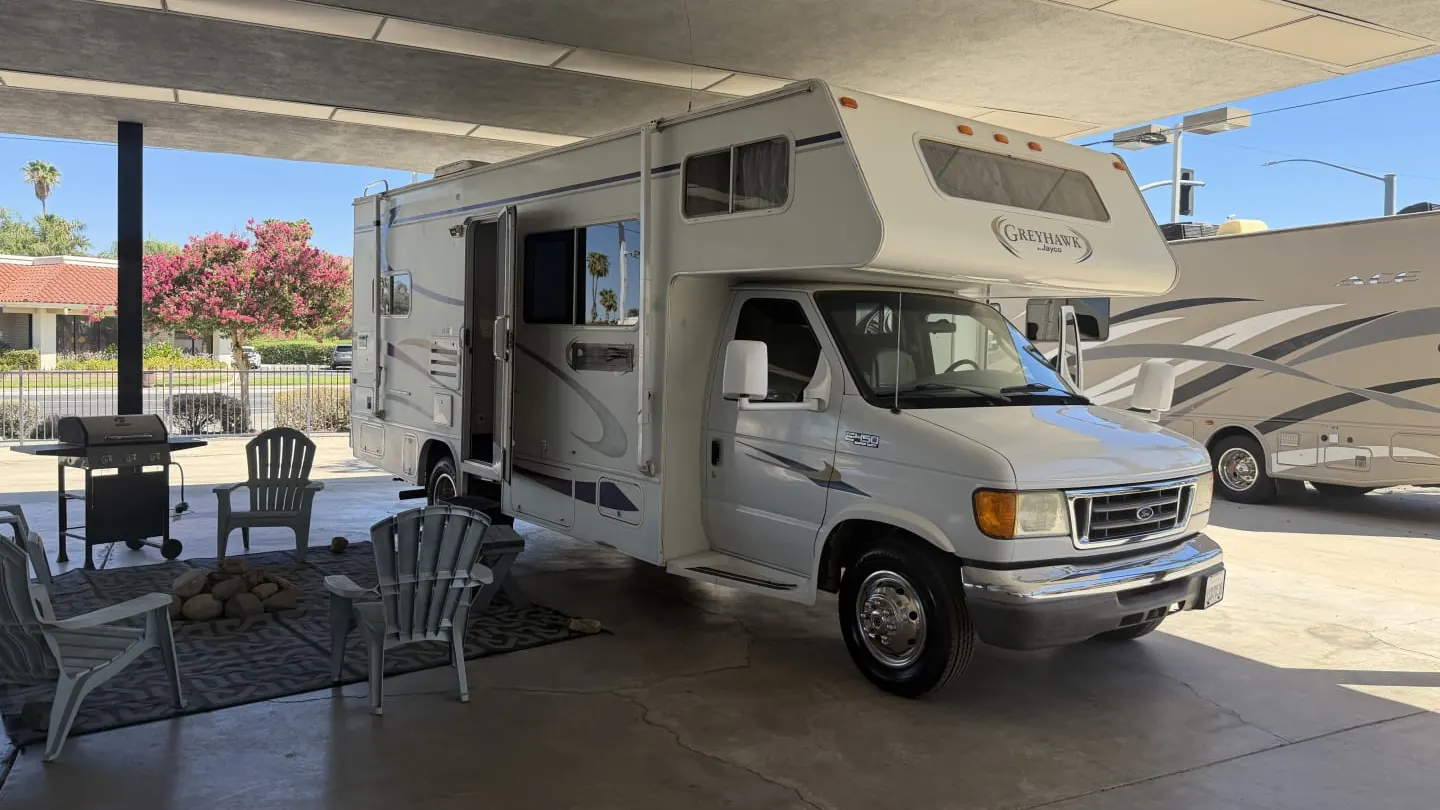 Real rental fleet photo
In this guide
- Is Renting Out Your RV Worth It?
- Settle Insurance Before Anything Else
- Get the RV Rent-Ready
- Price It From Your Costs
- Marketplace, Direct or Both
- Use a Written Agreement and a Deposit
- The Handoff and the Walk-Around Photos
- Turnovers Between Trips
- Getting Paid
- Ask Your Accountant About Taxes
- When It Becomes a Business
- Questions
You rent out your RV by getting rental coverage first, making the unit ready for strangers, and pricing from your real costs. Then you take bookings through a marketplace, your own site, or both. Done in that order, one RV can pay its own way and then some.
This guide is for owners with one RV who want it to earn. It walks through each step in the order that saves the most trouble. If you plan to grow past one unit, read how to start an RV rental business after this.
Is Renting Out Your RV Worth It?
It can be. It depends on how often the RV rents, what it costs you to own, and how much time each trip takes. An RV that sits in storage still costs money. Payments, insurance, storage and aging tires add up whether it moves or not. Rental income can cover those costs. A busy unit can do more than that.
Here is a simple way to think about it. Add up what the RV costs you each year. Then guess how many nights it could rent in your area. Divide the cost by the nights. That is the nightly rate you need just to break even.
For example, say your yearly costs come to $9,000 and you think it can rent 60 nights. You need $150 a night before you make a dollar. If similar RVs near you rent for $175 to $250 a night, the math may work. If they rent for $120, it may not. These numbers are only an example. Yours depend on your unit, your region and your season.
Wear and tear is real, too. Renters put miles, hours and scuffs on your RV. Some owners decide they would rather keep it for their own trips. That is a fine answer. The goal is to decide with numbers, not hope.
Settle Insurance Before Anything Else
This step comes first because it can stop everything else. Most personal RV policies do not cover renting the unit to someone else. Many owners learn that when they file their first claim.
Call your insurance agent and say plainly that you want to rent the RV out. Then ask these questions.
- Rental use: Does the policy cover the RV while a renter has it?
- Liability: What limits apply if a renter hurts someone or damages property?
- Physical damage: Is the RV covered for collision, theft, hail and fire during a rental?
- Roadside help: Who tows a stuck motorhome, and who pays for it?
- Your duties: Does the policy require driver age limits, license checks, signed agreements or photos?
Some peer-to-peer rental marketplaces include coverage for trips booked through them. Read what it covers and what it leaves out. That coverage usually does not apply to trips booked anywhere else. Direct bookings need their own policy. Get every answer in writing. The full list of questions is in what to ask your insurance agent before your first renter.
If you still owe money on the RV, call your lender too. Some loans limit rental use. Ask before you list.
Get the RV Rent-Ready
A renter does not know your RV's quirks. Anything you have learned to work around will become a phone call during their trip. So fix the small things now.
- Service: Check the roof and seals, brakes, batteries, tires and tire date codes. Test the water heater, furnace, fridge, air conditioner, propane and generator.
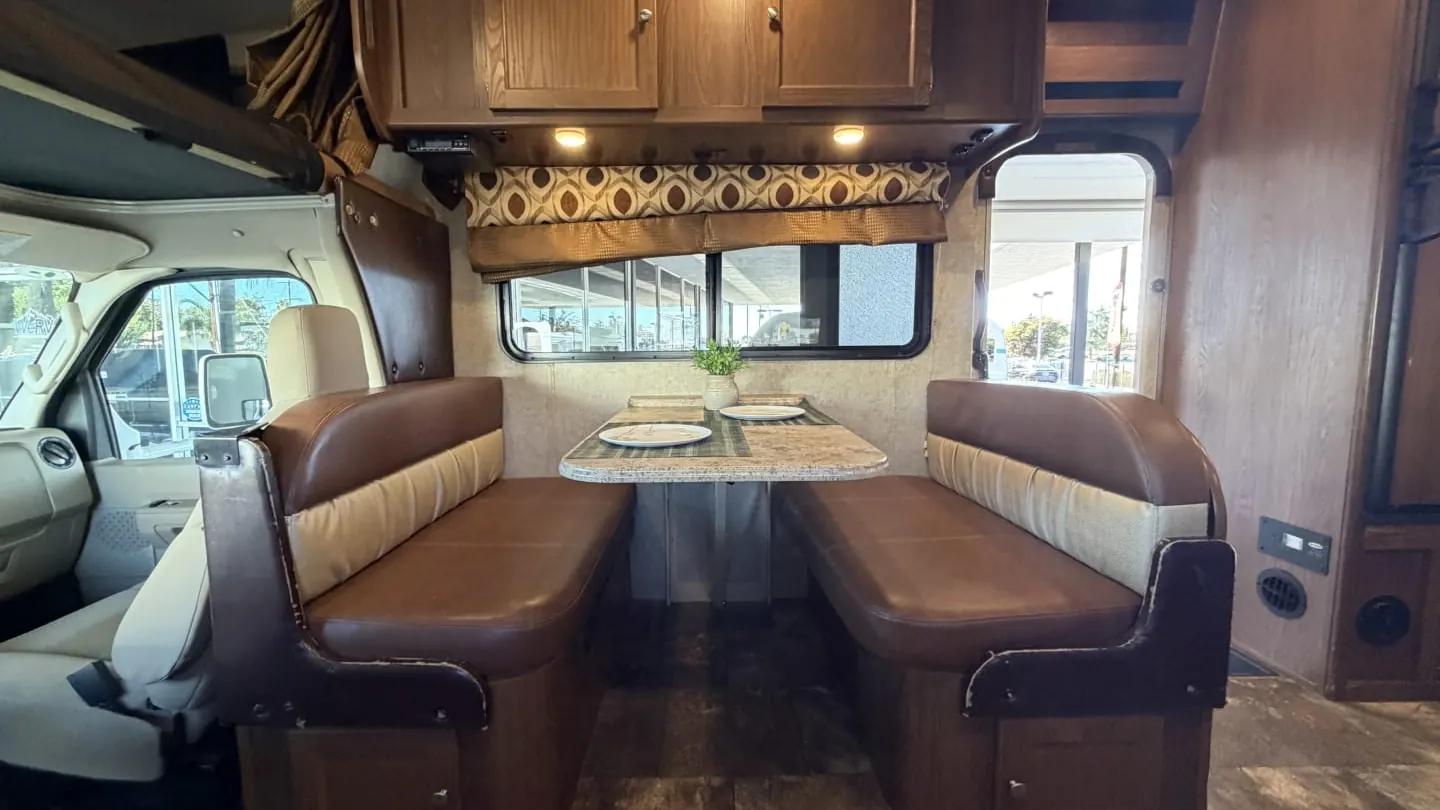
- Clean: Deep clean it like a hotel room. Renters notice hair, smells and stains before anything else.
- Stock: Pack a basic kitchen kit, a sewer hose and gloves, a water hose, leveling blocks, wheel chocks, a fire extinguisher and a first aid kit.
- Guide: Print a short quick-start guide with photos of the control panel, the dump valves and the water pump switch.
- Clear out: Remove your personal items. Lock away anything you would hate to lose.
Then put the RV on a maintenance schedule for rental units. Renters wear parts faster than your own trips do.
Tip: Take your RV out for one night as if you were the renter. Use only your quick-start guide. Anything that confuses you will confuse them.
Price It From Your Costs
Start with your break-even rate from the example above. Then look at what similar RVs near you charge. Price close to the market, but never below your costs.
Your price has more parts than a nightly rate.
- Nightly rate: Higher in peak season and on holidays, lower in slow months.
- Minimum stay: Two or three nights keeps you from cleaning after every single night.
- Mileage and generator fees: A daily allowance, then a set rate for extra miles or hours.
- Cleaning and dump fees: Charged when the RV comes back dirty or with full tanks.
- Add-ons: Delivery, bedding, a bike rack or a pet fee.
The full method is in how to price RV rentals by night, season and mile.
Marketplace, Direct or Both
You have three ways to get bookings. Each one trades reach for control.
List on a Marketplace
A peer-to-peer rental marketplace puts your RV in front of people who are already shopping. That is its big strength. It often handles payment and may include some trip coverage. In return, it takes a cut of each booking. It also sets rules on cancellations, reviews and how you talk to renters. You build its name more than your own.
Take Direct Bookings
Direct bookings come from your own website, your phone and past renters. You keep more of each trip and set your own rules. You also keep the renter's contact details, so you can invite them back. The catch is that you must bring renters in yourself. You also need your own insurance, agreement and way to take payment. A simple website that takes bookings is the core of this path.
Do Both
Most owners with one RV start on a marketplace to get found and earn reviews. Then they add direct bookings as repeat renters and referrals grow. The risk with both is a double booking. Keep one calendar as the master. Block the dates everywhere else the moment a trip is booked. The tradeoffs are laid out in balancing rental marketplaces and direct bookings.
Use a Written Agreement and a Deposit
Every renter signs an agreement before they get the keys. That goes for a stranger and for a friend of a friend. The agreement says who can drive, where the RV can go, and what the mileage and generator limits are. It covers pets, smoking, late returns, cancellations and damage. Have an attorney in your state review it. The rental agreement checklist lists each clause to include.
Take a security deposit too. Decide the amount, when you collect it, and how many days after return you refund it. Write down how you will handle a damage claim before you ever need to. How to handle deposits and damage claims fairly walks through a fair process.
The Handoff and the Walk-Around Photos
Pickup is where most disputes are won or lost. Walk around the RV with the renter and take photos of every side. Get the roof if you can reach it, plus the tires, the awning, the inside and each gauge. Photos with a date and time settle most arguments before they start.
Use the same walk-around inspection checklist at pickup and at return. Then run a short orientation. Show them the dump valves, the water pump, the generator, the slides and the leveling jacks. Keep it to about 30 minutes. The renter orientation guide has a script you can follow.
Turnovers Between Trips
A turnover is everything you do between one renter and the next. You inspect, dump tanks, clean, restock and test each system. For one RV, plan on several hours. Do not book a pickup on the same morning as a return until you know how long yours takes.
Use a written turnover checklist every time. It keeps you from skipping steps when you are tired. It also shows a helper what to do if you hire one later.
Getting Paid
Decide when money changes hands and put it in your agreement. A common setup is a payment to hold the dates, the balance before pickup, and the deposit a few days ahead. Marketplace bookings pay out on the marketplace's schedule. Direct bookings need a way to take cards online.
Open a separate bank account for the RV. Run every payment, fuel receipt and repair through it. That one step makes taxes easier. It also shows you whether the RV really earns.
Ask Your Accountant About Taxes
Rental income is income, but how it is taxed depends on your situation. Do not guess. Bring these questions to an accountant before your first trip.
- How do I report rental income from the RV?
- Which costs can I deduct, and how should I track them?
- Does my state or city charge sales, rental or lodging tax on RV rentals?
- Does the marketplace collect any of those taxes for me?
- How does my own use of the RV change the answers?
Also ask your city and county whether you need a business license to rent from your address. The guide to RV rental licenses and taxes lists who to call.
When It Becomes a Business
One RV rented a few weekends a year is side income. Once it books most weekends in season, you are running a business. You may start thinking about a second unit. At that point it helps to form an entity, keep books by unit and set up real systems. Talk to an attorney and an accountant about the right structure. Starting an RV rental business with one RV covers that move.
The other sign is the paperwork. Bookings live in texts, agreements in email and photos on your phone. That is when software starts to pay for itself. RV Shop Desk keeps bookings, the calendar, agreements renters sign on their phone, walk-around photos, turnovers and payments in one place. It costs $9 per rental unit a month with a five-unit minimum, and the first 30 days are free. Owners with a smaller fleet can email [email protected]. The details are on the RV rental software page.
Questions owners ask
How much can I make renting out my RV?
It depends on your unit, your area and how many nights it books. Take your likely nightly rate times the nights you expect, then subtract insurance, cleaning, repairs, fees and wear. Many owners first aim to cover the RV's yearly costs, then build from there.
Does my regular RV insurance cover renters?
Usually not. Most personal RV policies do not cover renting the unit to someone else. Ask your insurance agent in writing whether the RV is covered during rentals, and get a rental policy if it is not.
Can I rent out my RV if I still have a loan on it?
Maybe. Some loans limit rental or business use. Call your lender before you list, and get the answer in writing.
Should I let renters drive my motorhome or deliver it to a campsite?
Delivery means the renter never drives your RV, which cuts some risk and earns a delivery fee. Letting renters drive reaches more people. Many towable owners deliver only, and many motorhome owners offer both.
How many nights a year does an RV need to rent to be worth it?
Divide your yearly costs by your nightly rate. That gives your break-even nights. Anything past that is profit before your time, so be honest about how many hours each trip takes you.
- How to Start an RV Rental Business: The First 90 Days
- Writing an RV Rental Business Plan a Lender Will Actually Read
- RV Rental Insurance: The Questions to Ask Before Your First Renter
- What It Costs to Start an RV Rental Business
- Starting an RV Rental Business With One RV
- RV Rental Business Licenses, LLCs, Permits and Taxes