Security Deposits and Damage Claims Without the Fights
Size the RV rental security deposit to cover your common small claims, and photograph every pickup and return the same way. When damage turns up, send a fast, itemized claim with photos attached. Most deposit fights come from surprise, weak evidence and slow follow-up.
By the RV Shop Desk team · · 7 min read
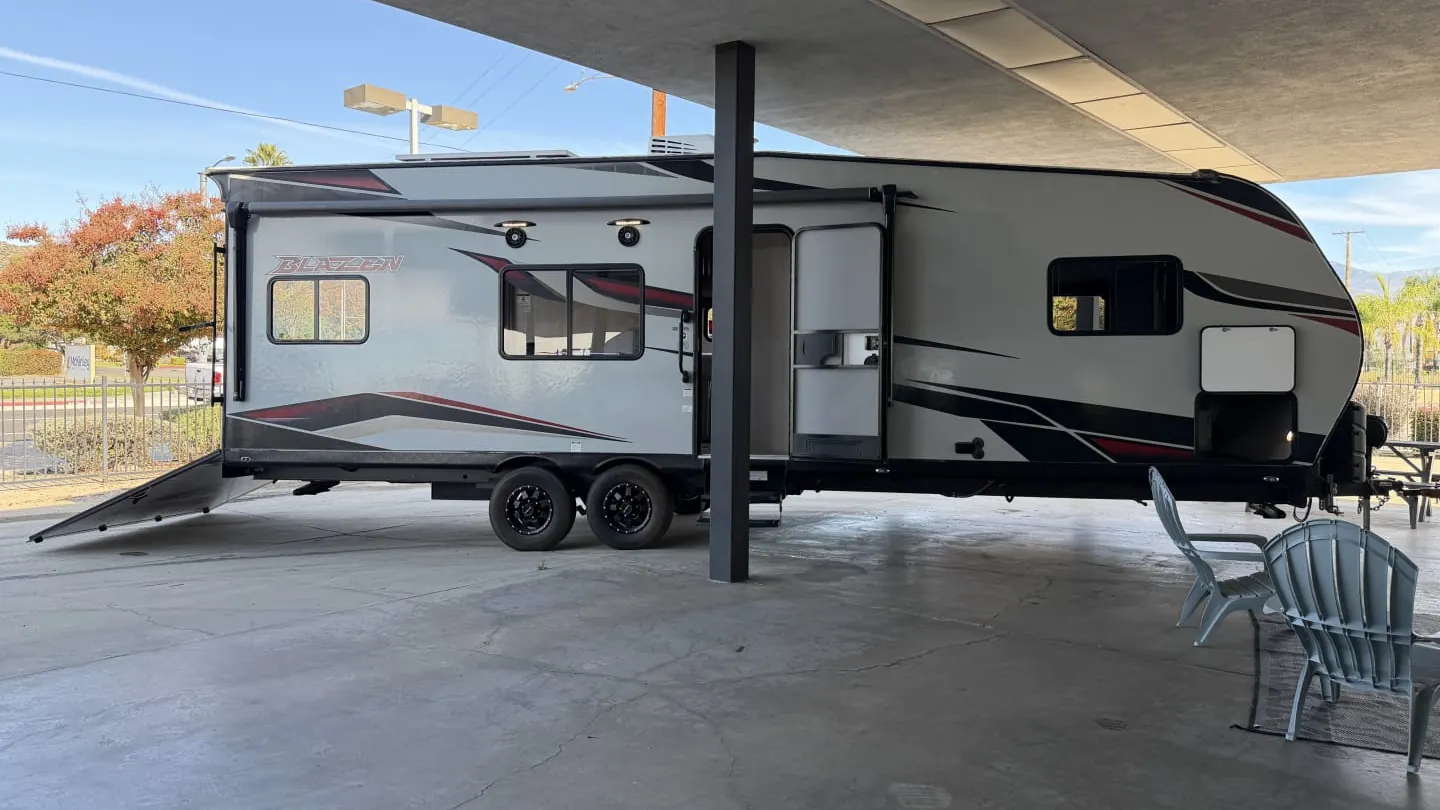
Almost every owner has had this renter. They return the unit with a cracked awning arm, swear it was like that at pickup, and file a chargeback the day you bill them. You can lose that fight even when you are right, just because your evidence is scattered across three phones and an email thread. The good news is that damage claims are mostly a process problem. Size the deposit right, capture evidence the same way every time, and send the claim fast and itemized. Do that and most renters pay without an argument.
A standard caution applies here. Deposit handling, timing and what you can charge beyond a deposit vary by state. Have your attorney review your deposit and damage terms. Talk to your insurance agent about where your deductible ends and a renter-paid repair begins.
Sizing the deposit
A deposit has one job. It covers the small and medium claims you see often, so you are not chasing renters for money after they go home. It is not meant to cover a totaled slide-out. That is what insurance is for.
To size it, pull last season's claims and sort them. You will likely find they fall into a few buckets.
- Housekeeping charges: extra cleaning, pet hair, black tank not dumped, fuel or propane not refilled
- Usage overages: extra miles, extra generator hours, late return
- Small damage: broken blinds, torn screens, lost keys or remotes, a cracked vent cover, a scraped bumper
- Medium damage: awning arms and fabric, a step motor, a slide topper, a dented compartment door
- Large damage: anything likely to go through insurance
For example, if nearly all your non-insurance claims land under $1,000, a deposit in that range covers most cases without making the booking feel expensive. A newer Class A with pricier parts may justify a higher deposit than a small travel trailer. Whatever you pick, put it on the booking page and in the quote. A deposit the renter first hears about at pickup is the first step toward a dispute.
Hold or charge?
A card authorization hold is gentler on renters. But holds expire after a period the card networks set, and that may be shorter than a long trip plus your inspection window. A charged deposit that you refund is more certain but feels heavier to the renter. Many owners hold for short trips and charge for long ones. Ask your payment processor how long holds stay valid on your account, and build that into your process.
Evidence starts at pickup, not at return
You cannot prove new damage without proof of old condition. So the pickup walk-around is the most important part of any claim, even though it happens days before the damage. Photograph the same angles in the same order every time, with timestamps, and have the renter confirm the photos. The pickup and return walk-around photo checklist lists the shots. These are the principles.
- Same shots, same order. Doing it the same way lets you place the pickup and return photos of each panel side by side.
- Existing damage marked. Photograph known scratches close up and log them, so a renter cannot claim them and you do not bill for them by mistake.
- Readings captured. Odometer, generator hours, fuel, propane and tank levels, each as a photo.
- Renter sign-off. A signature or tap confirming the photos show the unit's condition, plus a short window to report anything you missed.
Your rental agreement should state that these photos are the record of condition. When the agreement and the photos agree, most renters stop arguing.
The return inspection
Do the return inspection with the renter present whenever you can. When a renter watches you find a cracked vent cover, you talk it through right there, while they still remember what happened. Finding it two days later and sending an email invites a very different talk.
If you allow after-hours or unattended returns, say in the agreement that the renter is responsible until you inspect. Then inspect first thing the next morning, before anyone else touches the unit. The turnover crew should not start cleaning until the inspection is done, because cleaning destroys evidence (a mess that shows pet use, a smell, sand in the slide seals). That is why your turnover checklist should make inspection step one.
If you spot damage at return, tell the renter right away. Show them the pickup photo next to the return photo, and say you will send an itemized statement once you have a repair price. Do not guess a number on the spot. A number you raise later feels like a bait and switch.
Pricing the damage fairly
When the photos are clear, renters rarely dispute that damage happened. They dispute the price. You avoid most of that by pricing the same way every time and showing your work.
Build a standard price list
For items that break often, keep a published price list. Include a replacement key, remote, sewer hose, power cord adapter, blind, screen, vent cover, awning fabric by size and kitchen kit items. Put it in the agreement or point to it there. Prices agreed in advance are hard to argue with.
For everything else, itemize
Show parts, labor hours and the labor rate. If you do repairs in-house, charge a labor rate you could defend next to a local shop's, and keep a record of the time. If an outside shop does the work, attach their invoice. If you run your own service bay, the same quote and photo discipline in running an RV repair business applies here.
Loss of use
If damage takes a unit out of service and cancels future bookings, some owners charge loss of use. It is fair if your agreement allows it and you can show the lost bookings. It is also the line item most likely to start a fight. Use it for real losses, not as a penalty, and confirm with your attorney how your state treats it.
Wear and tear is yours
Faded decals, a worn carpet path, a sticky drawer slide and a tired mattress are the cost of being in the rental business. They belong in your preventive maintenance schedule, not on a renter's bill. Charging for wear is a quick way to lose reviews.
Sending the claim
Speed matters. A claim sent within a couple of days, while the trip is fresh, is much more likely to get paid than one that shows up three weeks later. A good claim message includes the following.
- A one-sentence summary of what was found and when
- Pickup photo and return photo of the same area, side by side
- An itemized list: each item, the price and how the price was set
- The amount taken from the deposit, the amount of the deposit released, and any balance due
- The agreement section that covers it
- A way to reply with questions, and a date by which you will process the charge
Here is the tone that works, written as an example.
"Hi, thanks for renting with us. During the return inspection we found a cracked roof vent cover over the bathroom (photos from pickup and return attached). The replacement vent cover is $45 plus 0.5 hours of labor at $120 per hour, for $105 total, per section 9 of your agreement. We have taken $105 from your $750 deposit and released the remaining $645, which should show on your card within a few business days. If you have questions, reply here and I will call you."
No blame, no adjectives, just evidence and numbers. Releasing the undisputed part of the deposit right away also shows good faith.
When the renter disputes
Some will. Here are your options, roughly in order.
- Call them. A short phone call often settles more than a long email chain. Listen first. Sometimes they have a point, such as damage you missed at pickup.
- Offer a fair adjustment when the evidence is weak. If your pickup photo of that corner is blurry, splitting the cost may be better business than a fight and a one-star review.
- Stand firm when the evidence is strong. Clear photos, a signed agreement and an itemized invoice are what you need.
- Answer chargebacks with the full package. Signed agreement, pickup and return photos with timestamps, the itemized invoice, repair records and your message history. Submit it before your processor's deadline.
- Know when to bring in others. For large amounts, talk to your insurer and your attorney about next steps.
Track claims like a business line
Keep a simple log with the date, unit, renter, what happened, amount billed, amount collected and whether it was disputed. After a season you will see patterns. If one unit keeps getting its awning damaged, it may need a better demo, which is a job for your renter orientation. If many claims come from one pickup time, rushed pickups may be skipping steps. Record damage income and repair costs separately in your books, so you can see whether claims actually cover repairs. Tracking profit per unit covers how to set that up.
In daily operations, the goal is to keep pickup photos, return photos, the agreement and the invoice on the same booking. RV Shop Desk's rental software stores walk-around photos on the booking. It lets you bill damage straight from those photos to an invoice the renter can pay by card, which cuts out most of the evidence hunting.
Fewer claims, fewer fights
Deposits and damage claims go smoothly when nothing about them is a surprise. The renter saw the deposit at booking and watched you photograph the unit at pickup. They heard the awning rule in orientation. They got an itemized claim with photos within two days of return. Build that routine and the fights mostly go away. Start with a solid rental agreement, then make the photo walk-around a habit your whole team does the same way every time. And know how your insurance coverage handles the claims too big for any deposit.
Questions owners ask
How much should a security deposit be for an RV rental?
Most owners size it to cover the common small claims, such as cleaning, fuel, a dump fee and minor damage, without scaring off bookings. Look at your own claim history and set the deposit near what a typical minor claim costs. Let insurance handle larger damage.
How long do I have to return an RV rental deposit?
It depends on your agreement and your state's rules, so confirm with your attorney. In practice, releasing or itemizing within a few days of return keeps renters calm and cuts disputes.
Can I charge a renter more than the security deposit for damage?
Often yes, if your signed agreement says the renter owes costs beyond the deposit and authorizes the card on file. Have your attorney confirm the wording works in your state.
How do I avoid chargebacks on RV damage claims?
For every claim, keep the signed agreement, timestamped pickup and return photos, and an itemized invoice with repair records together. Send the claim quickly with photos attached, so the renter sees the evidence before they call their card issuer.
- What Belongs in an RV Rental Agreement
- The Pickup and Return Walk-Around: A Photo Checklist
- Turning Over an RV Between Renters: Cleaning and Systems Checklist
- The 30-Minute Renter Orientation That Prevents 2 a.m. Calls
- When a Rental RV Breaks Down Mid-Trip: A Playbook
- Running the Booking Calendar: Buffers, Minimum Nights and Holds