Running an RV Repair Business: Quotes, Approvals and Photos
Run every ticket through the same written process. Most repair shop headaches come from three gaps, which are a vague intake, a verbal approval, and a customer who has not heard from you in a week. Close those and the work gets easier.
By the RV Shop Desk team · · 7 min read
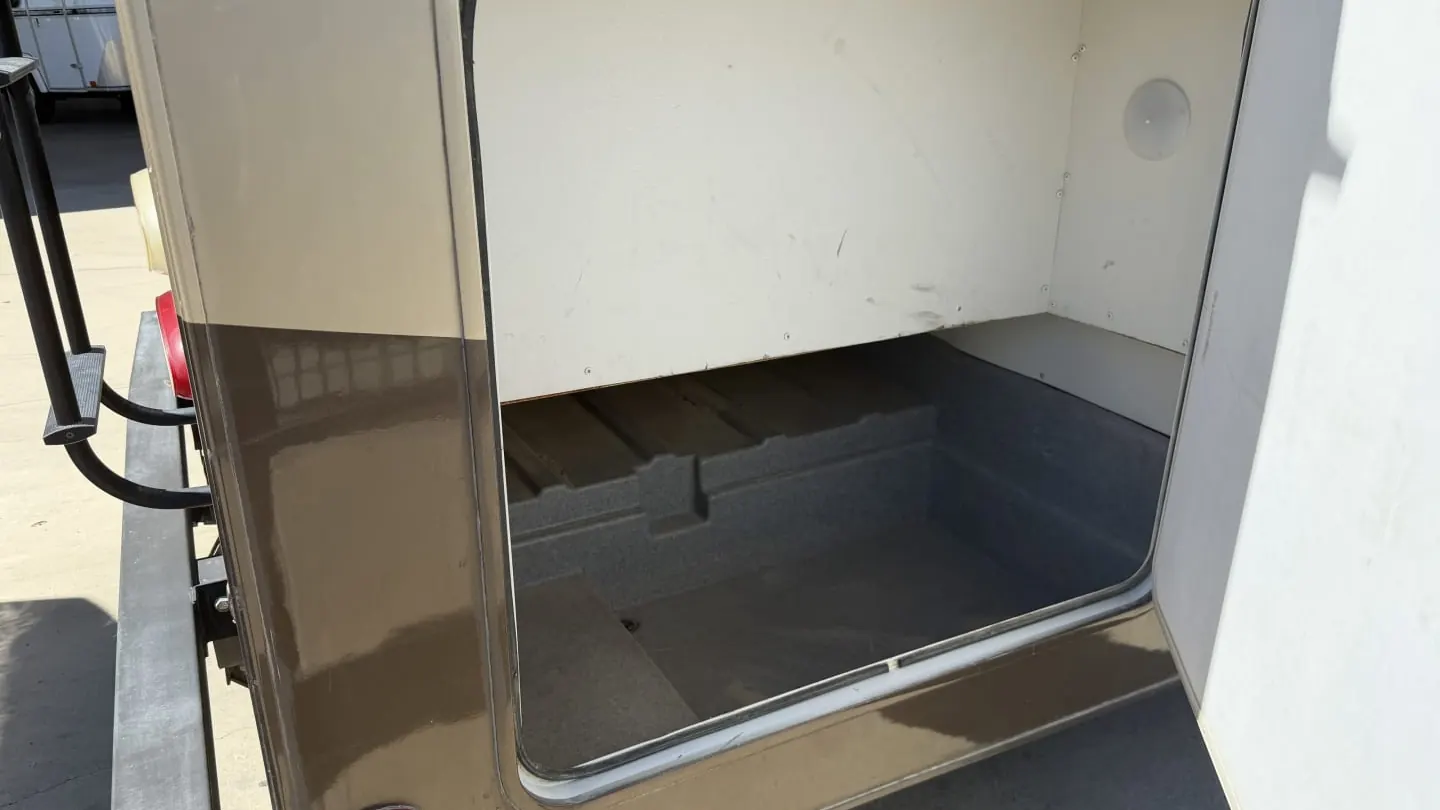
An RV repair shop makes money on hours billed and parts sold. It loses money on everything that happens in between. That is the customer who sat on the estimate for nine days, the roof job that turned into a subfloor job with no written change order, and the unit parked on your lot for three weeks after it was done. Running a good shop mostly means closing those gaps with a process you follow on every ticket, from a 30 minute water pump swap to a full delamination repair.
This guide walks through that process in the order a job flows. It goes from intake to inspection, estimate, approval, work, updates, invoice and pickup. It applies whether you run a mobile service, a two-bay shop, or a service department that also keeps its own rental fleet on a maintenance schedule.
Intake: the ten minutes that prevent the worst fights
The most important moment in a repair job is when the customer hands you the keys. What you record here decides whether you win or lose every argument later.
At intake, capture these items.
- The customer's complaint in their own words. "Water on the floor by the fridge after rain," not "leak."
- A full exterior photo set. Shoot all four corners, each side, the roof if you can safely get up there, and close-ups of existing damage. The same habits you would use for a rental pickup walk-around work here.
- Interior photos of the problem area and anything already broken nearby.
- Odometer or generator hours, fuel level, and propane level if it matters for the job.
- What they left inside. Tell customers to remove valuables, and note what remains.
- Signed authorization for the diagnostic fee or inspection time, your storage terms and your payment terms.
Keep the photos timestamped and attached to the ticket, not sitting on a tech's phone. When a customer says the scrape on the rear cap happened in your lot, you pull up the intake photo and the talk is over.
Inspection and diagnosis
Decide how you charge for diagnosis and stick to it. Common choices are a flat inspection fee, a minimum block of labor time, or a fee credited toward the repair if approved. Put it in writing at intake. Customers accept a diagnostic charge when they knew about it up front. They fight it when they did not.
During inspection, the tech's job is to document, not just to find. Do this for every finding.
- Photograph the problem clearly, with something for scale when it helps.
- Note the likely cause in plain language.
- Rate it: safety issue, needed repair, or recommended.
- List the parts and estimated labor.
That rating is what gets estimates approved. Picture a customer who sees a leaking propane regulator marked "Safety" next to a roof edge reseal marked "Recommended, within the year." That customer can decide in minutes.
Writing estimates customers can say yes to
A good estimate reads like a menu, not a riddle. Each line should stand on its own and show what is wrong, what you will do, parts, labor and total. Group items by the rating above.
| Line item (example) | Priority | Parts | Labor |
|---|---|---|---|
| Replace leaking LP regulator | Safety | Regulator and fittings | 1.0 hr |
| Replace water pump | Needed | 12V pump | 1.5 hr |
| Reseal front and rear roof edges | Recommended | Sealant | 2.5 hr |
Send the estimate the same day as the inspection whenever you can. Every day that passes, the customer cools off and your bay sits waiting. Attach the photos. A picture of a rotted corner sells better than any paragraph.
Tip: Always offer approval line by line. A customer who can say yes to the safety and needed items and "not now" to the roof reseal will approve faster than one facing a single all-or-nothing total. Put the declined items in their file and bring them up at the next visit.
Approvals in writing, every time
Verbal approvals are how shops end up writing off work. You do not want to argue about "he said go ahead on the phone" at pickup. Get approval in writing, such as a signed estimate, a reply by text, an e-signature or an email. Whatever method you use, tie it to the specific estimate and amount.
Texting works well because many RV owners answer a text quickly but let a voicemail sit for days. If you run a phone line for the shop, texting back missed calls keeps customers from calling the next shop on their list while you are under a coach.
Change orders for hidden damage
RV repair is full of surprises. You pull a wall panel to fix a leak and find the subfloor is soft. You open a slide-out mechanism and find a stripped gear you could not see before. This is normal. Handling it badly is not.
The rule is simple. When the scope changes, stop and get a written change order before you go on.
- Stop work at a safe point.
- Photograph what you found, before and after exposing it.
- Write the added line items with parts and labor.
- Send it to the customer with the photos and a short note on why it matters.
- Wait for written approval, then continue.
If the customer declines, document that too. Close up the original repair as quoted and note the known issue on the invoice.
Parts, holds and the waiting game
Parts delays are a big reason units sit on the lot. Track every ordered part on the ticket, with where you ordered it, the expected date, and whether it arrived. When a part is backordered, tell the customer right away and offer to let them take the unit home and bring it back. A unit waiting three weeks for a part takes a space you could be billing on.
Think about requiring a parts deposit on special order items, especially costly parts that cannot be returned. Put your policy in the intake terms.
Keep customers updated without being asked
A common complaint about RV repair shops is not price. It is silence. Customers drop off their RV and then hear nothing for a week. They call, you are in the bay, they get voicemail, and they get angrier.
Set a rhythm. A short update at these points solves most of it.
- Unit checked in, photos taken.
- Inspection done, estimate sent.
- Approved, work scheduled for a specific day.
- Parts ordered, expected date.
- Work complete, ready for pickup.
Two sentences and a photo is enough. "Your new water pump is in and tested, no leaks. Ready tomorrow after 10." That kind of message earns reviews. Ask for one after every pickup as a matter of routine, as the guide to getting a review after every trip explains.
Invoicing and pickup
The invoice should match the approved estimate plus any approved change orders, with no surprises. Include before and after photos of the main work. Take payment at pickup, or send a payment link before pickup so the handoff is quick.
At pickup, walk the customer through what you did. Show them the new part. Run the system in front of them. This is also where you mention any recommended items they declined, with no pressure.
Put a pickup window in your terms and say what storage fees apply after it. Rules on storage charges and on keeping a unit until the bill is paid (often called a mechanic's lien) vary by state. Have your attorney review the wording before you rely on it.
Mistakes that quietly drain a shop
- Techs keeping photos on personal phones. If it is not on the ticket, it does not exist when you need it.
- Estimates written from memory at the end of the day. Write them while the unit is open.
- No labor time tracking. If you do not know how long a water heater swap takes your techs, you are guessing on every quote.
- Doing warranty or insurance work without the paperwork in hand. Get the authorization before you touch the unit. Confirm coverage questions with the customer's insurer or the warranty provider, not the customer's memory.
- Treating the rental fleet as free work. If you run rentals too, ticket fleet repairs like any customer job so you can see true cost per unit in your rental bookkeeping.
Doing this in software
You can run all of this on paper and a group text, but it breaks down past a handful of open tickets. The repair tools in RV Shop Desk are built around this flow. They give you customer tickets with photos, estimates and invoices, plus the 413 AUTOFIX AI repair assistant for working through diagnosis. They are part of every RV Shop Desk package, like texting and accounting, so a rental operator who does their own fleet repairs has them from day one.
A shop that runs on paper trails
Repair work will always have surprises. What you control is the paper trail. That means photos at intake, estimates the same day, written approvals and change orders, and regular updates. Build that and customers trust you, even when the news is bad. If your shop also supports a rental fleet or a dealership lot, read the mid-trip breakdown playbook for how service fits into rental emergencies. Then read adding a rental program to a dealership for how a service department can keep rental units earning.
Questions owners ask
How do I get RV repair customers to approve estimates faster?
Send the estimate the same day as the inspection, with photos of what you found and a clear line for each item. Let the customer approve by text or email so they do not have to call back. Split must-fix items from optional ones.
Should an RV repair shop charge for diagnosis?
Many shops charge a set diagnostic fee or a minimum inspection time and apply it to the repair if approved. Whatever you choose, put it in writing at intake so it is never a surprise.
How do I handle hidden damage found after a repair starts?
Stop, photograph it, and send a written change order with the added cost before you continue. Never keep going on a verbal okay, because that is where billing disputes start.
How long should an RV sit on my lot after the repair is done?
Set a pickup window in your written terms, often a few days, and say what storage fees apply after that. Check your state's rules on storage charges and mechanics' liens with your attorney.