Adding a Rental Program to an RV Dealership
A dealership already has the lot, the service bays and the customers. A rental program can turn those into year-round revenue if you run it as its own department, with its own units, its own coordinator and its own numbers.
By the RV Shop Desk team · · 6 min read
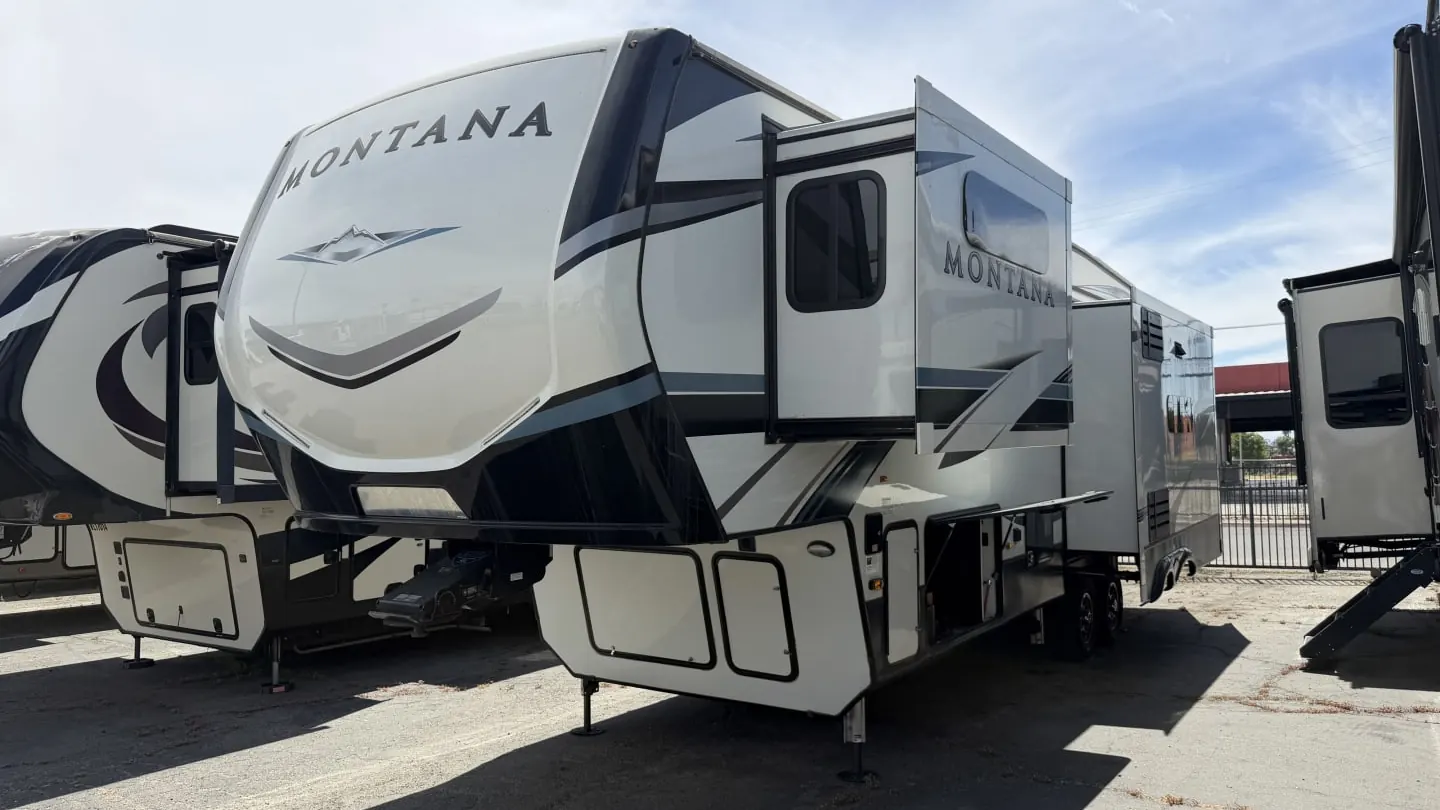
RV dealerships already have most of what a rental business needs. You have a secure lot, service bays, techs who know the systems, a parts counter, and a steady stream of people who want to try before they buy. Adding rentals looks obvious. Yet dealer rental programs often fizzle because rentals get treated as a side project. Units get pulled when a buyer shows up, service puts rental repairs at the back of the line, and nobody owns the calendar.
If you want a rental program that pays, run it as its own department with its own units, its own person and its own numbers. This guide shows you how to set that up.
Decide what the program is for
Before you pick units, get clear on the goal. Dealers usually add rentals for one of three reasons, and each one leads to different choices.
- Standalone profit. Rentals should earn on their own, measured per unit like any fleet. You will price to market and keep units in rental for their useful life.
- Sales funnel. Rentals exist mainly to let people try a class or floor plan and then buy. You care about conversion as much as rental revenue.
- Using aged or trade-in inventory. Units that are not moving on the lot earn rental income until they sell or retire.
Most programs mix these, but pick a main goal. It settles the question every time sales wants to pull a booked unit for a customer on the floor.
Choosing units for the rental line
The same rules in choosing RVs for a rental fleet apply here, with a dealership twist. You have access to trade-ins and aged stock, and your service department knows which models keep coming back with the same problems.
What tends to work
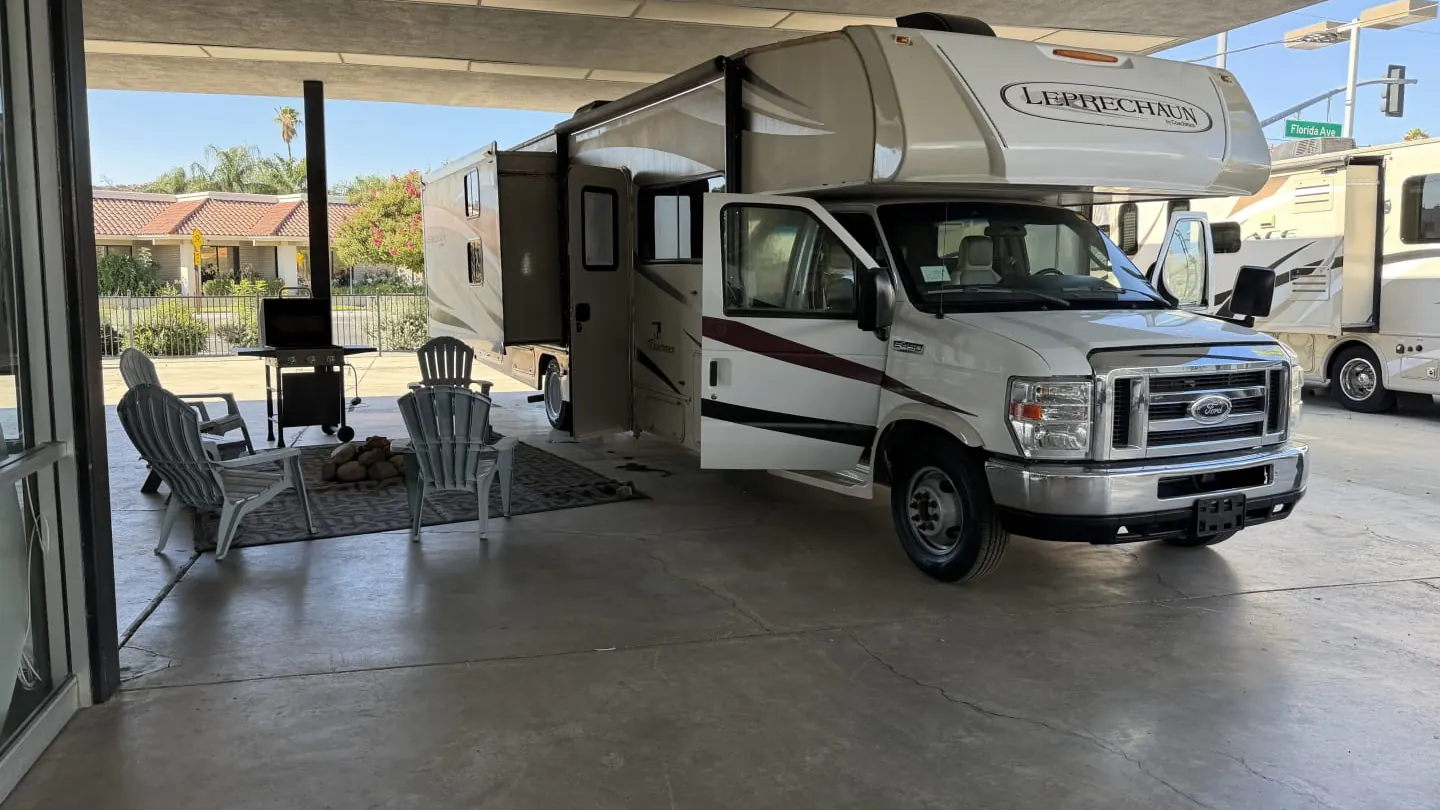
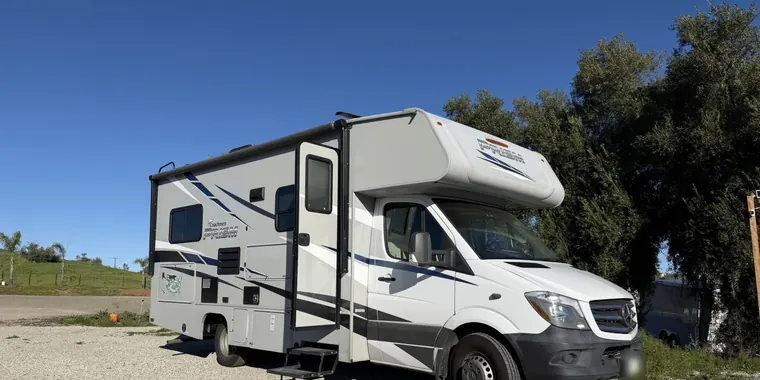
- Class C motorhomes in the 24 to 31 foot range, which first-timers can drive without much fear.
- Mid-size travel trailers for customers who already own a capable tow vehicle.
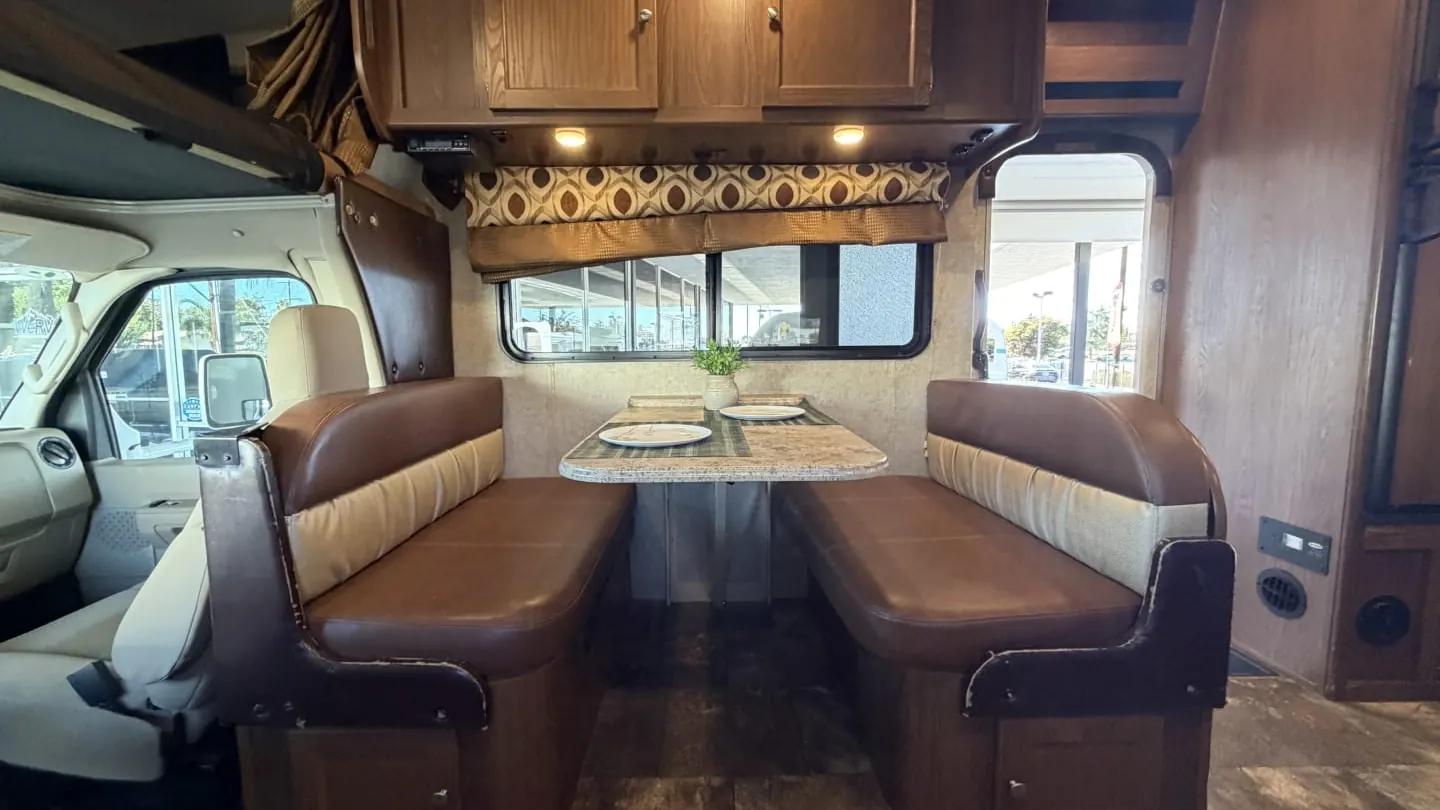
- Simple floor plans with few slides and tough interiors.
- Models your techs can service fast with parts you stock.
What to be careful with
- New inventory. Renting a new unit can affect its status as new, its title and its financing. Floor plan lenders and manufacturer agreements may restrict it. Check with your lender and attorney first.
- Units with a known recurring issue. Your service records will tell you which ones. A renter with a slide that will not retract makes for an expensive weekend.
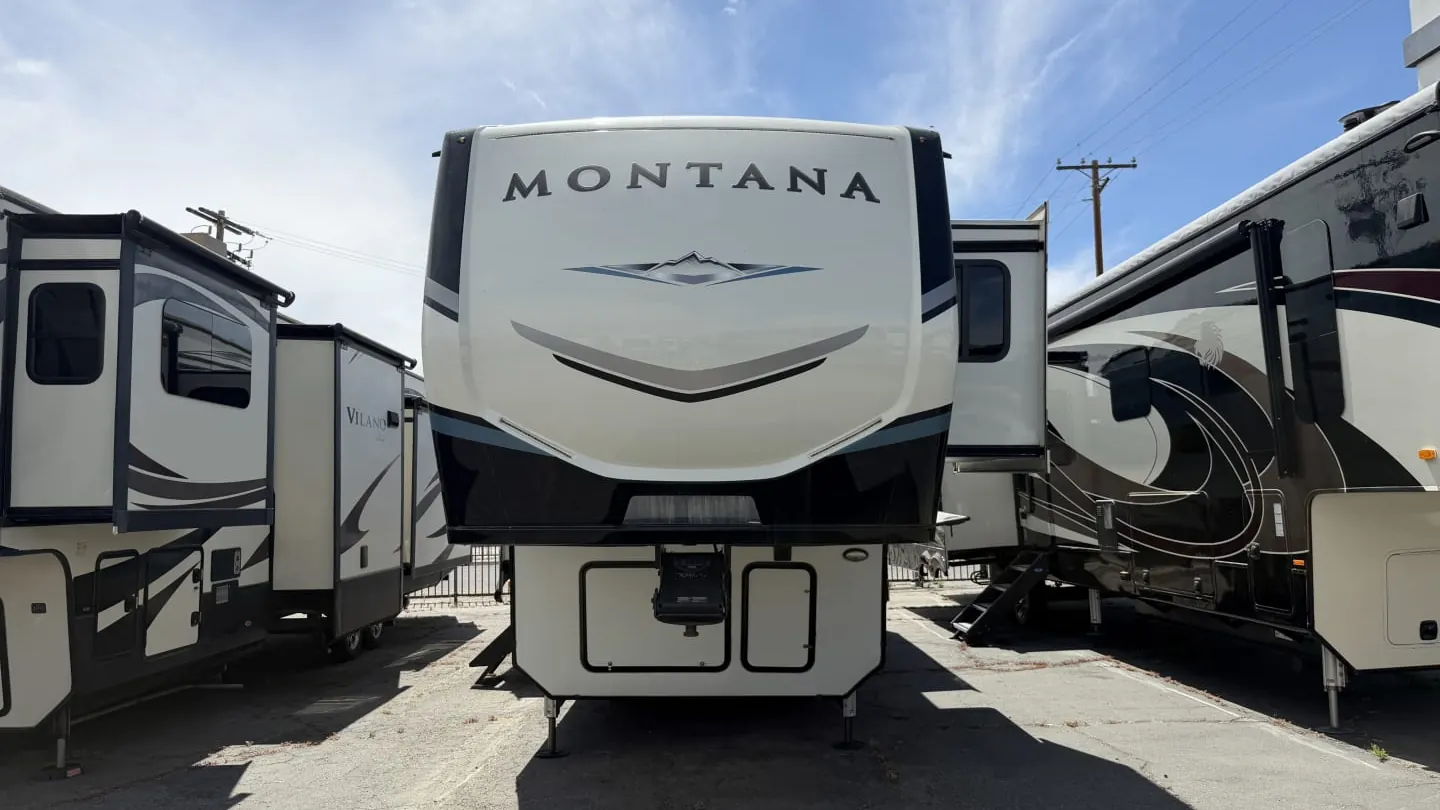
- Too many floor plans. Five models means five orientations and five parts lists. Three or fewer is easier.
Keep rental and retail inventory separate
This is the rule that makes or breaks dealer programs. Once a unit goes into the rental fleet, track it as a rental asset with its own calendar, maintenance history and profit and loss. If a buyer wants it, the sale waits until the unit is free, or you replace it with an equal unit before its next booking. Never cancel a renter's trip to close a sale. The renter will tell everyone they know, and the reviews will follow you.
In practice, separation looks like this.
- A separate section of the lot, marked for rentals.
- Rental units listed in a rental booking system, not the retail inventory system alone.
- A clear handoff when a rental unit is retired to retail, including a full inspection and the rental history disclosed as your attorney advises.
- Separate books, so you can see what rentals actually earn. The approach in bookkeeping for profit per unit works for a department inside a dealership too.
Staffing: one owner for the program
Rentals need someone whose job it is. That is not a salesperson squeezing in a pickup between floor customers, and it is not a service writer adding it to their list. The rental coordinator handles inquiries, bookings, the renter orientation at pickup and the return inspection. They also line up turnovers with the detail and service teams.
In a small program of 4 to 8 units, that might be half of one person's week in season. As it grows, it becomes a full-time role with seasonal help. The guide to hiring a crew and running payroll covers the wage and classification basics.
Service gets a rental lane
Your biggest edge over a stand-alone rental operator is the service department. Your biggest risk is that service treats rental units as the lowest priority because they do not produce a customer invoice. Fix that with a few rules.
- Rental turnovers and pre-trip checks are scheduled work with a set time slot, not fill-in work.
- Rental repairs get a ticket like any customer job, at internal labor rates, so the rental department sees true cost.
- Rental units follow a written preventive maintenance schedule tied to trips and miles.
- A tech is on call, or at least reachable, on weekends when renters are out.
Tip: Block Friday morning in service for rental departure checks in peak season. Many pickups happen Friday afternoon, and that slot keeps you from finding a dead coach battery at 2 p.m. with a family waiting in the showroom.
Insurance, agreements and the legal side
A dealer policy usually covers units on the lot and test drives. Rental use is different, because a customer takes a unit away for days, often across state lines. Ask your insurer these questions directly.
- What coverage applies when a unit is out on a rental, and what does the renter need to carry?
- Does coverage change for towables versus motorhomes?
- Are there limits on who can rent (age, license, driving record)?
- What is required for roadside assistance and towing coverage?
The questions in RV rental insurance basics make a good starting list. Then have your attorney review a rental agreement written for rentals, not adapted from a purchase contract. The guide on what belongs in a rental agreement covers the sections to include. Licensing, tax collection and registration rules for rental use vary by state, so confirm those with your attorney and accountant before the first booking.
Pricing next to the showroom
Price rentals to the local rental market, not as a discount to push sales. A cheap rental draws price shoppers, not buyers. Use the method in pricing RV rentals by season and add-ons, with minimum nights on weekends and holidays.
If the sales funnel is part of your goal, use a rent-to-buy credit instead of a low rate. For example, you might credit part of a rental fee toward a purchase made within a set number of days. Keep the terms in writing, apply them the same way to everyone, and have your accountant review how the credit is recorded.
Turning renters into buyers
Every renter is a qualified lead. They have shown they want an RV, they have spent a weekend in one, and they know your dealership. Do not waste that.
- At pickup, ask what they hope to learn from the trip.
- At return, ask what they liked and did not like about the unit.
- Within a few days, follow up with a short message and a review request.
- Note their preferences in the sales CRM so a salesperson can follow up with units that fit.
- Invite past renters to events and new model arrivals.
Some renters will not buy for two or three years. Staying in touch costs next to nothing.
Measuring the program
Review these numbers monthly in season and quarterly in the off-season.
| Metric | Why it matters |
|---|---|
| Booked nights per unit | Shows whether you have too many or too few units |
| Revenue and cost per unit | Tells you which units earn their space |
| Service hours per unit | Flags problem units early |
| Renters who became buyers | Measures the funnel, if that is a goal |
| Days units were pulled for sales | Should be close to zero |
Running it in software
A dealer rental program needs its own booking calendar, agreements and inspection photos, apart from the retail system. RV Shop Desk for rental fleets handles bookings, agreements signed on the renter's phone, walk-around photos, turnovers and damage billed from photos. Pricing is per rental unit with a monthly cap, so it scales with the program. The service side can run on the repair tools in the same desk, for tickets, estimates and invoices.
Start small and protect the calendar
Begin with three to five units, one coordinator and a service lane, and run it for a full season before you expand. Protect the rental calendar from the sales floor, track every unit's numbers, and treat every renter as a future customer. When the utilization numbers tell you to grow, the guide on when to add another RV walks through the math. Planning the off-season covers what to do with rental units once the lot goes quiet.
Questions owners ask
Can an RV dealership rent out new inventory?
Some dealers do, but renting new units can affect how they are titled, financed and sold. It may also conflict with floor plan or manufacturer agreements. Check with your lender, your manufacturer agreements and your attorney before you put any new unit into rental.
Does a dealership need separate insurance for rentals?
Usually, yes. Rental use needs specific coverage that a standard dealer policy may not include. Ask your insurer exactly what is covered when a customer drives or tows a unit away on a rental, and get it in writing.
Which units work best for a dealership rental fleet?
Many dealers start with used or trade-in Class C motorhomes and mid-size travel trailers that are easy for first-timers to drive or tow. Keep the fleet to a few floor plans so your staff can learn them well.
How do I turn rental customers into buyers?
Track every renter as a lead and follow up after the trip. Consider a written rent-to-buy credit, where part of a rental fee applies to a purchase within a set window. Keep the terms simple and consistent.