How to Get a Review After Every RV Trip
Ask in person at return, then text a direct review link the same day and one reminder a few days later. Most renters who had a good trip will leave a review when you ask at the right moment and make it take thirty seconds.
By the RV Shop Desk team · · 7 min read
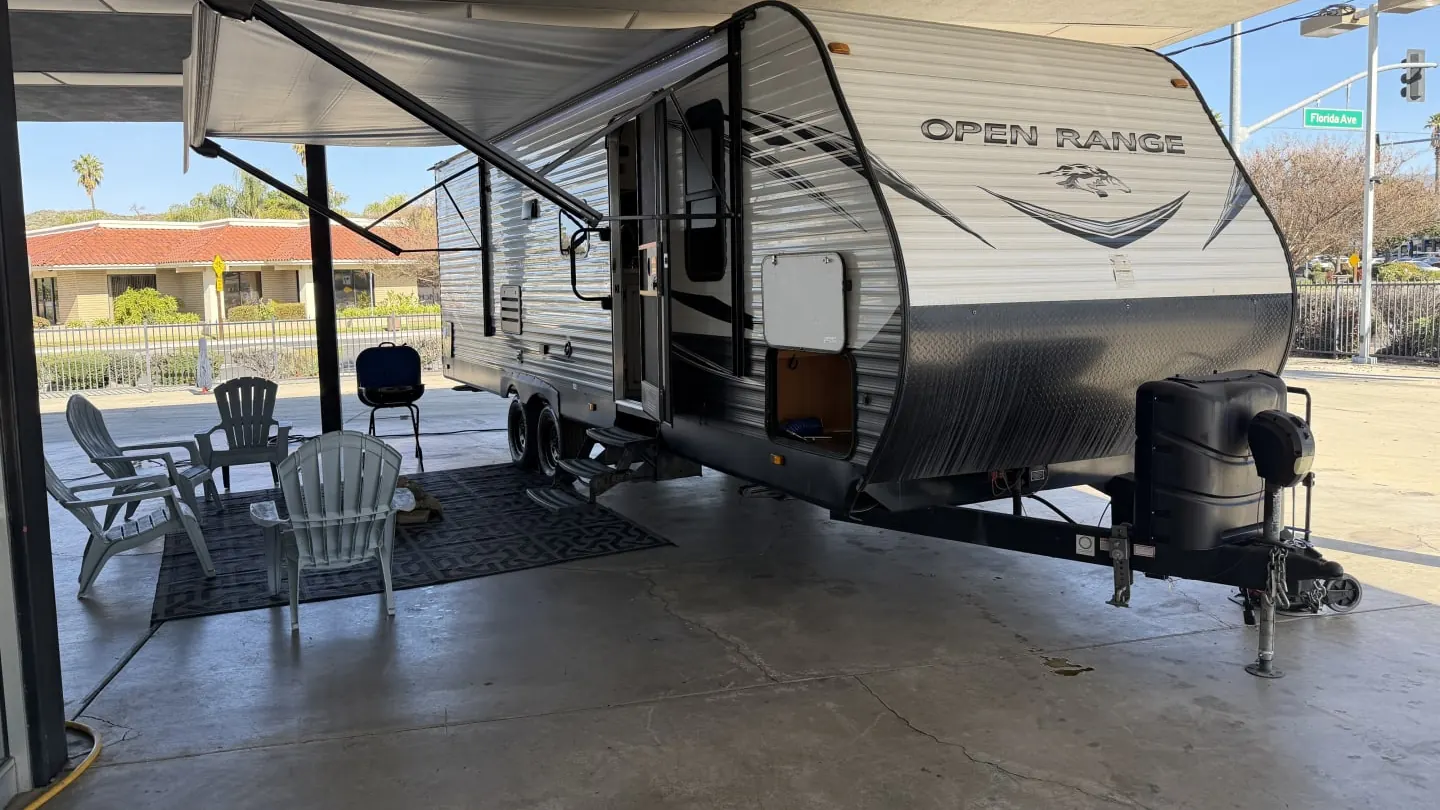
Ask any fleet owner how many reviews they should have by now, and most will say more. They had a great summer, dozens of happy families and several thank-you texts. Yet the Google profile shows the same handful of reviews from last year. The renters were happy. Nobody asked them at the right moment, or somebody asked with a vague "leave us a review sometime!" and a link buried in an email they never opened.
Reviews are not a marketing campaign. They are a step in your return process, like dumping tanks or checking the propane. This guide lays out that step in detail. It covers who asks, when, with what words, and what to do when the trip did not go well.
Why reviews matter so much in RV rental
Renting an RV takes a lot of trust. A family is handing over a sizable deposit and betting their vacation on a vehicle they have never seen, from a business they found an hour ago. Reviews are the closest thing they get to a test drive. Reviews show up on your Google Business Profile, on your website and on any marketplace listings you run. A fleet with steady, recent, specific reviews is easier to book, and often easier to book at the rate you want.
Recency matters as much as the count. A pile of reviews from three years ago and none since makes a renter wonder if you are still in business, or if something changed.
The moment: return day, not a week later
The best time to ask is when the renter is standing next to the RV with the trip fresh in their mind, right after a clean return. Their kids are still talking about the campfire. They are relieved the walk-around went fine. That window lasts hours, not days.
The ask has two parts.
- In person, at the end of the return walk-around. Once you have checked the unit and the renter knows where they stand on the deposit, ask directly. Try something like "Glad the trip went well. We are a small local business, and reviews are how most people find us. I am going to text you a link. Would you mind leaving a couple of sentences about the trip?" Most people say yes. A yes out loud makes them more likely to follow through.
- By text, the same day. Send the direct review link within a few hours, while they are unloading the car. Texts get read. Emails get filed.
If you rush the return walk-around, or the renter drops the keys in a lockbox, you lose the in-person part. That is fine, because the text still does most of the work. But plan your return walk-around so there is a natural two minutes at the end for this talk.
What to send
Keep the text short, personal and one tap from the review form. Here are examples you can adapt.
Same-day text: "Hi Sam, thanks for bringing the Class C back in such good shape. If you have a minute, a short review really helps a small business like ours. Here is the link. [link] Hope to see you next season."
Reminder, 3 to 4 days later: "Hi Sam, one quick follow-up. If you have not had a chance yet, here is that review link again. [link] Thanks again for renting with us."
Then stop. Two touches is polite. Three starts to feel like nagging, and some renters will leave a lukewarm review just to make the texts end.
A few details make a real difference.
- Use the direct review link, the one that opens the review box. Do not link to your profile and make them hunt for the button.
- Use their first name and the unit they rented. It shows a person sent it.
- Send from the business number they already texted during the trip, so it is not a stranger.
- Suggest what to mention if you like, in neutral terms such as "the unit, the pickup, anything that stood out." Never script what they should say or ask for a certain star rating.
The rules you must not break
Review platforms have policies, and breaking one can cost you reviews you already earned. Stick to these safe practices.
- No incentives. No discounts, gift cards, deposit refunds, free nights or drawing entries in exchange for reviews.
- Ask everyone the same way. Do not screen renters with a "how did we do?" survey and send the review link only to the happy ones. That practice is called review gating, and major platforms ban it.
- No reviews from you, your family or staff. Not even "to get the ball rolling."
- No paying anyone for reviews, and no trading reviews with other businesses.
Platform rules change, so check the current policies yourself once a year. Consumer protection rules on fake or incentivized reviews also exist, and they vary. If you are unsure, ask your attorney.
When the trip did not go well
This is where owners get nervous. The generator died on night two. A slide stuck. The renter got a damage charge for a cracked awning arm. Do you still ask?
Yes, using the same process as everyone else, but handle the problem first. A renter who had a breakdown and got a fast, fair response often writes a better review than one whose trip was uneventful. They got to see how you act under pressure. What decides that outcome happens during the trip and at return, not in the review request.
- Answer the phone or text fast when something breaks. Our playbook for breakdowns during a rental covers the first-hour steps.
- At return, bring up the problem before they do, and say what you are doing about it (a partial refund for the lost night, for example, if that is your policy).
- Handle damage charges with photos and a written explanation, never an argument at the curb. Deposits and damage claims without the fights walks through a process renters tend to accept as fair.
Many of the worst reviews in this industry come from surprise charges and unanswered phones, not from the breakdowns themselves.
Replying to reviews
Reply to every review within a few days. Future renters read your replies to judge what you are like to deal with.
For good reviews
Write two or three sentences specific to the trip. Thank them by first name, mention something real (the campground, the kids' first trip, the unit), and invite them back. Do not paste the same line on every review, because it reads like a bot.
For bad reviews
Wait until you are calm, then write something short.
- Thank them for the feedback.
- Name the specific problem without arguing the details.
- Say what you changed, if you changed something (a new pre-trip generator check, for example).
- Offer to keep talking by phone.
Never share private details in a public reply. That means no charges, no contract terms and nothing you saw in the return photos. If a review is false or clearly breaks the platform's policies, use the platform's reporting process instead of fighting it in the replies.
Making it automatic
This whole system falls apart the first busy Saturday in July, when four units come back at once and nobody remembers to send the texts. The fix is to tie the review request to the return itself, so it goes out whether or not someone remembers.
At minimum, add two lines to your return checklist. "Review asked in person?" and "Review text sent?" Better, have your software send the review text automatically when a booking is marked returned, with the reminder scheduled a few days later. RV Shop Desk's website and marketing plan sends review requests after each trip, and replies come back through two-way texting so you can answer from the same thread.
Once a month, look at three numbers. Count returns, review requests sent and new reviews. If requests sent is lower than returns, the process is leaking somewhere. If reviews per request drops, look at your return experience or your wording.
Beyond Google: using the reviews you earn
Reviews do more than sit on your profile.
- Show a few recent ones on each unit page of your booking website, next to the calendar where people decide.
- Read them for patterns. If three renters mention the same confusing water heater switch, add it to your renter orientation and put a label on the switch.
- Share them with your crew. The person who did a great turnover should hear that a renter called the unit spotless.
Only quote a review in your own marketing if the renter posted it publicly, and do not edit their words.
Reviews start with the trip itself
No script beats a clean unit, a clear orientation and a fast answer when something goes wrong. Build the ask into every return, keep it short, follow the platform rules and reply to everything. For the parts of the trip that decide what renters write, start with a solid turnover checklist and an orientation that prevents 2 a.m. calls.
Questions owners ask
When is the best time to ask an RV renter for a review?
Ask in person at return if the trip went well. Then text a direct review link the same day, ideally within a few hours. Send one reminder a few days later and then stop.
Can I offer a discount in exchange for a review?
No. Review platforms generally ban incentivized reviews, and breaking their rules can get reviews removed. Ask every renter the same way and let the trip earn the review.
Should I ask a renter for a review if there was a damage claim?
Use the same process for every renter instead of choosing who gets asked. Asking only happy customers can break platform rules. Settle the claim professionally and in writing so any review reflects a fair process.
How should I reply to a negative RV rental review?
Reply calmly and briefly. Admit the problem, say what you changed, and offer to talk directly. Do not argue details or share the renter's private information in public.