An RV Rental Marketing Plan for a Small Fleet
You do not need a big budget. Make your fleet easy to find, easy to trust and easy to book, then run a short weekly routine that keeps all three working through the season.
By the RV Shop Desk team · · 7 min read
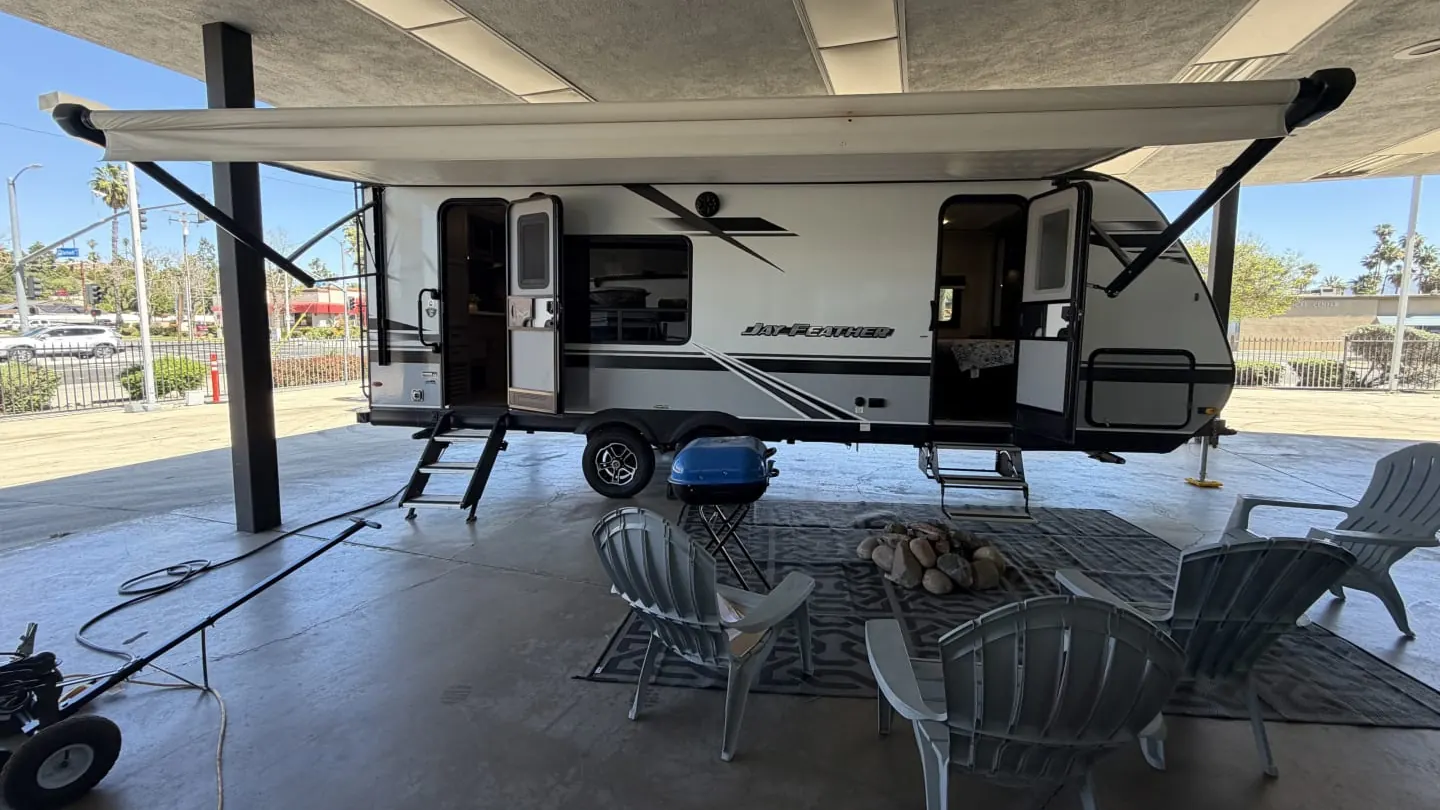
Many small RV rental fleets do not have a marketing problem. They have a findability problem, a trust problem and a booking problem. Renters cannot find them in local search. They cannot see enough reviews to feel safe handing over a few thousand dollars. Or they cannot book without a phone call nobody answers. Fix those three and keep a simple weekly routine, and your peak season can fill without a big ad budget.
This plan is for owners who do their own marketing, a few hours a week, between turnovers and pickups. It assumes you already know how to price your rentals, because marketing cannot rescue rates that are out of line with your market.
Step 1: Decide who you are renting to
"Anyone who wants an RV" is not a market. Look at last season's bookings. If you are new, think about the unit you bought and the area you are in. Many small fleets find that two or three renter types make up the bulk of bookings, for example:
- First-time families planning a summer trip to a nearby national park, who need hand-holding and delivery options
- Event renters going to races, fairs or games, who book short trips and want delivery and setup
- Experienced RVers between their own rigs or testing a class before buying, who care about the floor plan and the specs
- Local overflow guests who need an RV parked at a relative's property for a wedding or a holiday
Each type searches differently, asks different questions and books at different times. Write one sentence for each that says what they need to hear before they book. That sentence becomes the headline on your website, the first line of your listing and the script for your inquiry replies. If you are still building the fleet, choosing RVs for a rental fleet covers matching units to these groups.
Step 2: Get found in local search
When someone near you searches for RV rentals, the map results are usually the first thing they see. Your Google Business Profile is the most valuable free marketing tool you have. At minimum:
- Correct business category, service area, hours and phone number
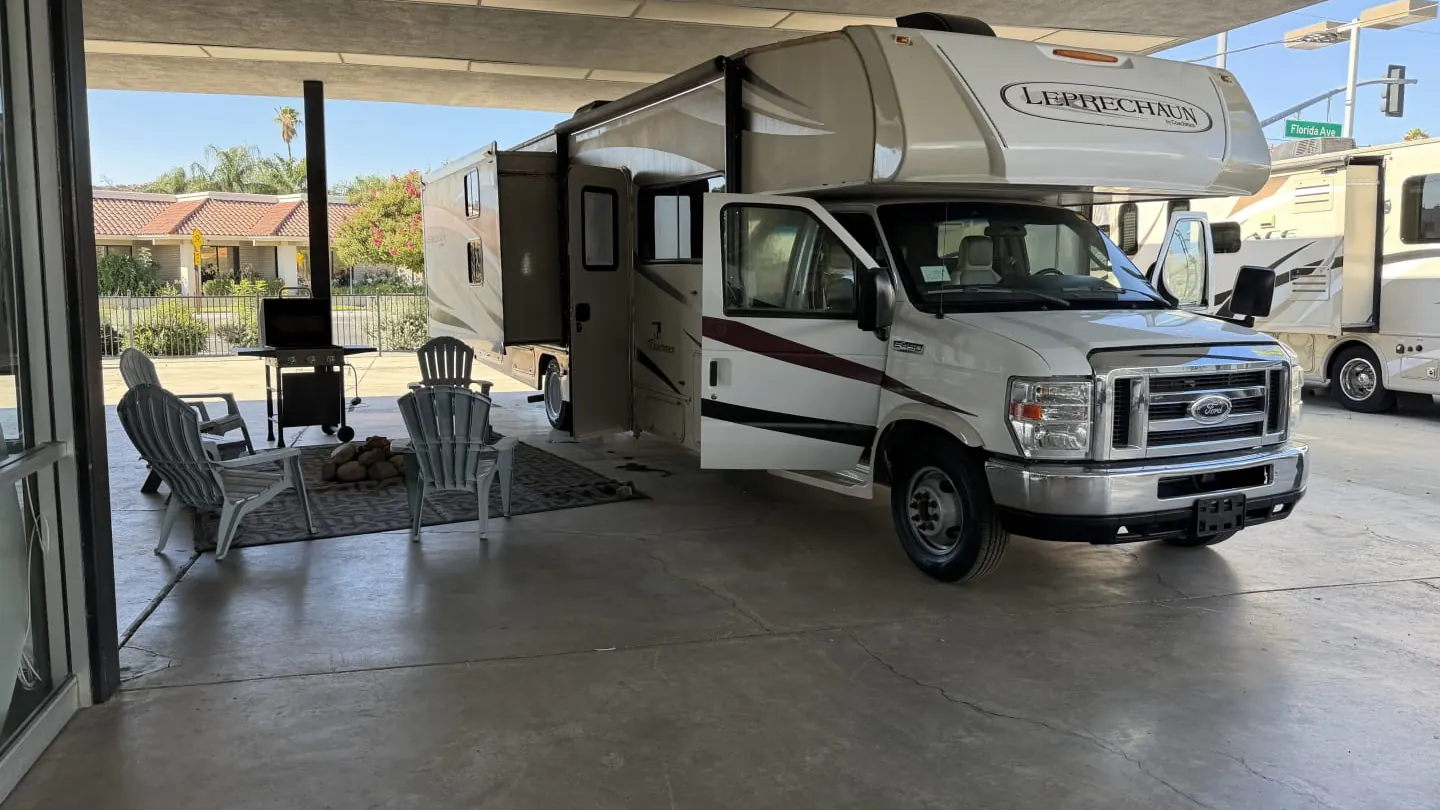
- Real photos of each unit, inside and out, plus your lot and your team
- A short description that says what you rent, where you deliver and who you are good for
- Regular posts about availability, open dates and seasonal trips
- Every question and review answered
The full setup and upkeep routine is in setting up a Google Business Profile for RV rentals. Plan on an hour to set it up properly and fifteen minutes a week to keep it alive.
Step 3: Build trust with reviews
Renting an RV is a big-ticket, high-anxiety purchase. A renter putting down a deposit on a vehicle they have never driven wants proof that other people did the same and had a good time. Reviews are that proof.
The owners with the most reviews are often not the ones with the best service. They are the ones who ask every single time. Ask at return while the renter is still smiling. Then follow up by text or email within a day with a direct link. Respond to every review, including the bad ones, calmly and specifically. Getting a review after every RV trip walks through the timing and the wording.
Take one good photo of every renter group with the unit at pickup, with their permission. Sending their own photo back with the review link gives people a friendly nudge to write one. Some will also let you use the shot on your website and profile.
Step 4: A website that books
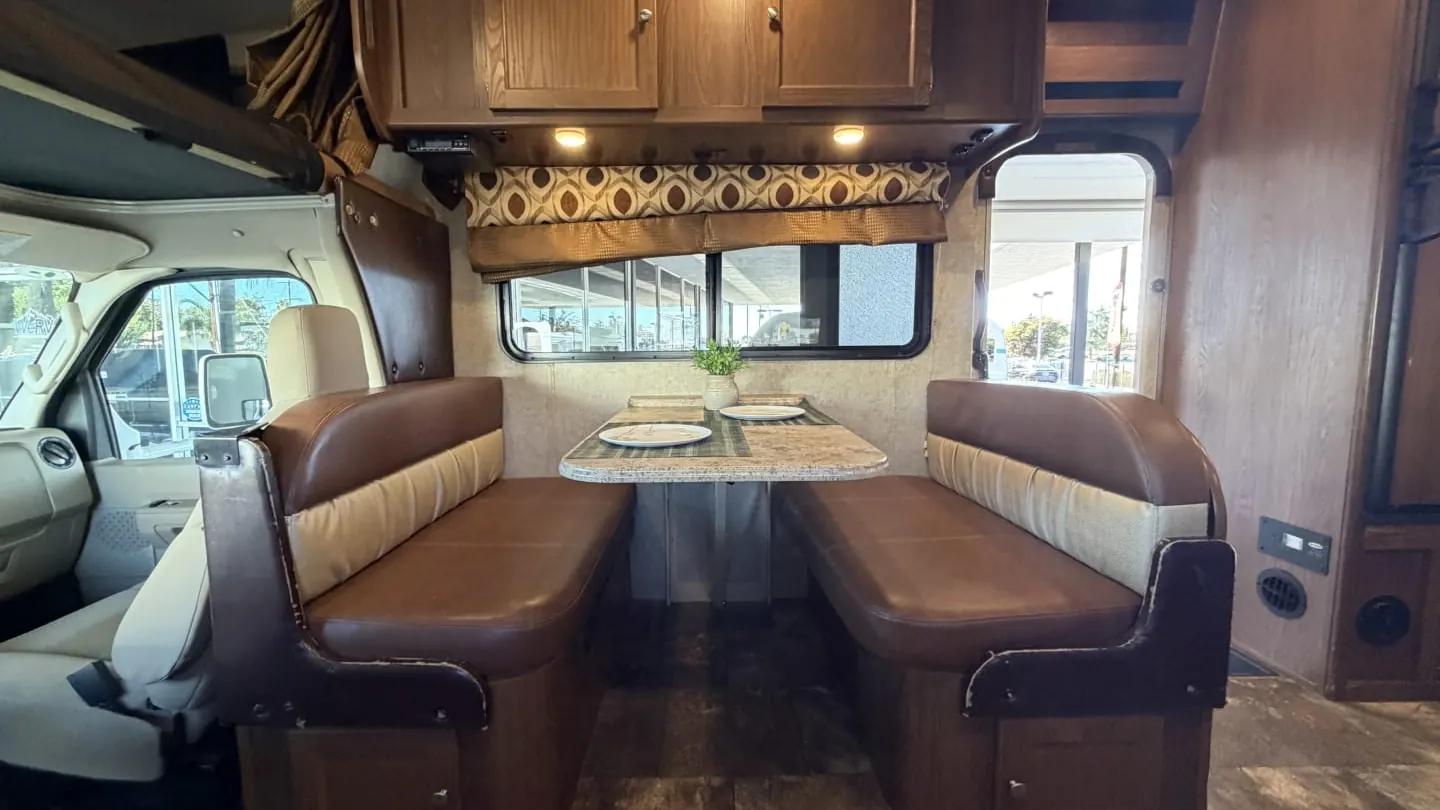
Your website has one job. It turns a visitor into a booking, or at least an inquiry, without a phone call. That takes live availability, clear pricing (nightly rate, miles, generator, deposit, fees), real photos, the floor plan and specs for each unit, and a way to book and pay. A beautiful site that says "call for availability" loses renters to the listing that lets them book at 11 p.m. What an RV rental website needs to take bookings has the full checklist.
Step 5: Answer fast, every time
An inquiry is a renter who has already done the hard part of finding you. Many renters contact several fleets at once, and the first solid answer often wins. When you are on a pickup with your hands full, a missed call can easily become a booking with someone else. Set a response-time target and measure it. An automatic text back when you miss a call keeps the conversation going until you can reply properly. What missed calls cost an RV rental business explains how to set that up. RV Shop Desk's two-way texting includes missed-call text back if you would rather not stitch it together yourself.
Step 6: Use marketplaces on purpose
Peer-to-peer rental marketplaces bring renters you would not reach otherwise. That matters when your reviews and search presence are thin. They also take a real share of each booking and control the renter relationship. Decide what role they play. A common approach is to list on marketplaces early to fill the calendar and collect reviews. As your own demand grows, you shift more of your units to direct bookings and use marketplaces mainly to fill gaps. Balancing rental marketplaces and direct bookings covers the math.
Step 7: Turn renters into repeat renters
Your cheapest booking comes from someone who already rented from you and had a good trip. Keep a list of past renters (with their consent to be contacted) and reach out:
- A thank-you after the trip, with the review request
- A "book next year's trip early" message at the end of the season
- An off-season note with open winter dates or shoulder-season rates
- A heads-up when you add a new unit
Keep these short and useful. Four or five messages a year is plenty. Past renters are also your best source of referrals, so make it easy for them to send a friend your way.
Step 8: Local partnerships
Campgrounds, event organizers, wedding venues and outdoor retailers near you all talk to people who might need an RV. A simple deal can bring steady bookings. You deliver to their campground, and they mention you to guests. Start with two or three relationships you can actually keep up, not a long list you forget about.
A season calendar
Marketing for a rental fleet runs on the seasons. Here is an example timeline for a fleet with a summer peak. Shift it to fit your climate.
| When | Focus |
|---|---|
| Late fall | Review last season's bookings by source, update photos, fix the website, ask past renters to book early |
| Winter | Publish next season's rates and availability, refresh listings, build partnerships, promote winter trips if you run them |
| Early spring | Peak planning window for summer trips: fast inquiry response, profile posts, marketplace listings fully live |
| Summer | Review requests after every trip, fill gaps with last-minute offers, keep response times tight |
| Early fall | Push shoulder-season trips, event bookings and the end-of-season renter message |
The off-season is when you have time for the slow work. The RV rental off-season guide has more on winter bookings.
The weekly routine
Big plans fail because nobody keeps them up in July. A small routine you actually do beats a big one you drop. For example, a two-hour weekly block:
- Reply to every open review and profile question (15 minutes)
- Post one update to your Google profile with a real photo (10 minutes)
- Check the calendar for gaps in the next 30 days and decide whether to offer a rate or promote them (20 minutes)
- Send review requests for any trips that ended without one (10 minutes)
- Look at where last week's bookings came from (15 minutes)
- Follow up on any inquiry that did not book (20 minutes)
- One improvement to the website or a listing (30 minutes)
Measure where bookings come from
Ask every renter how they found you, and record it on the booking. After a season you will know whether search, reviews, marketplaces, repeat renters or partners actually drive your revenue. Then you can decide whether paid ads are worth testing, and you will have a baseline to judge them against. Tie marketing spend to profit per unit in your books so you measure profit, not just bookings.
If you would rather hand off the pieces that eat your time, RV Shop Desk's website and marketing includes a hosted website, a managed Google profile, review requests after each trip, a network listing and missed-call text back as part of the plan.
Keep it simple and keep it going
A small fleet wins by being found, being trusted and being easy to book, and by doing that all season long. Start with your Google profile and your review habit, because they build on themselves. Then make sure your website takes bookings without a phone call. When those are running, revisit the balance between marketplaces and direct bookings. Once demand outruns your units, work through the math on when to add another RV.
Questions owners ask
How much should a small RV rental business spend on marketing?
There is no single right number. Start with the free and low-cost basics, like your Google profile, reviews, a booking website and outreach to past renters. Spend on ads only once you can track which bookings they bring in.
What is the best way to market an RV rental business locally?
Be easy to find in local search with a complete Google Business Profile and a steady flow of reviews. Answer every inquiry fast, and build ties with nearby campgrounds and event organizers.
Should a new RV rental business list on rental marketplaces?
Marketplaces can fill your calendar while you build direct demand, but they take a share of each booking. Many owners use them early and shift toward direct bookings as their reviews and repeat renters grow.
When should I start marketing for the RV rental season?
Many renters plan summer trips months ahead. Build your listings, reviews and website in the off-season, and have them ready before the spring booking rush.