When a Rental RV Breaks Down Mid-Trip: A Playbook
Put safety first, sort the problem into a triage bucket, then choose between a repair, a swap or ending the trip with the renter. Settle refunds in writing the same day. How you handle the first hour decides whether you lose a customer or earn a loyal one.
By the RV Shop Desk team · · 8 min read
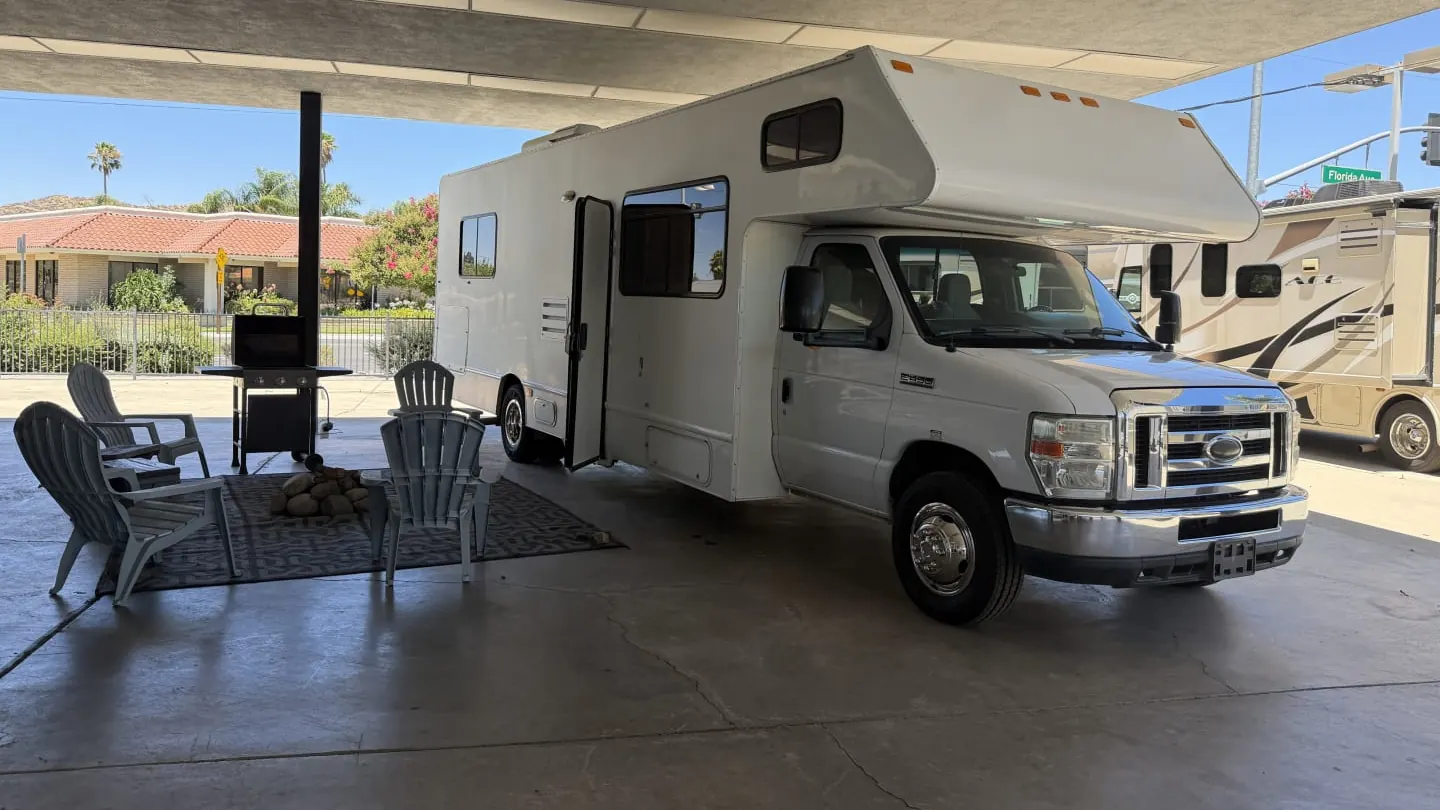
The call usually comes at the worst time. It is Friday evening, three hours from your yard, and the renter has kids in the back and a campsite reservation they are about to miss. A rental RV breaking down mid-trip is not a question of if but when. Engines overheat, slides stick, tires blow, and fridges quit in 95-degree heat. The owners who come out of these calls with a good review do not have perfect fleets. They have a plan written down before the phone rang. This is that plan.
Before anything breaks: set up the playbook
Most of the work of handling a breakdown happens months before it. If you are figuring out who to call while the renter waits on the shoulder, you have already lost an hour.
Build your contact sheet
For every area your renters often travel, keep a short list of mobile RV techs, tow companies that can handle your largest unit, tire shops and chassis service centers. Call them ahead of time. Ask if they work on RVs, what size units they can tow, and if they will take payment from a third party (you) over the phone. A tow company with only a light-duty truck is useless for a 32-foot Class A.
Know your coverage
Find out exactly what your insurance policy and any roadside plan cover for a rental unit. Check towing distance limits, whether they cover commercial rental use, and how the renter should contact them. Some personal roadside plans do not apply to rental use. Confirm all of this with your insurance agent. The questions to ask before your first renter include this one.
Write the breakdown clause
Your agreement should say what happens if the unit becomes unusable. Spell out who authorizes repairs, how refunds or credits are figured, what the renter must not do (such as paying for major repairs without approval), and what happens if misuse caused the breakdown. Our guide to what belongs in an RV rental agreement covers this clause along with the rest. Have an attorney review it, since rules vary by state.
Tell renters at pickup
During the 30-minute renter orientation, show them the breakdown card. It lists your after-hours number, what to do first and what not to do. Put the same card in the glovebox and on the fridge.
The first ten minutes of the call
When the call comes in, your job is to calm things down, get the facts and figure out how bad it is. Follow the same order every time.
- Safety first. Are they off the road? Is anyone hurt? Is there smoke, a fuel smell or a propane smell? If yes to any of those, they call emergency services before anything else, and you call them back.
- Location. Get the exact spot, such as the nearest town, highway and mile marker, or a pin dropped from their phone.
- Photos and video. Ask them to text a short video of the problem, like the dash lights, the noise, the stuck slide or the flat tire. A 20-second video often tells you more than ten minutes of description. Two-way texting makes this far easier than a phone call alone.
- What they did. Ask what happened right before. "I hit a curb" and "it just started beeping" call for different next steps.
- Their plans. Where were they headed, and when? A renter one night into a week-long trip needs something different from one heading home tomorrow.
Answer the breakdown line live, every time, including nights and weekends. If you truly cannot, have missed calls trigger an instant text back with the first safety steps and a promise of a call within a set time. A renter who hears nothing will start making their own decisions, and those are usually expensive.
Triage: sort the problem into one of four buckets
Almost every breakdown call falls into one of these, and each has a different path.
1. Fixable over the phone
A good share of calls end right here. The generator will not start because the fuel is below the generator's pickup level. The slide will not move because the house battery is low or the parking brake is off. The furnace will not light because the propane tank valve is closed. The water pump runs nonstop because the fresh tank is empty. Keep a one-page troubleshooting sheet for each model in your fleet so whoever answers the phone can walk through the common fixes. Many of these calls point to gaps in your orientation, so make a note for next time.
2. Fixable on site
Think of a flat tire, a stuck slide that needs a manual override, or a loose water fitting. Send a mobile tech or tire service. Approve the estimate yourself, pay the vendor directly if you can, and keep the renter out of the payment talk.
3. Drivable but degraded
The air conditioner quit, the fridge is not cooling, or the awning is damaged. The unit is safe to drive, but the trip is worse. Decide with the renter whether to repair nearby, continue with a credit, or come back early. Offer choices, not a verdict.
4. Not drivable or not livable
This means engine or transmission failure, a major leak or serious damage. The trip as planned is over. Now you choose between a tow and repair, a swap to another unit, or ending the trip with a refund.
Repair, swap or end the trip
For bucket four, work through three questions fast.
How long is the repair? If a shop can fix it the same or next day, putting the renters in a nearby hotel for a night and covering it may be the cheapest good outcome. If the shop is backed up for a week, stop waiting.
Do you have a unit to swap? If a comparable unit is open and you can get it there, a swap saves the trip. Count the driving time for you or a staff member, the fuel, and the second person who has to follow and drive back. On a multi-day trip, a swap is often worth it even if it eats half a day.
What does the renter want? Some families just want to go home. Others will happily take a hotel night and continue. Ask.
Here is an example to show the thinking. Say a renter is on night two of a seven-night trip at $225 a night when the engine fails 150 miles away. Refunding the last five nights costs $1,125 in lost revenue plus the tow. A swap costs a day of staff time, fuel both ways and maybe one hotel night, but it keeps the booking and likely earns a good review. For a family mid-vacation, the swap usually wins. For a renter heading home the next morning anyway, a partial refund and a ride may be kinder and cheaper.
Money: refunds, credits and reimbursements
Be generous and consistent. Decide your standard approach in advance so you are not bargaining from scratch on the phone.
- Unusable nights: refund or credit nights the unit could not be used through no fault of the renter.
- Degraded nights: offer a partial credit when a major system (air conditioning in summer, heat in winter, the fridge) failed but the trip went on.
- Pre-approved costs: pay back hotel nights, campsite cancellation fees or rides that you approved. Ask for receipts.
- Unapproved repairs: your agreement should say you are not bound to pay for work you did not approve. In practice, if the repair was reasonable and truly needed, paying it is often the better business call. Use judgment.
- Renter-caused damage: if the breakdown came from misuse (backing into a post, driving with a slide out, overfilling the black tank), document it carefully and handle it through your deposit and damage process. Our guide on deposits and damage claims without the fights shows how to do that without souring the relationship.
Whatever you decide, put it in writing to the renter the same day. Say what happened, what you are refunding or crediting, and what (if anything) is still under review. Vague promises made on the shoulder of a highway turn into disputes a week later.
Document everything while it is fresh
A breakdown creates records you will need later for insurance claims, warranty claims, damage disputes and your own maintenance decisions. Keep them together in the unit's file.
- The renter's photos and video, with timestamps.
- Your call and text log.
- Tow and repair invoices.
- Any refund or credit you issued and why.
- The pickup walk-around photos, which show the unit's condition before the trip. This is why a thorough walk-around photo checklist matters so much.
After the unit is home: the post-mortem
Once the dust settles, spend fifteen minutes on one question. Could we have caught this? Look at the unit's maintenance log. Was the tire old? Had the generator missed an oil change? Did the last turnover note a hesitating slide that nobody followed up on? Most breakdowns leave clues. Feed what you learn back into your preventive maintenance schedule. If one model keeps failing the same way, let that shape your next fleet buying decision.
Then check your calendar. The unit may be out of service for days or weeks, and upcoming renters need to hear from you now, not the morning of pickup. Offer a comparable unit, a date change or a full refund.
Turning a bad day into a good review
Renters do not expect a machine to be perfect. They expect you to answer the phone, take the problem seriously, and make it right without a fight. Small touches go a long way, like a follow-up call after the trip, a credit toward a future rental, or a handwritten note in the swapped unit. Some of your best reviews can come from trips that went wrong and were handled well, so do not skip the review request just because the trip had a problem. Our guide on getting a review after every trip covers timing and wording.
If you use RV Shop Desk, two-way texting with renters keeps the photos, videos and instructions from a breakdown in one thread per booking. Missed-call text back means a renter who calls after hours gets an instant reply instead of silence.
A plan you write once and use for years
Write the playbook on a slow afternoon. Include the contact sheet, the triage buckets, your standard refund approach and the troubleshooting sheet for each model. Print it, keep a copy in the office and one on your phone, and walk every new staff member through it. Pair it with a strong maintenance routine and a clear orientation, and the calls will come less often. When they do come, you will already know what to say. For the other side of keeping units on the road, see how turnover systems checks catch small problems before the next renter drives away.
Questions owners ask
Do I have to refund a renter if the RV breaks down?
It depends on your rental agreement and on what is fair for the situation. Many operators refund or credit the nights the unit was unusable and cover reasonable costs they approved in advance. Have your attorney review the breakdown clause in your agreement, since rules vary by state.
Who pays for a tow when a rental RV breaks down?
Usually the owner, unless renter misuse or an accident caused the breakdown. Check what roadside assistance your insurance or a separate plan includes, and confirm with your insurance agent before your first rental.
Should renters be allowed to get repairs done themselves?
Only with your approval before any work starts, a written estimate you have seen, and a clear agreement about who pays. Unapproved repairs are a common source of disputes after a breakdown.
What should a renter do first when a rental RV breaks down?
Get to a safe spot off the road, turn on the hazards, place warning triangles, and make sure everyone is safe. Then call your breakdown line and send photos or a short video of the problem.
- What Belongs in an RV Rental Agreement
- Security Deposits and Damage Claims Without the Fights
- The Pickup and Return Walk-Around: A Photo Checklist
- Turning Over an RV Between Renters: Cleaning and Systems Checklist
- The 30-Minute Renter Orientation That Prevents 2 a.m. Calls
- Running the Booking Calendar: Buffers, Minimum Nights and Holds