Financing RVs for a Rental Business
You can finance RVs for a rental business, but the loan has to allow rental use and the payment has to fit what the unit earns in slow months. Read the contract, ask the lender in writing, and run the unit's math before you sign.
By the RV Shop Desk team · · 7 min read
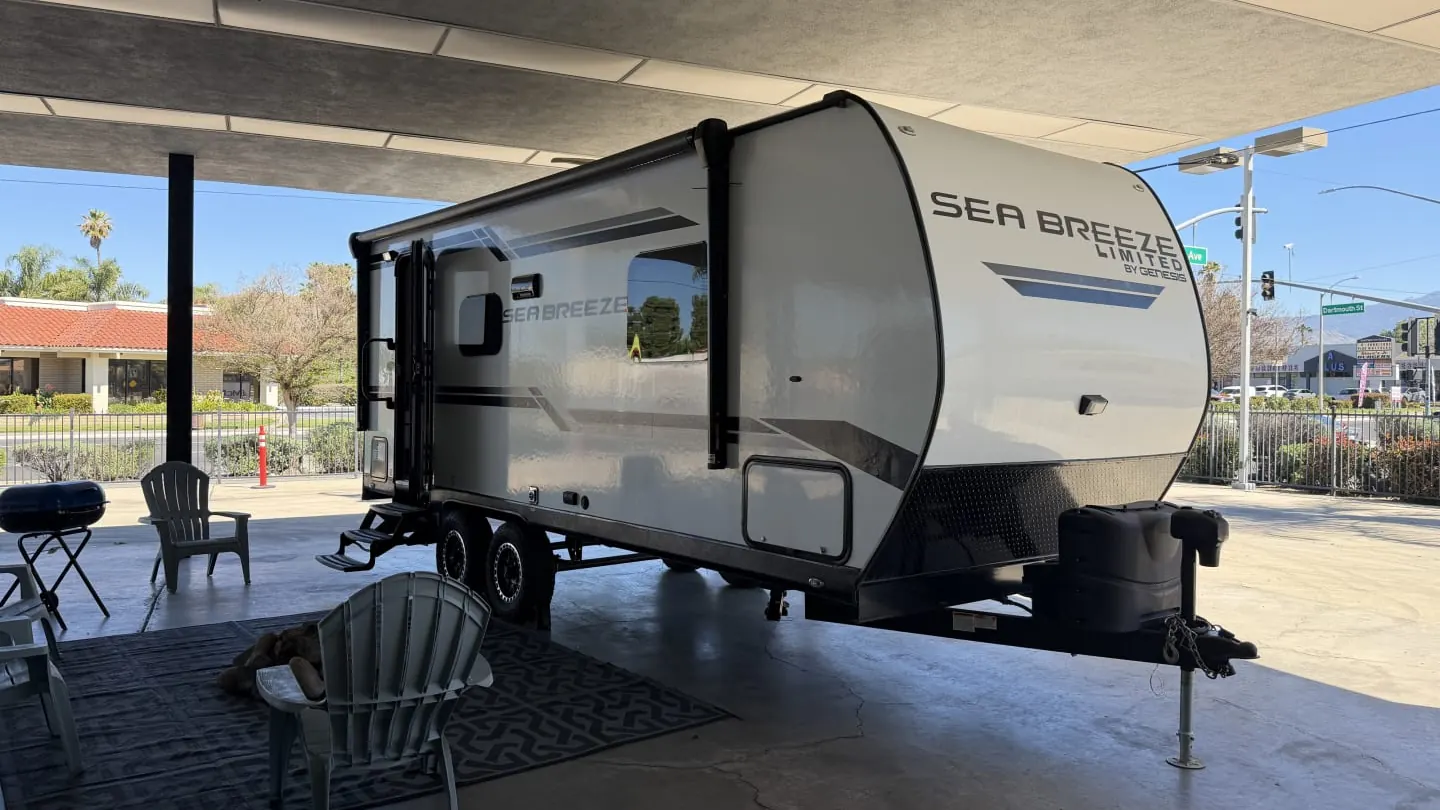
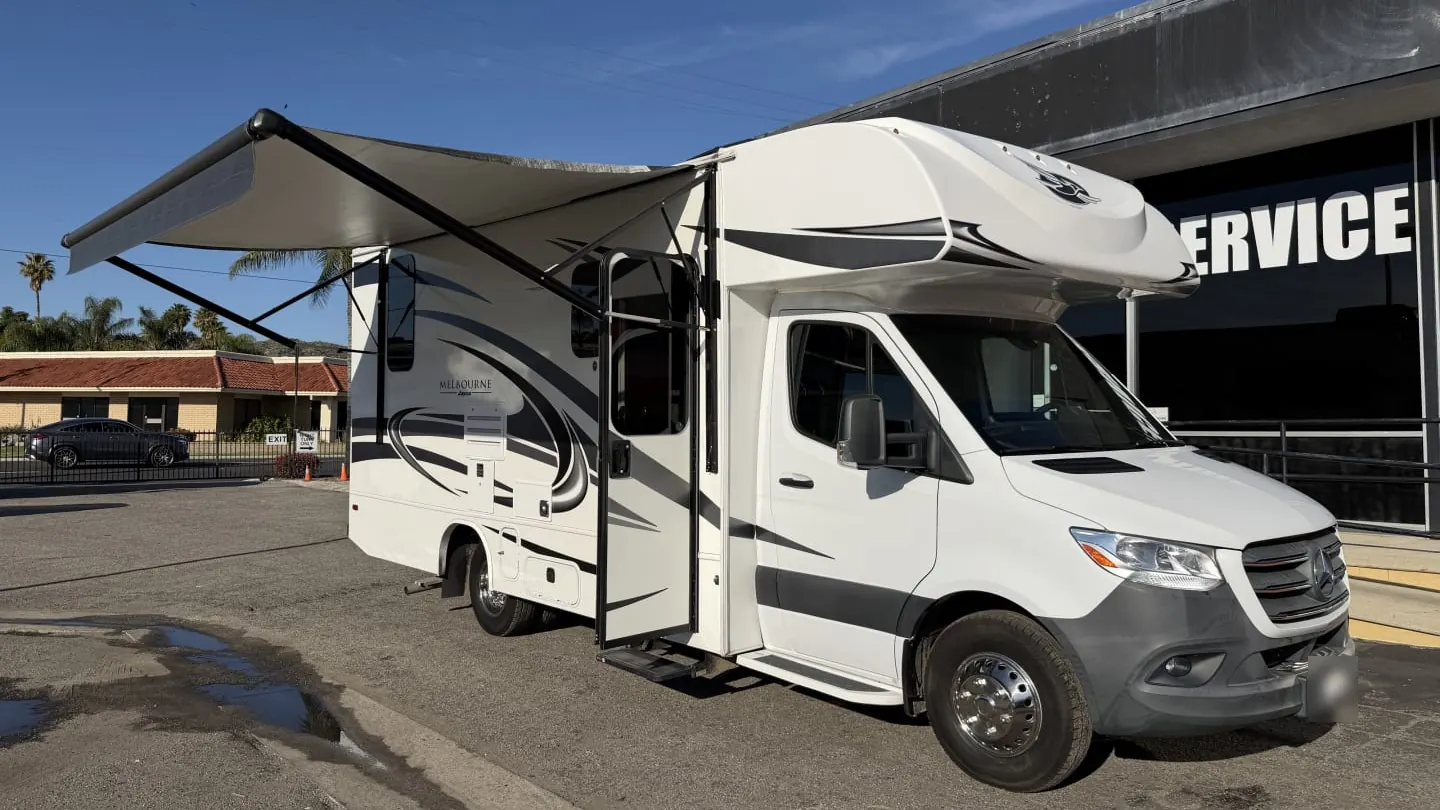 Real rental fleet photo
In this guide
You can finance RVs for a rental business, and many owners do. The two things to get right are a loan that allows rental use and a payment the unit can cover in its slowest months.
Get either one wrong and a good rental unit becomes a problem. This guide covers cash versus a loan, the types of financing, what lenders want to see, and the questions to ask before you sign. Any rates or payments below are examples, not quotes. Your lender sets the real terms.
Cash or Financing?
Paying cash is simple. There is no payment, no interest and no lender rules about how you use the unit. Your break-even nights drop, because the payment is gone from your fixed costs. The catch is that cash tied up in one RV is cash you do not have for repairs, insurance or a slow winter.
Financing keeps cash in the bank and lets you start or grow sooner. The cost is interest, a monthly payment you owe in every season, and a contract with rules you have to follow.
A middle path works for many owners. They pay cash for the first unit, or put a large amount down, and finance later units once the first one has a track record. That way the lender sees real booking history, not just a plan.
Tip: Whichever way you pay, keep a cash reserve after the purchase. A few months of fixed costs plus money for one big repair is a common starting point. Running out of cash in February is how good units get sold at a loss.
Consumer RV Loans vs Business Financing
This is where new owners get caught. There are two broad kinds of financing, and they are not built for the same use.
Consumer RV Loans
A consumer RV loan is made to a person who plans to use the RV for their own trips. It is often the easiest loan to get, and it is what most dealers offer first. The problem is that the contract may not allow you to rent the unit to others. Some contracts say so plainly. Others tie the loan to personal use in ways that are easy to miss.
If you rent out a unit that the loan says is for personal use, you may be breaking the contract. That can matter a great deal if there is a claim or you fall behind. Do not guess. Ask the lender in writing whether rental use is allowed, and read the contract before you sign. If the language is unclear, have an attorney read it.
Business and Equipment Financing
Business loans and equipment financing are made to a business for an asset it will use to earn money. Rental use is the point, not a problem. These loans may ask for more paperwork. Many want a business entity, a plan and a personal guarantee from the owner. Terms, down payments and rates vary widely, so compare more than one offer.
Some owners also use a line of credit or a loan against other property. Those can work, but they put more than the RV at risk. Talk it through with your accountant before you go that way.
What Lenders Look For
A lender wants to know the loan will be paid back. For a rental unit, that means showing both you and the unit can carry it.
- A written plan: who rents from you, where trips start, how you will find renters and what you charge. Your RV rental business plan is the core of the loan request.
- Unit math: booked nights, average rate, costs and break-even nights for this unit. Walk through it with the steps in is an RV rental business profitable.
- Credit: your personal credit matters, especially for a new business. Pull your report before you apply so nothing surprises you.
- Down payment: more money down lowers the lender's risk and your payment.
- Proof of insurance: most lenders want rental coverage in place before they fund. See what to ask your insurance agent.
- Business records: an entity, a business bank account and clean books. If you already rent, show booked nights and income per unit.
Licenses and tax registration may also come up. The guide on business licenses and taxes for RV rentals lists what to ask your city, county and accountant.
Used or New for a Rental Unit
New units come with warranties and fewer surprises. They also lose value fastest in the first few years, and the payment is higher. Renters like a clean, modern interior, but most will not pay much more for a brand new unit over a clean three-year-old one.
Used units cost less and lose value more slowly. The risk is hidden problems. Get a full inspection before you buy, check the roof, seals and tires, and look up open recalls. Some lenders limit how old a unit can be, so ask before you shop. The guide on choosing RVs for a rental fleet covers which classes hold up best under renter use.
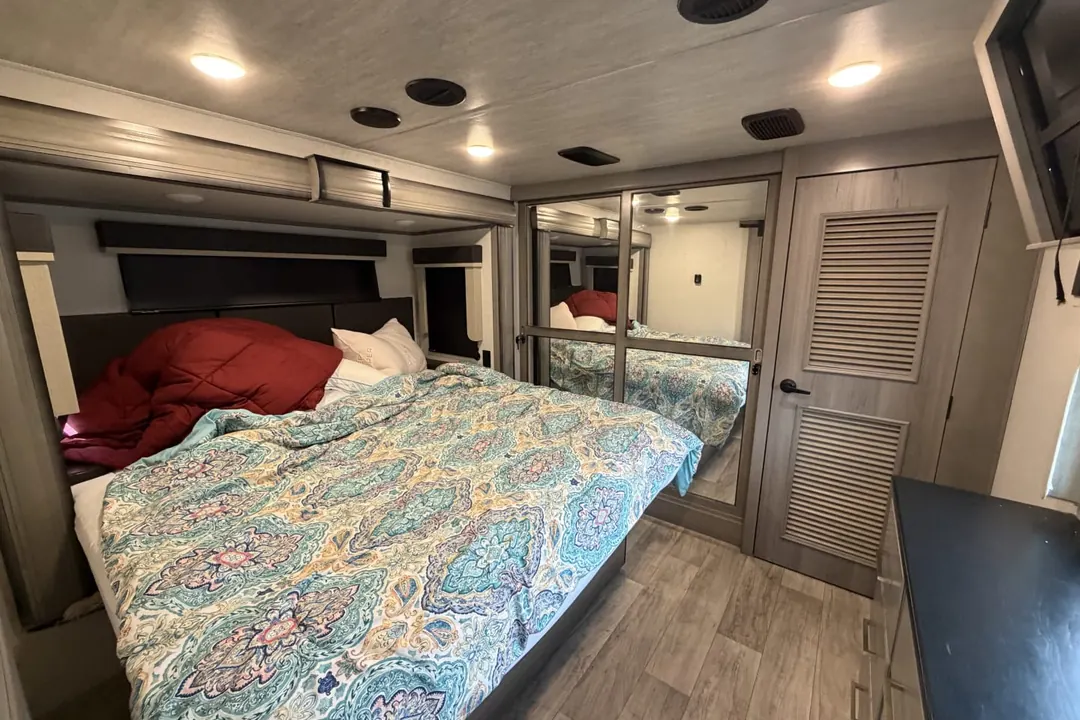
Match the Loan Term to the Rental Life
A longer loan means a lower payment. It also means more interest and a longer time owing money on a unit that is aging. The goal is to pay the unit off while it still rents well.
Here is an example. Say you borrow $50,000 at an example rate of 8 percent. This is an example only, not a quote.
| Example term | Example monthly payment | Example total interest |
|---|---|---|
| 5 years | About $1,014 | About $10,800 |
| 7 years | About $779 | About $15,500 |
| 10 years | About $607 | About $22,800 |
The 10-year loan has the easiest payment. But ask yourself how many years this unit will rent well. Renters notice worn floors, dated fabric and tired appliances. If the unit will be ready to sell in six or seven years, a 10-year loan may leave you owing more than it is worth when you want out.
Keep the Payment Below Slow-Month Earnings
Most lenders look at the year. You should also look at the worst month. July will cover almost any payment. October and February are the test.
Say a unit keeps about $147 per booked night after per-trip costs, and books 8 nights in October. That month brings in about $1,176. In the example above, the 5-year payment of $1,014 leaves little room once insurance and storage are paid. The 10-year payment of $607 fits with room to spare.
In months with zero bookings, the payment comes from your reserve. Add up the payment, insurance and storage for every month you expect to be slow. That total is the minimum you need saved from the busy season. The off-season guide covers ways to earn something in those months.
Questions to Ask Any Lender
Ask these before you sign, and get the answers in writing.
- Does this loan allow me to rent the unit to others? Where does the contract say so?
- Is this a consumer loan or a business loan?
- What is the rate, and is it fixed or can it change?
- What fees are due at closing and over the life of the loan?
- Is there a penalty for paying the loan off early?
- Do you need a personal guarantee?
- What insurance do you require, and do you need to be named on the policy?
- Is there a limit on the age, mileage or type of unit?
- What happens if I miss a payment, and is there any grace period?
- Can I skip or lower payments in the off-season?
Compare at least two offers side by side. Look at the total cost over the time you plan to own the unit, not just the monthly payment.
Mistakes to Avoid
- Signing a consumer loan without asking: finding out the loan does not allow rental use after a claim is the worst time to learn it.
- Stretching the term to make a unit fit: if the payment only works at 12 years, the unit may cost too much for your market.
- Putting every dollar into the down payment: a lower payment does not help if you cannot afford the first big repair.
- Buying before insurance is quoted: the coverage cost can change the whole math.
- Adding units on one good season: see when to add another RV before you take on a second payment.
Know the Numbers Before You Talk to a Lender
The easiest loan conversation is one where you already know your numbers. Know your booked nights, what each unit keeps per night, and your break-even. If you are still at the start, the guides on startup costs and starting with one RV help you build them. Clean bookkeeping by unit gives you the records a lender asks for.
RV Shop Desk keeps bookings, the fleet calendar, invoices and card payments for each rig in one record. Accounting is built in, so you can show income and costs per unit when a lender asks. It costs $9 per rental unit a month with a five-unit minimum, and smaller fleets can email [email protected]. See the RV rental software page for the details.
Finance a rental RV the same way you would run one. Know the math, read the contract, and keep enough cash behind it to get through the slow months.
Questions owners ask
Can I use a regular RV loan for a rental RV?
Maybe not. Many consumer RV loans are written for personal use, and renting the unit out may break the terms. Ask the lender in writing before you sign, and have an attorney read the contract if you are not sure.
How much down payment do I need for a rental RV?
It depends on the lender, your credit, the unit and whether the business has a track record. A larger down payment lowers the payment and can make approval easier. Ask each lender what they require for rental use.
Can a new business get financing for RVs?
Some lenders will lend to a new business, often with a personal guarantee, a larger down payment or a shorter term. A written plan with real unit math makes the ask much stronger. Expect more questions than an established business would get.
Is it better to lease or buy a rental RV?
A lease can lower the monthly cost, but check the mileage limits, wear rules and whether rental use is allowed at all. Buying gives you full control and the value at the end. Compare the total cost over the time you plan to rent the unit.
Do I need insurance before a lender will fund the loan?
Most lenders want proof of coverage before they release the money, and they often want to be named on the policy. Get your rental insurance quote early so it does not hold up the closing.